Oakland City Council Advances Pay Raises for Police
Oakland City Council members voted Tuesday to advance a proposal that would give hefty raises and bonuses to police officers, despite some residents’ concerns about skyrocketing expenses amid a budget deficit.
The tentative deal negotiated by the police union and city staff, announced last month, would increase base wages by 14% over five years and offer longevity premium pay aimed at retaining and attracting qualified personnel to the understaffed department. The City Council plans to give the proposed salary changes a second reading on Oct. 6, a required step before the ordinance can take effect.
City staffers praised the development as a compromise, with officers agreeing to pay more for their pension and healthcare costs. The city currently covers 100% of healthcare premiums for police rank-and-file as well as managers. Under the agreement, Oakland Police Officers’ Association members would contribute 10% to their employee healthcare by 2030 and an additional 3% to their pension later that year.
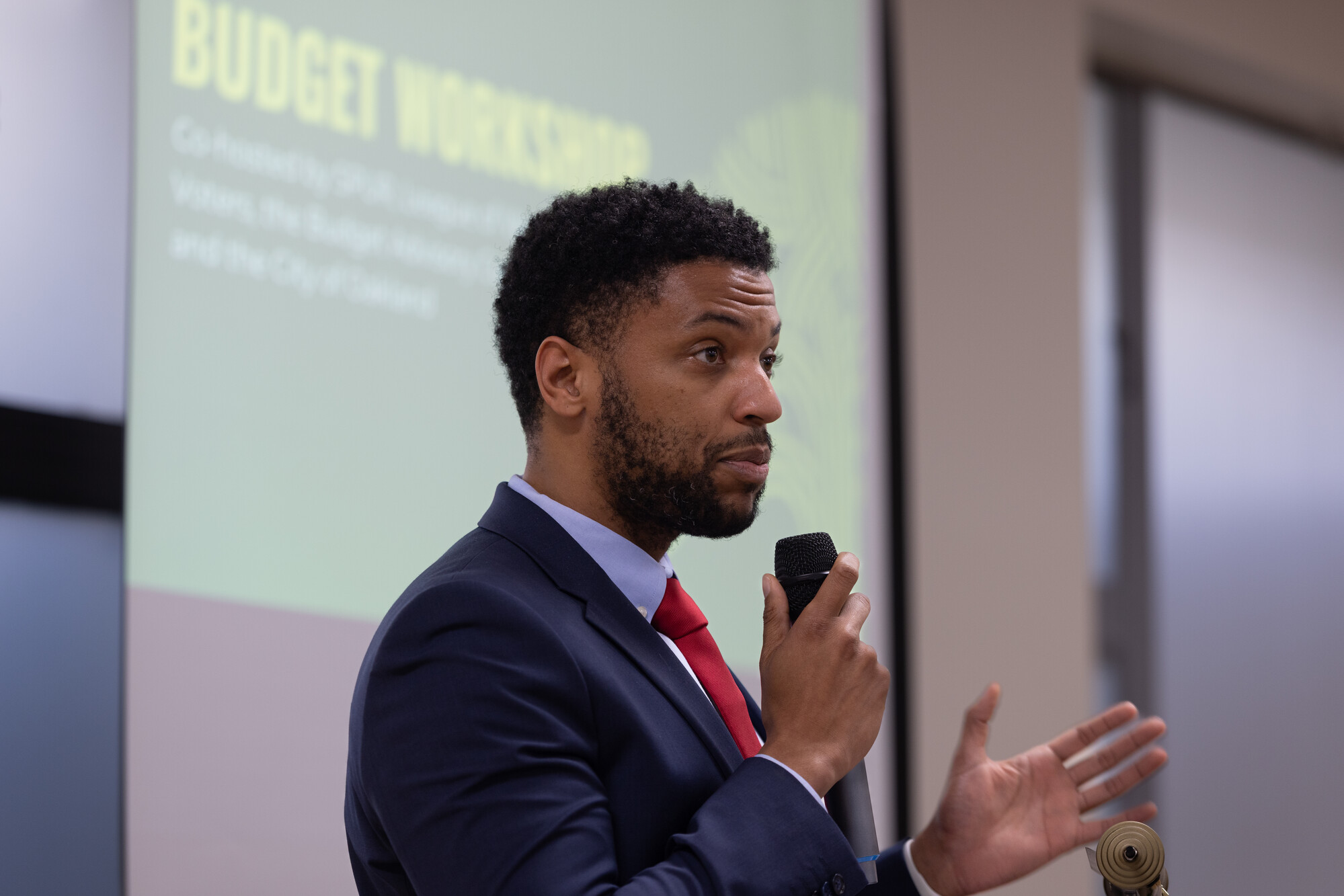
“These agreements strike an important balance between supporting officer retention, improving public safety and protecting the city’s long-term financial stability,” City Council President Kevin Jenkins said in a statement before the vote. “These contracts help the city remain competitive while recognizing the service of the officers who serve our community every day.”

But residents who packed the council’s chambers on Tuesday voiced concerns that the deal’s total cost would overprioritize police over other needed services like trash pickup and fixing potholes, and leave fewer funds for lower-paid city employees who are still negotiating labor contracts.
In a nod to concerns that police-overtime spending has often gone over budget by millions of dollars in recent years, employees would need written agreement from the police chief or his designee to earn compensatory time off when working overtime. But many Oaklanders said greater controls are needed.
“We got to make sure we are doing what’s best for the city,” said John Jones III, a longtime community activist, after noting that dozens of officers made more than $200,000 in overtime alone in 2024. “I know what’s best for my soon-to-be-12-year-old son, and it is not just throwing tons of money at OPD because there are other needs that our children need as well in this city. Please hold them accountable on this.”
Some councilmembers questioned city staff on the long-term costs of longevity premium pay and whether the overtime pay process had been corrected. The directors for human resources, Mary Hao, and the finance department, Bradley Johnson, responded that the police department has recently decreased overtime costs, while the incentives to retain officers would be largely covered by employees contributing more to healthcare and pensions benefits.

“The additional savings the city has regarding those benefit costs more than offset the additional increases, leading to a total package that, over the course of the five years, is affordable within a reasonable estimation of the city’s budget,” Johnson said.
Councilmember Carrol Fife asked why the tentative agreement also includes a clause that would allow police officers to benefit from even-higher-percentage raises in the future if other employee unions negotiate them for their members.
“I just disagree,” said Fife, whose district includes West Oakland and downtown. “This feels like apples and oranges, because some of our highest-paid staff are in the Oakland Police Department. So how do we compare that with someone in SEIU who is working at a library that’s a temporary part-time worker?”
In the end, councilmembers voted 7 to 1 to move the proposal forward, with Fife casting the lone dissenting vote. The move comes after San Francisco and its police union earlier this year agreed to give officers a 14% pay increase over four years.
A city study by the Office of the Inspector General shows the department is 370 officers short of what it needs to be fully staffed. Out of 603 sworn officers, only 507 are available to work on any given day, according to the Oakland Police Officers’ Association.
“We want police officers to stay in the city, to serve,” said Sgt. Huy Nguyen, the union president. “This is a significant time for our officers to see that there is a structure of support from our city government that appreciates the men and women of this agency who go out there and provide service to our community at a very challenging time.”
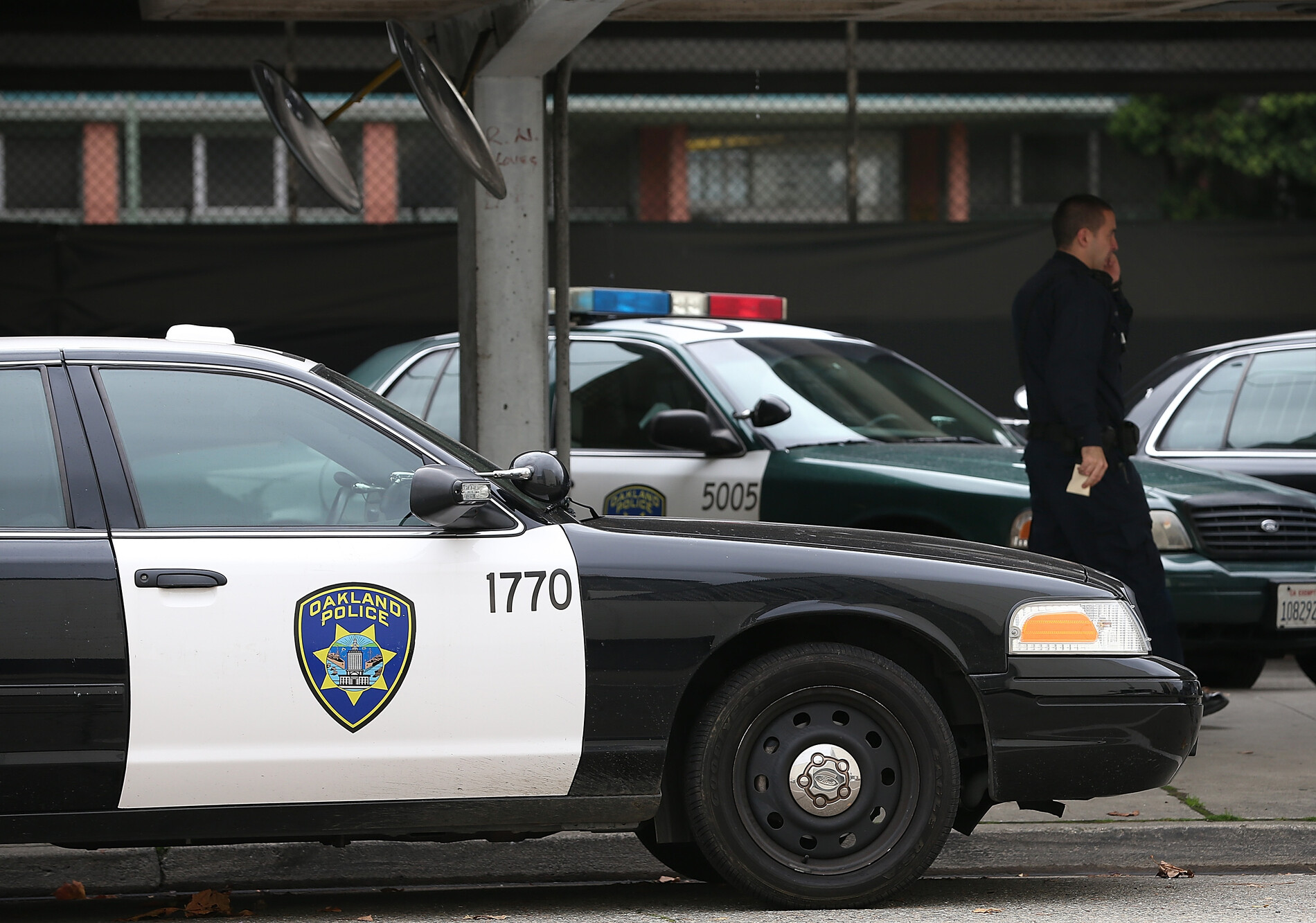
Nguyen said that officers recognize the city is in a financial crisis and made concessions on benefits to which other city employee unions have not agreed. He acknowledged that the proposed longevity premium pay — which was previously paid as a lump sum — would be added to salary, with compounding impacts for raises and pensions. Those premiums would reach up to 15% of base wages for those with 20 or more years of service.
At a time when police departments nationwide are struggling to recruit officers, Nguyen said the pay incentives are crucial to ensure the department can respond in a timely way to 911 calls.
“Our community members deserve better. They deserve a responsive police department, meaning an adequately staffed police department where, when they call, that police officer will show up, versus waiting for hours or even days until a police officer shows up,” he said.
City staffers estimated the recent labor agreement would cost an additional $88.9 million in wages and premiums over five years, after savings in benefit costs.
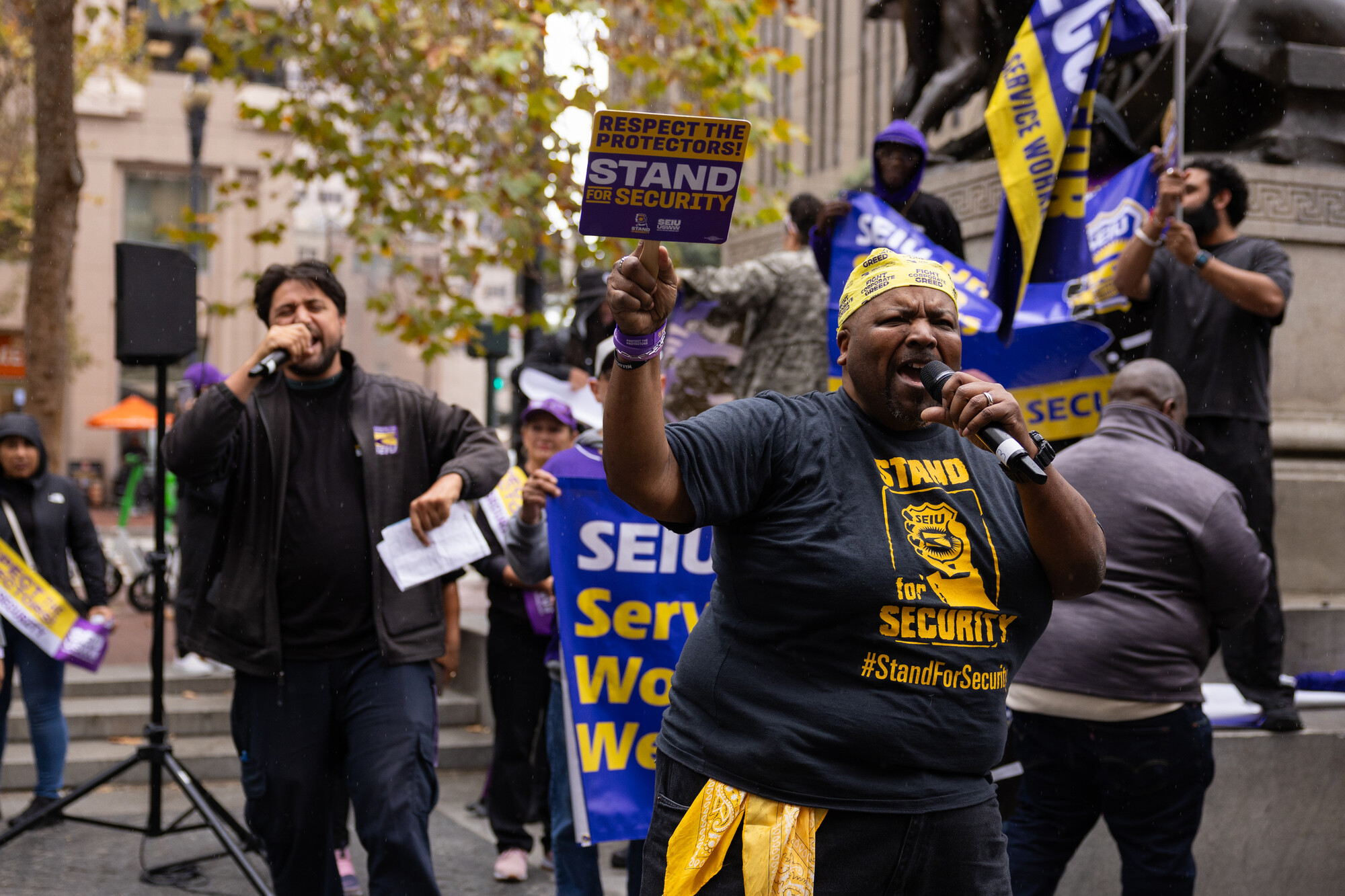
Anne Janks, an advocate with the Coalition for Police Accountability, said she is disappointed that the public has not had a real chance to weigh in on the tentative deal or get more information about it. She doubted the city’s cost estimate factored in pay for nonunion officers and pension costs, which if true means the total could be higher.
“This contract as proposed, it’s going to be a major, major hit on our budget,” said Janks, an Oakland resident for more than 25 years. “The question is, is it going to accomplish what they are proposing? That it’s gonna do retention? Let’s have a really open discussion about how much it’s actually gonna cost.”
Policing is Oakland’s most expensive city service, with a $410.6 million budget this fiscal year. The tentative labor agreement comes as the city faces annual budget shortfalls of about $120 million until 2030, and increased scrutiny over its police-overtime spending.
Oaklandside reported earlier this year that a single lieutenant was paid more than $490,000 in overtime in 2024.
“The cops are already well paid — the overtime is ridiculous — there wasn’t a transparent process. And the other piece of this is they have 45 officers sitting at home pulling a paycheck for months because they are waiting for disciplinary hearings,” said Jose Dorado, a former Oakland police commissioner from 2017 through 2021. “We need better management, better deployment.”
Oakland police officers receive base pay ranging between about $106,000 to $148,000 per year, plus additional pay incentives, according to a department recruiting website. That’s above what some officers in the state make but in line with what police in other Bay Area cities earn. The mean annual wage for police and sheriff’s patrol officers in California is about $112,000, according to the U.S. Bureau of Labor Statistics.