Report Sections
2025 was a year that tested KQED and our communities in unprecedented ways. We navigated an increasingly divided landscape while facing intense scrutiny and external pressures. Those challenges culminated in a worst-case scenario: the rescission of federal funding for local public media stations and the dissolution of the Corporation for Public Broadcasting, which had supported public media for nearly 60 years.
The sudden loss of funding impacted all of public media and resulted in cuts to local services across the country. In order to stabilize our finances, KQED also made painful budget cuts that included saying goodbye to talented colleagues. While we have had to bend, we will not break. This is a defining moment. Our community’s need for trustworthy information is more urgent than ever.
We are more than survivors, we are stewards of a public service and we are more committed than ever. This report reflects our unwavering dedication to informing, inspiring and involving our Bay Area communities. All our work is made possible by the extraordinary generosity of the supporters who carried us through one of the most challenging periods in KQED’s history.
Journalism is the heart of our service. You’ll find out how our immigration desk served as a watchdog across the state amid heightened detention and deportation efforts. Our reporting on vulnerable areas of low-income housing like mobile home parks empowered homeowners to organize against corporate landlords, and our science team’s coverage earned national attention and increased demand for more accessible climate solutions such as plug-in solar technology.
You’ll read about The Class, distributed nationally by KQED Presents, which follows a group of Antioch high school students as they navigate the uncertainty of the early pandemic and chase their dreams of graduation and college. You’ll learn why Snap Judgment earned prestigious accolades for the miniseries “A Tiny Plot,” which illuminates the story of an unhoused Oakland community seeking agency and stability. And, you’ll see how Check, Please! Bay Area has continued to lift the Bay Area’s restaurant industry in its 20th year.
Finally, KQED Education expanded the reach of our media literacy efforts by doubling nationwide participation in the Youth Media Challenge. Buoyed by foundation and donor support, our Education team sustained essential initiatives, including the Podcasting Democracy project, despite federal grant disruptions.
Looking ahead, our 2026–28 strategic plan centers firmly on the Bay Area and on the belief that a healthy democracy depends on informed and active participation. We aim to foster a shared sense of place by serving as an essential connector, providing trustworthy information, powerful storytelling and meaningful experiences that bring people together.
The road ahead will not be easy. Technological, political and economic forces continue to reshape the media landscape. With your support, we remain steadfast in our commitment to delivering the independent journalism and public service our communities need.
I am deeply proud of the dedication of my colleagues and the impact of their work. Our strength and resilience is grounded in your trust, faith and belief in our service. Thank you for standing with us as the force behind KQED.
With gratitude,
Michael J. Isip
President & CEO
KQED By the Numbers
Approximately 260,000 members make KQED one of the largest local membership organizations in Northern California. KQED reaches nearly 2.3 million people each week.
KQED FY25 STATS
120,543 average weekly podcast listeners
471,568 average weekly television viewers (KQED 9 and KQED Plus)
695,681 average weekly radio listeners (KQED 88.5 FM and KQEI 89.3 FM)
938,725 average engaged monthly website users
116,311 average weekly live radio streamers
126,874 average monthly PBS and PBS Kids video-on-demand streamers (through August 2025)
784,129 average weekly YouTube.com streamers
MOST-STREAMED ORIGINAL TELEVISION PROGRAMS
PBS News Hour
All Creatures Great and Small
Grantchester
NOVA
Miss Scarlet
The Marlow Murder Club
Unforgotten
Antiques Roadshow
MOST-LISTENED-TO RADIO SHOWS
Morning Edition
All Things Considered
Marketplace
PBS News Hour
The World
Here and Now
Forum
Fresh Air
MOST-READ STORIES
What to Know About ‘Daylighting’ Parking Laws in 2025 (and How to Avoid a Ticket)
Facility In California City Expected To Be State’s Largest Migrant Detention Center
COVID is Everywhere (Again) in the Bay Area. What to Know About the Latest XFG ‘Stratus’ Variant
Moo Deng, Viral Pygmy Hippo, Is No Longer a Source of Joy
Thousands of Mysterious Blue Creatures Wash Up on Bay Area Beaches After Warmer Winters
SOCIAL MEDIA POSTS WITH THE MOST ENGAGEMENT
Facebook: Anniversary of the “Orange Sky Day”
Twitter: Kate Folk Explores Her New Book “Sky Daddy”
Instagram: The Best Hot Chocolate in the Bay Area
TikTok: A Look Back at the Opening of Sutro Baths in 1896
In 2025, the Trump Administration swiftly made good on its promise to ramp up immigration enforcement by executing a vast increase in arrests and detentions across the country, and moving to reinterpret immigration laws and the birthright citizenship provision of the U.S. Constitution. In California and elsewhere, these actions spurred a strong counter resistance to the crackdown with widespread protests and attempts to stem the Administration’s plans in the courts and on the streets.
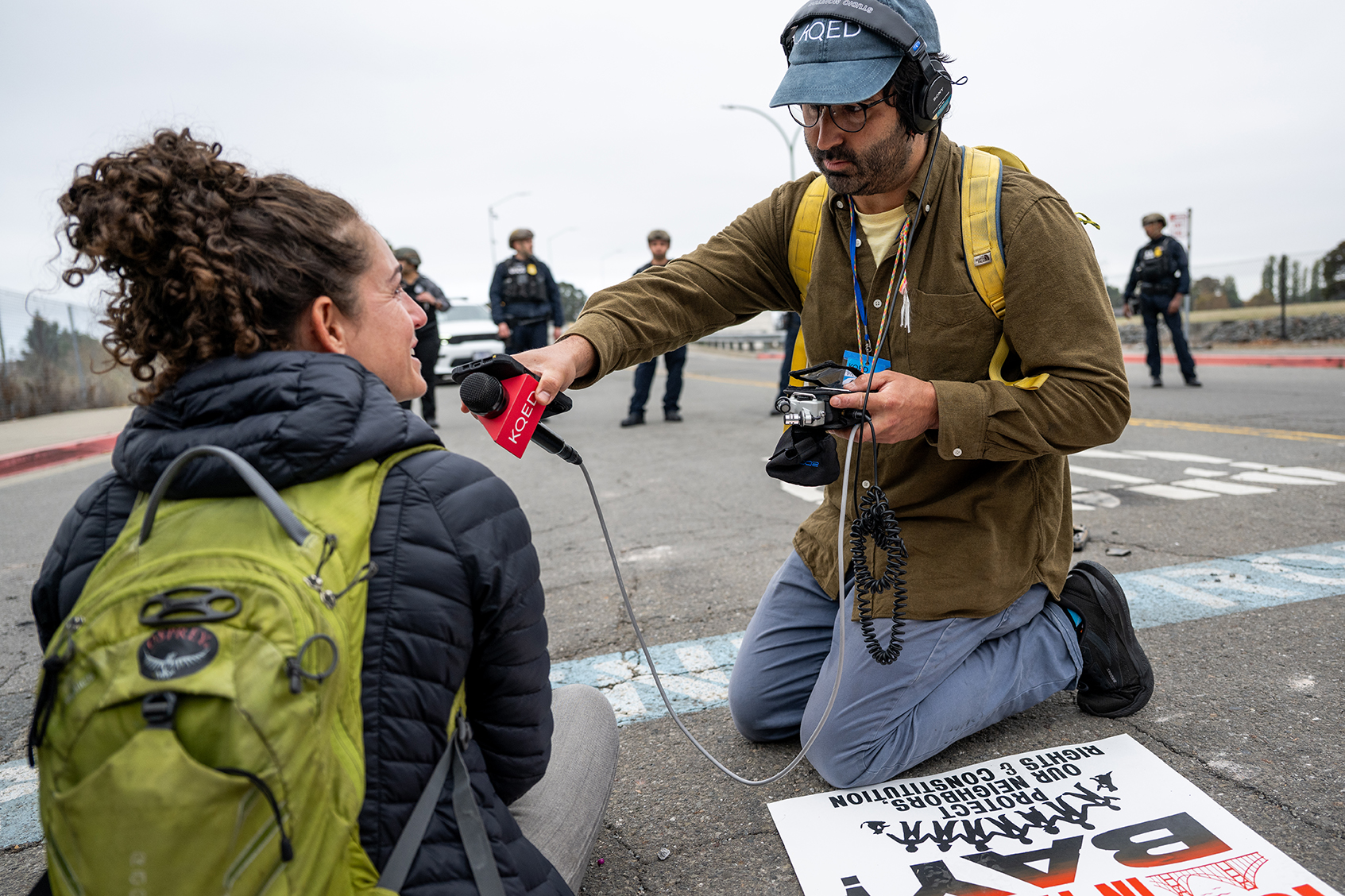
The KQED news team began preparing before Inauguration Day, with reporter trainings and coverage plans. They hit the ground running — providing factual news coverage, historical context, accountability reporting, explainers and deeply researched stories capturing the human impacts of these dramatic changes. In California, where immigrants are deeply woven into the economy at all levels and half of all children have an immigrant parent, those impacts are not theoretical. For many immigrants, especially those in mixed-status families, fear took hold. KQED also documented how California communities pulled together to support their immigrant neighbors, including in classrooms.
All year, KQED’s immigration desk met our audiences where they are, through radio stories and web articles, podcast conversations, vertical video on social media and live events at venues such as the Commonwealth Club, Manny’s and the San Francisco Public Library for the Night of Ideas Festival.
KQED’s capacity to cover immigration developments across the state was magnified by the California Newsroom, a KQED-led collaboration between NPR and over a dozen public media newsrooms in the state. And KQED’s original reporting was amplified statewide on The California Report and picked up by NPR and national programs such as PRI’s The World.
In May, KQED was among the first news outlets nationally to report that ICE was taking the unprecedented step of arresting people attending immigration court hearings. And the team’s watchdog coverage focused on the Administration’s efforts to increase immigration detention capacity in California at a time when the number of people and deaths in detention spiked to record highs.
Years of trusted reporting earned KQED’s Senior Immigration Editor Tyche Hendricks a confidential tip that led to an exclusive report revealing that Defense and Homeland Security officials were aiming to build an immigration jail at Travis Air Force Base in Fairfield. That news came as a shock to Congressional representatives, who pushed back forcefully and ultimately gained assurances from federal officials that the plan was off the table. Rep. John Garamendi (8th District) expressed gratitude to KQED for bringing the plan to light.
KQED’s work also uncovered questions about whether the largest immigration facility in the state, a private prison in the Mojave Desert, had opened without obtaining proper permits, and whether it was prepared to provide care for as many as 2,500 detainees. That reporting has been cited in lawsuits, Congressional correspondence with Homeland Security officials and policy reports detailing the growth of ICE detention.
KQED’s immigration coverage has consistently won awards, including a recent San Francisco Press Club first place in the continuing coverage category for a pair of stories by Hendricks that were reported from the U.S.-Mexico border in the run up to the 2024 election.
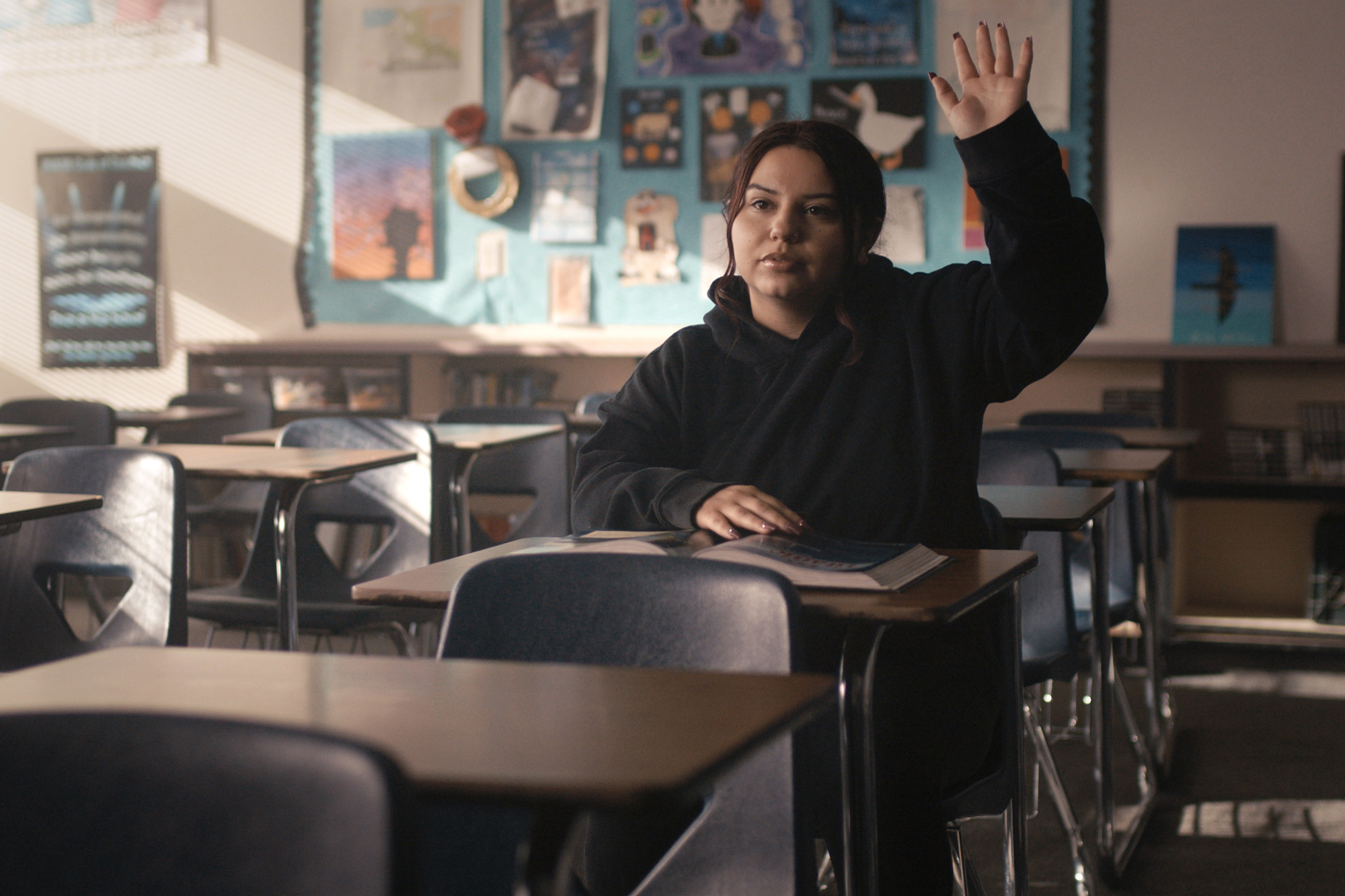
When shelter-in-place orders were set down in early 2000, it was particularly disruptive to high school students whose aspirations of graduation and college were suddenly and dramatically upheaved. The six-part docuseries The Class from KQED Presents follows a handful of these students. Focused on Antioch’s Deer Valley High School, the film looks at the students’ journeys as they pursue their higher education dreams amid the turmoil of the pandemic. It also highlights the inspiring college counselor “Mr. Cam” who empowers them to keep dreaming and to overcome unprecedented challenges.
Created by award-winning filmmakers Jaye and Adam Fenderson with Tony- and Grammy-winning executive producer Daveed Diggs (Blindspotting, Hamilton), The Class premiered on KQED on the five-year anniversary of the pandemic in March 2025. The series was distributed nationally to PBS stations by KQED Presents, KQED’s distribution service, which brings independent filmmaking to national public television audiences.
Leading up to the broadcast premiere, KQED organized a sold-out red carpet screening event at the historic Grand Lake Theatre in Oakland. 396 people attended, including the students and college counselor featured in the film and several teachers. Morning news anchor Brian Watt moderated the post-screening discussion with Diggs and the filmmakers. KQED also hosted Diggs and the filmmakers as part of KQED Fest, where audiences filled the station for a sneak peek of the film and conversation with Forum host Mina Kim.
Since its PBS launch, The Class has aired 6,148 times on stations in 150 markets, reaching 86.3 percent of the country. The extensive press coverage included a story in the San Francisco Chronicle, a piece on CNN, a highlight on the front page of The New York Times TV section and a feature in Deadline’s Emmy issue in addition to an earlier article that prominently featured KQED’s involvement.
The documentary series was also accompanied by a national impact campaign to inspire community dialogue. The campaign included lesson plans and video modules to explore the impact of the COVID-19 pandemic on students, families and educators. These lessons sparked dialog on the challenges of distance learning, the interplay of public policy and public health, and the social-emotional impact of this period in our nation and our world.
The longtail success of both the series and its impact campaign demonstrates the power of harnessing student voices and storytelling as catalysts for narrative change and grounding conversations about college access, advising and equity in the lived experiences of students.
Javonte Sellers, one of the students profiled in the series, told GLAAD, “Looking back on being 16 years old when the opportunity was first presented to me, I appreciated that it gave me a platform at such a young age to express myself and be seen by others nationally.”
Check, Please! Bay Area Celebrates 20 Years of Uplifting the Bay Area’s Food Scene

KQED launched Check, Please! Bay Area on November 3, 2005, with a simple premise: to welcome local diners — not professional food critics — to share about their favorite restaurants. In the 20 years since, Check, Please! has won four regional Emmy Awards and a coveted James Beard Foundation Media Award, and it has taken viewers on a Northern California culinary tour of more than 800 restaurants across more than 300 episodes — earning the program a deeply devoted audience.
To commemorate their 20-year milestone, host Leslie Sbrocco and the producers created a special series of episodes in fall 2025 featuring former Golden State Warriors Festus Ezeli, Adonal Foyle and Trayce Jackson-Davis; prominent Bay Area storytellers Adam Savage (MythBusters), Ruby Ibarra (Tiny Desk contest winner) and Glynn Washington (Snap Judgment host and co-creator); and a behind-the-scenes look at the program with highlights from the show’s history.
The program’s spotlight on the Bay Area food scene over the past 20 years, which includes the pandemic, multiple economic downturns and the everyday realities of a competitive and fickle restaurant industry, has made the program a guardian angel for local businesses. “Folks find out about places from Check, Please! Bay Area,” said Dontaye Ball, owner of Gumbo Social. “It’s like being a celebrity.”
In an SFGate article, Judy Khan, whose San Francisco-based Kahnfections was featured in a May 2025 episode, called the profile “an inflection point” for her then-struggling business. “The first four months of this year have been really tough, not just for us but for a lot of businesses,” she said. “I was worried that we would have to close down. Honestly, it changed things for us.”
“If you’re lucky enough to get on Check, Please! Bay Area, just get ready because people are going to come,” added Tyler Florence, chef and owner of Miller + Lux. “Fans are going to come. You’re going to sell out.”
The special episodes were wildly popular, resulting in an estimated 38 percent increase in Bay Area household viewing over previous episodes and earned publicity in SFGate, KQED’s own Forum, San Francisco Bay Times and Sonoma Magazine. And the show’s sold-out Taste and Sip event at the San Francisco Design Center in June 2025, featuring pop-ups from more than 50 restaurants featured on the program, provided Sbrocco and her colleagues another opportunity to toast to 20 years of building and strengthening the Bay Area food community.
“I think the legacy you have left is how many lives you’ve touched, how many restaurants you have helped and kind of pushed forward in a world with so many options,”said Todd Fisher, chef and owner of The Meatery. “It’s such a wonderful thing that Check, Please! has done.”
Documenting an Unhoused Community’s Campaign for Its Own Space, Snap Judgment’s “A Tiny Plot” Earns Prestigious Accolades
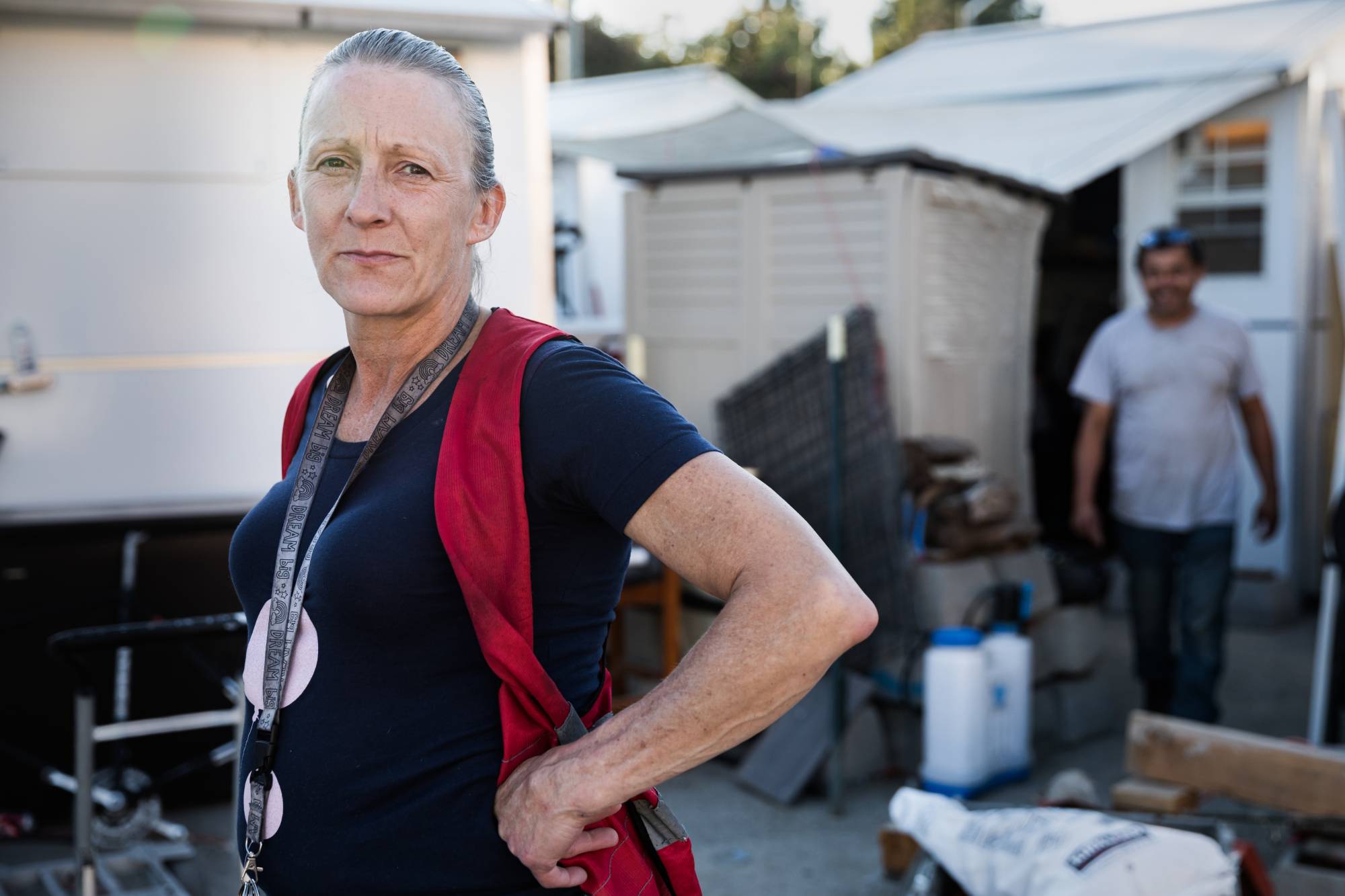
In California and across the United States, cities are clearing homeless encampments at a pace not seen in decades. At a moment when the nation’s homelessness crisis is treated almost entirely as a problem to be removed, KQED’s Snap Judgment series A Tiny Plot asks a different question: What happens when you hand unhoused people the power to solve it themselves?
A Tiny Plot is a five-part documentary series that follows a group of unhoused residents in Oakland, California, as they fight for a radical idea: their own plot of land where they could live in community and set their own rules. Producer Shaina Shealy embedded with the group for more than a year, recording the arguments, the breakthroughs and the failures that no outsider was ever supposed to see.
At the center of the story stands Mama D, a woman who had been homeless for more than 10 years. When the City of Oakland moved to clear Union Point Park, Mama D and her neighbors barricaded their tent city with broken refrigerators, mattresses and sandbags. Then they won a promise. The city agreed to give the group a plot of land and let them govern it. Officials called it an “experiment in co-governance.” If it worked, the residents believed it could become a model for helping homeless people across the state.
With Snap Judgment’s signature first-person style, A Tiny Plot pulls listeners inside the experiment to witness what co-governance actually looks like on the ground: the votes on who stays and who goes, the tension between freedom and safety, and the crushing weight of building something from nothing while the rest of the city watches. It gives names, voices and full human identities to people usually swept from view.
The New Yorker named A Tiny Plot one of the “Best Podcasts of 2025.” The Atlantic selected it as one of the “20 Best Podcasts Of the Year” and Vulture included it as one of “10 Podcasts We Loved in 2025.” NPR brought Shaina Shealy into the studio for All Things Considered and devoted a full episode of The Sunday Story to the series. A Tiny Plot aired on more than 400 public radio stations nationwide and reached new audiences through a standalone podcast feed across all major platforms.
Since the series aired, audiences continue to reach out to Snap Judgment saying it changed the way they see the people living on their own city’s streets. One listener wrote that the series “definitely forced me to consider how little nuance I held around the issue.” Another admitted that it helped them realize “it’s necessary to approach homelessness in a new way in this country.” University of Seattle law professor and Homeless Rights Advocacy Project director Sara Rankin wrote in support of our Peabody Awards submission that “A Tiny Plot has the ability to change the public understanding of our country’s homelessness crisis by illuminating the lived truths and day-to-day struggles of the homeless, which most policy debates skip over.”
Affordable Housing Reporting Empowers Mobile Home Communities, an Overlooked and Vulnerable Segment of Home Ownership
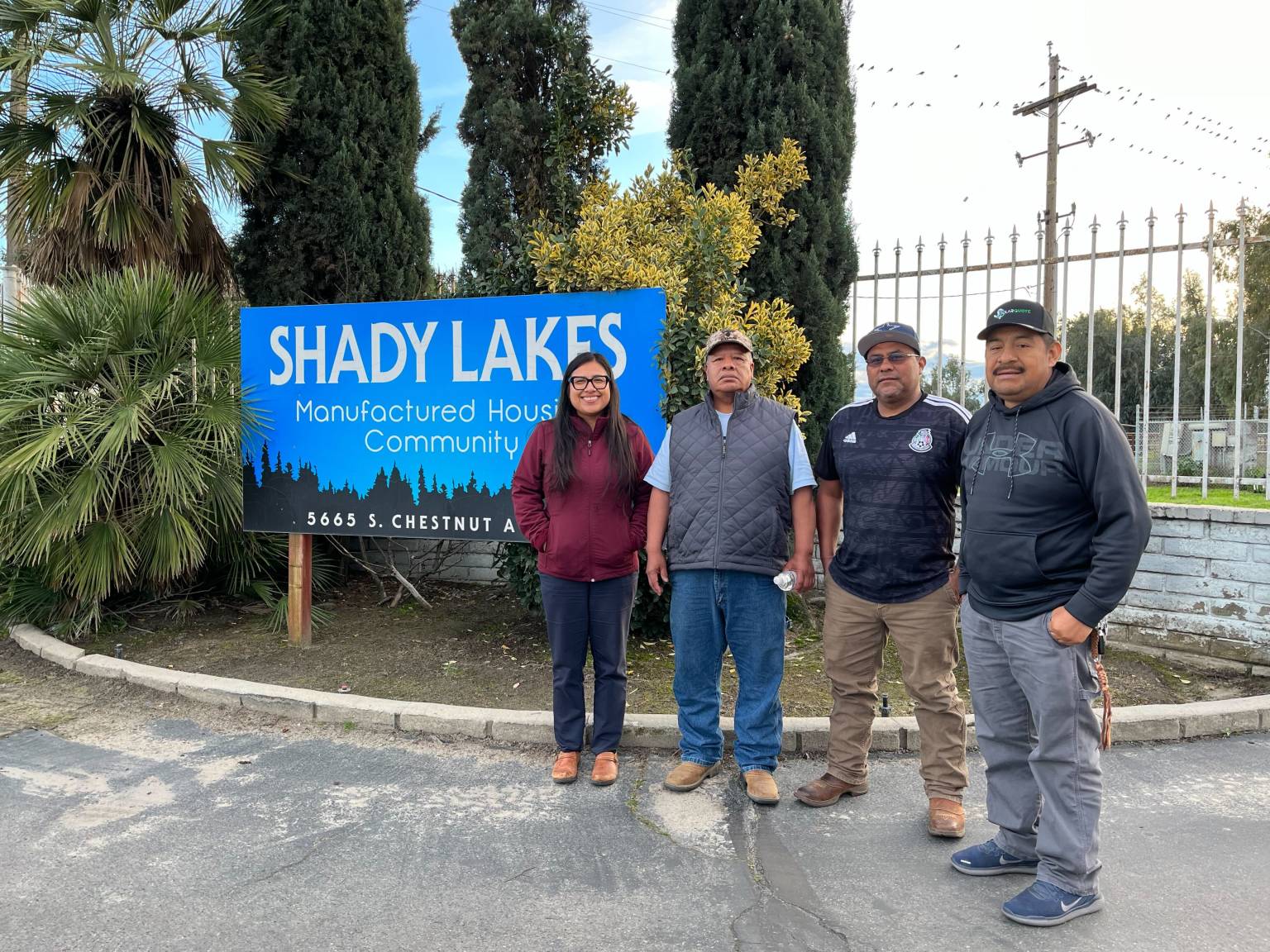
KQED’s The California Report reported on how corporate ownership and rising lot rents are reshaping mobile home parks, one of California’s last remaining sources of affordable housing. Mobile home parks are often described as “naturally occurring affordable housing,” as they are both modestly priced and unsubsidized. Mobile home residents typically own their homes, but rent the land beneath them — making mobile homeowners vulnerable to the whims and interests of landlords on whose land their homes sit.
Through on-the-ground reporting and interviews with residents, attorneys and housing advocates, The California Report’s coverage over the past two years, led by host and reporter Madi Bolanos, brings into focus how these overlooked communities function and why they are uniquely at risk of displacement. At its core, this work centers on Californians often left out of mainstream housing coverage and connects their lived experiences to the policy, funding and legal systems that shape their futures.
In San Rafael, Bolanos documented an ongoing legal battle at the RV Park of San Rafael, where approximately 45 households sought to enforce long-standing rent control protections. Residents filed a lawsuit alleging unlawful rent increases and harassment, bringing renewed scrutiny to how mobile home and RV park classifications affect homeowners’ legal rights. The coverage helped clarify complex housing laws for listeners and readers and elevated a case with implications for affordable housing in Marin County, one of the more affluent counties in the state.
The impact extended beyond local audiences. The Eviction Lab, a nationally recognized housing research organization, shared KQED’s San Rafael reporting with its national network, placing the residents’ fight within broader conversations about eviction trends and housing instability across the country. Residents from other parks across the state reached out to share similar experiences, and housing advocates used the reporting to inform outreach and education efforts.
At a KQED Live event celebrating The California Report’s 30th anniversary, Bolanos revisited one story that continues to resonate by adapting her reporting about a group of mostly Oaxacan farmworkers in Fresno County who successfully purchased their mobile home park from its corporate landlord. Formerly known as Shady Lakes, the community is now Nuevo Lago Mobile Home Park, a limited equity housing cooperative governed by residents themselves.
After five years of organizing, residents secured more than $7 million in state-backed loans and nonprofit financing to acquire the land beneath their homes. Sixty households now have collective control over rent levels, park finances and operating rules. The purchase permanently preserved affordability for dozens of low-income farmworker families and removed the property from the speculative market.
Community members said the coverage amplified their organizing efforts and brought broader public visibility to resident ownership as a housing preservation strategy. By the time the residents closed escrow, their story had become a statewide example of how cooperative models can stabilize vulnerable communities.
Plug-In Solar Movement Gains Momentum as KQED Coverage Ignites Consumer Demand and Legislation
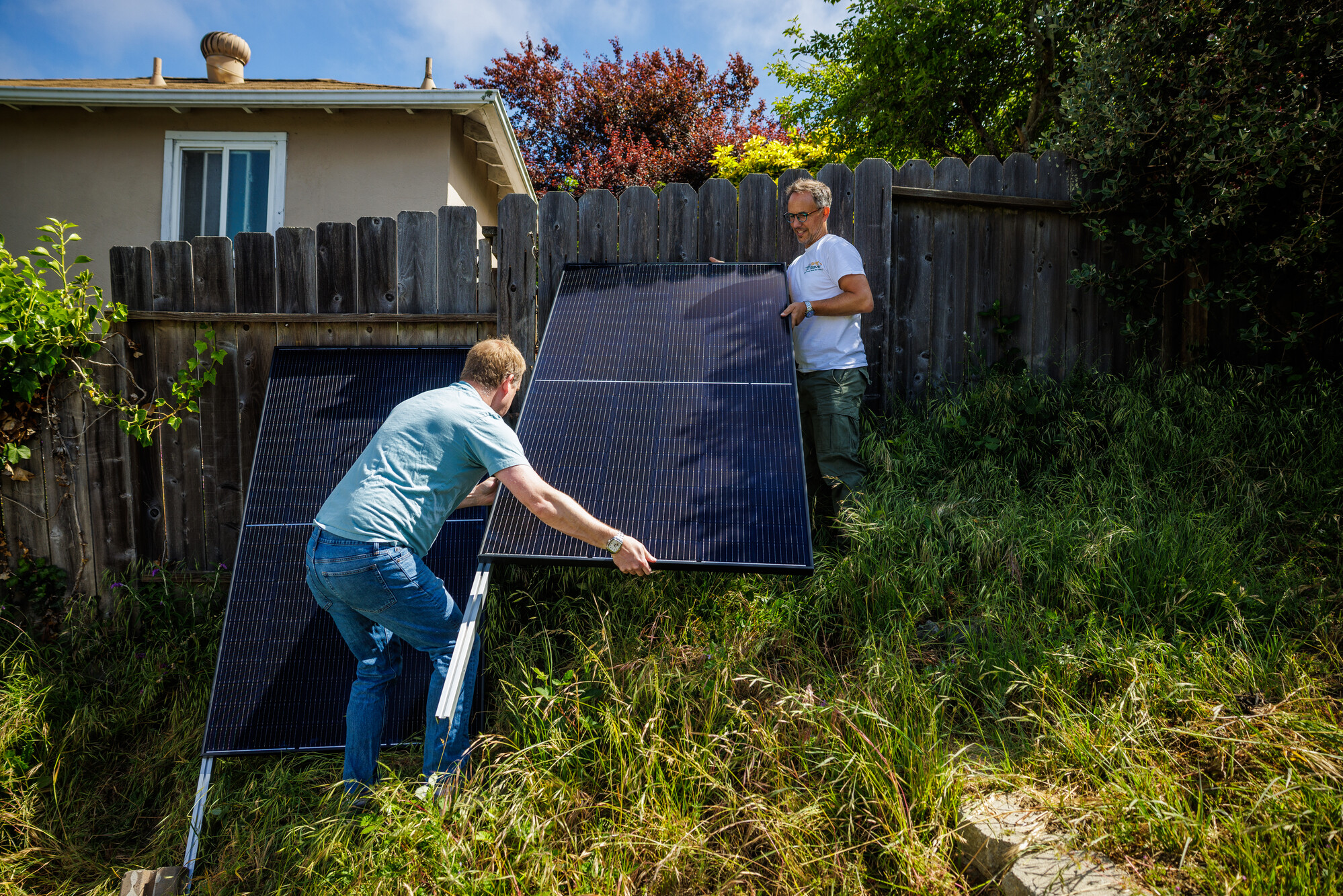
Solar has become a popular household energy alternative. But installing rooftop solar can be time-consuming, expensive and exclusive to those who own their homes. A 2025 story first published by KQED Climate Reporter Laura Klivans explores a new technology that offers the potential to considerably lower the expense and installation barriers for solar: plug-in solar.
Plug-in solar is a new take on an old technology. It consists of a few solar panels, an inverter and cables. You can order them online, set them up in a matter of hours and just plug them into an existing outlet.
The small systems won’t power a whole home, but help cover lights, electronics and appliances. Sometimes called “balcony solar,” these systems can hang from an apartment balcony, out a window or be tented in the backyard, offering an alternative for renters and people with roofs unsuited for rooftop solar.
In Germany, plug-in solar has become ubiquitous, with millions of these installments hanging from balconies. But the technology still faces barriers in the U.S. before usage can become mainstream. One hurdle is that in most states people wishing to install the panels need to register the plug-in systems with their utility providers based on state codes. That process can cost hundreds of dollars and take days or weeks. The systems also lack a common safety certification from an independent organization (something common for other electronics), with the first of such certifications only being published in January of this year.
KQED’s coverage has forced the conversation among both consumers and legislators. Klivans’ story was picked up by a cascade of other outlets and followed with an additional national radio piece on NPR’s All Things Considered. It was also shared through an independent collaboration with filmmaker Kelly Whalen, which brought the story to PBS News Weekend viewers. Bright Saver, a nonprofit organization that works to make the technology more accessible, reported catalytic community interest from the coverage. They received more than 250 inquiries from people and have made arrangements to facilitate installation of systems for 40 households. Representatives from the nonprofit estimate those installations will cut over 10 tons of carbon dioxide emissions annually, the same climate benefit as planting more than 400 trees every year.
And as of this report’s publication, more than 20 states, including California, have introduced legislation to allow plug-in solar panel installation with fewer barriers.
Nationwide Youth Media Challenge Program Doubles Student Participation in 2025
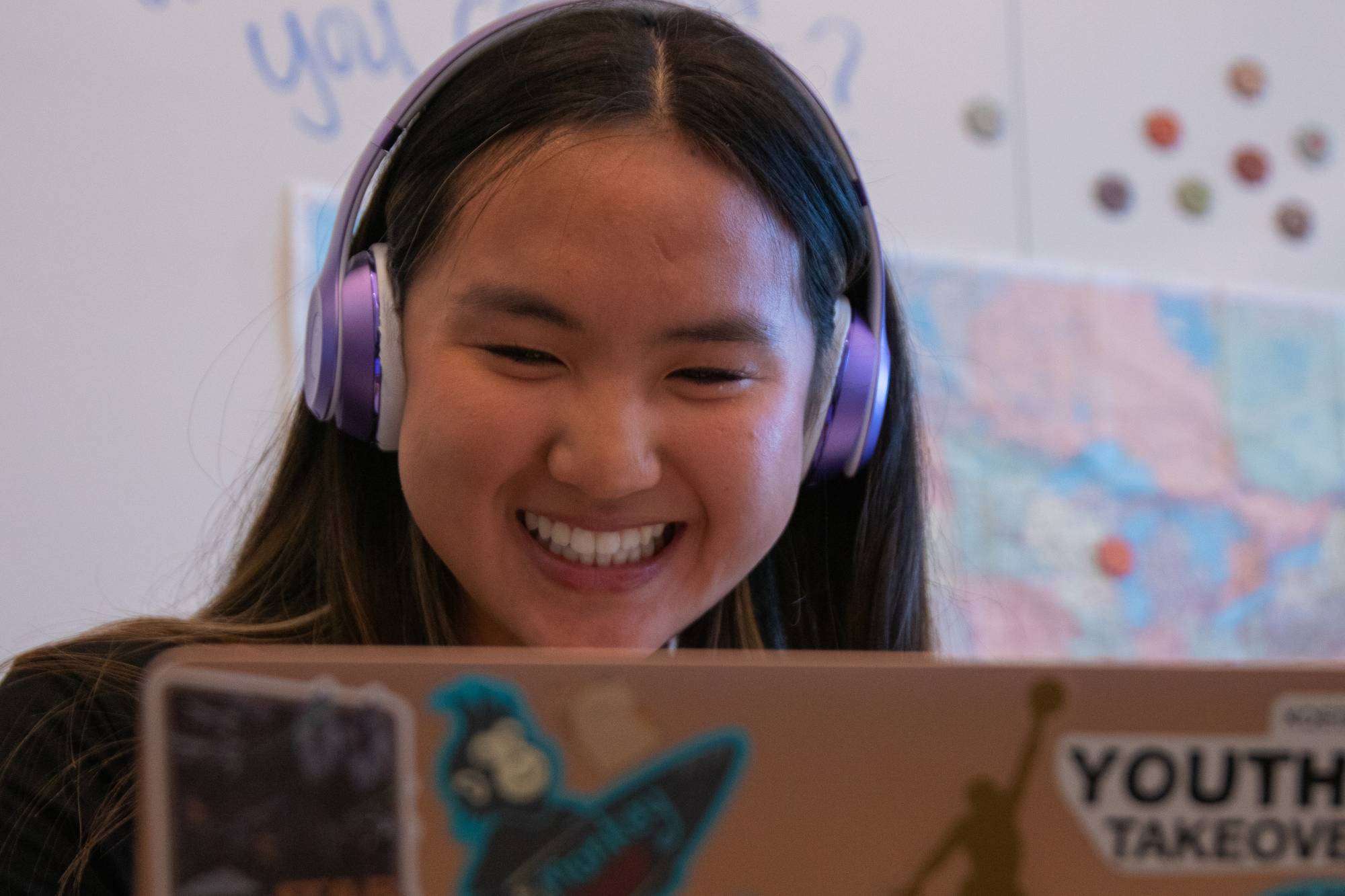
The KQED Youth Media Challenge (YMC) invites middle and high school students to share how they see their world, themselves and their future by making and publishing their own media. The 2024-2025 school year was KQED Education’s most successful on record, with more than 4,000 students from across the country creating audio, video and graphic media projects — nearly double what they received from students last year. These media pieces were published to the Youth Media Challenge Showcase, which received more than 130,000 audience views.
Teachers choose from three free standards-aligned project types — informational, personal narrative or commentary — that come complete with ready-to-use, modifiable curricular resources in English and Spanish. From powerful “First Person” narrative podcasts to entertainingly educational “Show What You Know” mini-documentaries, these pieces remind audiences that our communities are made richer and stronger when we connect across generations. And the surge in submissions indicates these projects are filling a need in classrooms and a desire to hear what youth have to say.
Last year, students published YMC podcasts, videos and images about mental health, their identity, nuclear disarmament, local climate concerns, financial literacy and even freshman basketball. KQED Education collected a list of pieces that spark joy or stand out in other ways, with thousands more on dozens of topics on the YMC Showcase. Media from students across the Bay Area are represented too, like from Madison Park Academy in Oakland and Tennyson High School in Hayward as well as from nonprofit partners, including 826 Valencia and the Boys & Girls Club. One thing is for sure: Young people are worth listening to and they bring valuable perspectives that enrich our communities.
As students bring their ideas for solutions to challenges in their communities, they are practicing their civic engagement skills. “In today’s polarized social and political climate, it is more crucial than ever to equip young people with the skills to engage in informed, respectful civic discourse,” says Jodi Howell, a high school teacher based in Oregon. As students share their own perspectives with a real audience outside their own classrooms, the KQED Youth Media Challenge helps them encounter and consider other students’ perspectives whose experiences may differ from their own. Heidi Bonfant, a teacher from Arizona who uses the YMC curriculum to navigate the system in real ways said, “The curriculum should match real life. None of this matters, none of this is civics if it never leaves the classroom.”
To that end, KQED started a new project to develop and pilot a new curriculum alongside local classroom teachers called Podcasting Democracy: Understanding the Constitution to Inspire Civic Change. Linking student audio creation with civic engagement, the curriculum will engage students in learning about our nation’s founding documents and support them in using the Constitution to advocate for change in a commentary podcast. They will then share their audio creation by publishing it in the Youth Media Challenge Showcase. Pilot teacher Kim Yates from Kentucky emphasized that sharing their podcasts with an audience means her students will learn that “their voices, their learning and their experiences have value, and that they too can have a seat at the table.” This exciting project will launch nationally in 2026, so stay tuned for stories about its impact.
When a Federal Education Grant Was Canceled, KQED Funders Rescued a National Civics Program for Youth
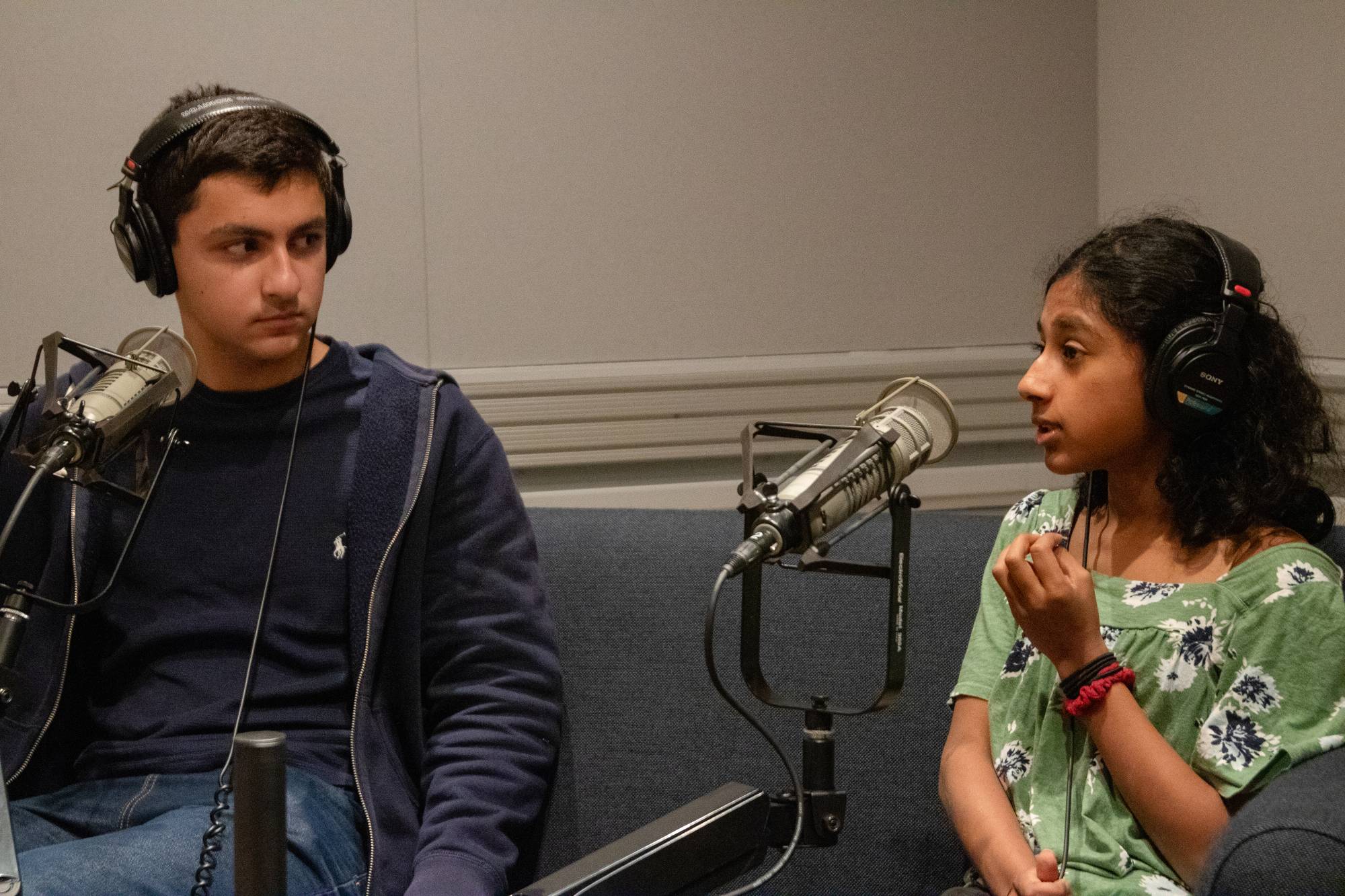
KQED Education provides innovative media literacy and civics programs to secondary school students and teachers focused on developing youth voice and agency. This work is supported by KQED members as well as a range of funders and donors, some of whom stepped up this year with additional support to keep an important and timely project going after it was defunded.
In the fall of 2024, KQED’s “Podcasting Democracy” project won a highly competitive U.S. Department of Education grant for working with a diverse cohort of 20 teachers from around the country to develop, test and implement curriculum to teach middle and high school students about the U.S. Constitution via podcast production. Timed with the 250th anniversary of the U.S., the project reaches across political divisions by asking students to express their views on democracy in their own words.
Applications were carefully reviewed and rated by a panel of experts, and KQED was awarded a $1.9 million grant. In a grantee pool that consisted mainly of research institutions and universities, KQED stood out as the only media institution to be selected.
But in June 2025, the remaining two years of the grant were canceled for being outside of the new administration’s priorities. The lost funding would have covered compensation for teachers, KQED educators and project managers as well as technical and distribution support. Without it, the initiative would have to be canceled without replacement funding.
Fortunately, three foundations that already partnered with KQED Education stepped forward with increased funding to sustain Podcasting Democracy. This inspiring commitment from some of our most generous, democracy-minded donors ensured the program could continue without interruption.
Specifically, the Crescent Porter Hale Foundation doubled its previous commitment to KQED Education and put it all toward this project. Similarly, the Sato Foundation quintupled its contribution, designating those funds for the program. And finally, a Bay Area family foundation that wishes to remain anonymous added $100,000 to be directed to the project on top of an already substantial $175,000 grant for KQED Education.
In the wake of sweeping 2025 federal cuts, many members stepped up to bolster public media nationwide — and KQED’s community was no exception. These three organizations are shining examples of a deep dedication to civics education. By investing in KQED’s partnerships with educators and secondary schools, they are helping cultivate the very roots of our democracy. We applaud their conviction and thank them deeply for championing this critical work.
At The Battery, Giving Circle Members Rally Behind KQED’s Fight for Trusted Information
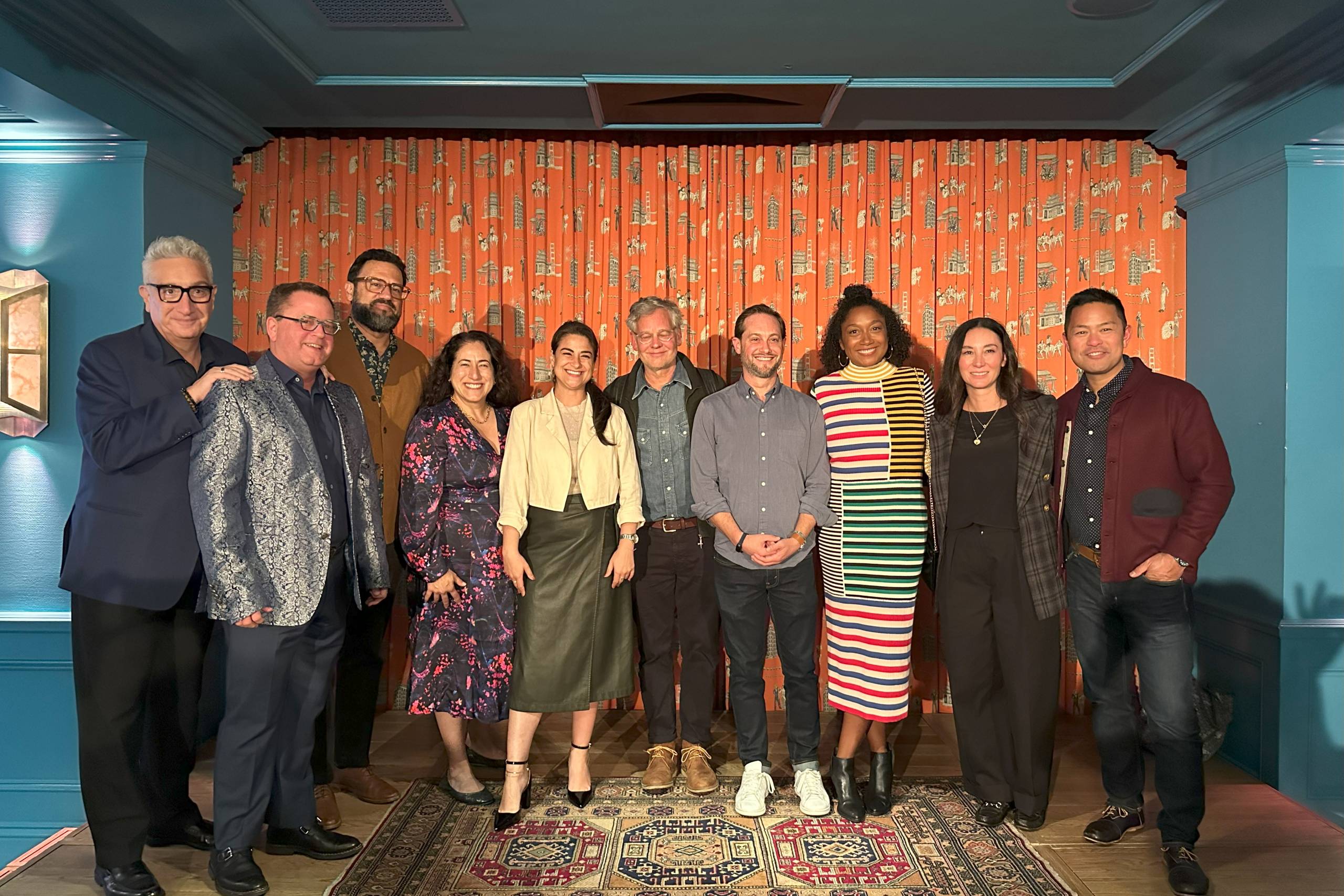
The Battery is a private members club and hotel in San Francisco dedicated to nurturing forward-thinking in the arts, technology and beyond. Seeking to channel the community’s collective generosity, the club’s founders created Battery Powered, a giving program that unites members to learn about and fund organizations tackling critical issues — from prison reform and women’s health to gun safety. Since its inception, the program has awarded over $35 million in grants, making it one of the largest giving circles in the world.
KQED was nominated in 2025 under the theme “The Information Paradox,” which explored how organizations can ensure that all people have access to reliable information to make fundamental life decisions. KQED President & CEO Michael Isip took to the Battery Powered stage to deliver a talk on how we address the modern information crisis. Isip broke down the who, what and how — starting firmly with the why: KQED provides trustworthy journalism at scale so residents can create a better Bay Area.
KQED is grateful to have been awarded the maximum award of $250,000, and several individual members even stepped forward with personal contributions to support KQED as well.
The grantmaking process was remarkably convivial, fostering new connections between KQED, Battery members and partner organizations. We are deeply grateful to the staff at Battery Powered for facilitating a robust process and to the members who voted to support KQED so significantly during a year of funding upheaval.
2025 NorCal Excellence in Journalism: Arts & Culture (Print/Online)
Culture Stories Covering Crab Fishing, Authentic Puerto Rican Cuisine and a Hidden Soul Food Gem
Luke Tsai, with Beth Laberge, Estefany Gonzalez and Thien Pham
2025 NorCal Excellence in Journalism: Arts & Culture (Radio/Audio/Podcast)
The California Composers Series
Bianca Taylor, Nastia Voynovskaya and Sasha Khokha, with support from Suzie Racho, Brendan Willard and Hussain Khan
2025 NorCal Excellence in Journalism: Commentary/Analysis (Audio/Audio/Podcast)
Hyphenación
Xorje Olivares, Ana De Almeida Amaral, Alex Tran, Chris Hambrick, Christopher Beale, Jen Chien, Katie Sprenger, Vivian Morales, Matt Morales and Michael Palmer
2025 NorCal Excellence in Journalism: Community Journalism (Multimedia)
“The SF Barber That Welcomes All Trans People Into His Shop”
Carlos Cabrera-Lomelí, Gina Castro, Carly Severn and Anna Vignet
2025 NorCal Excellence in Journalism: Community Journalism (Radio/Audio/Podcast)
Reporting on the Struggles Of Older Japanese Americans in the Bay Area
Cecilia Lei and Juliana Yamada
2025 NorCal Excellence in Journalism: Explanatory Journalism (Radio/Audio/Podcast)
“How RFK Jr.’s Message Took Root in a Small Marin Town”
Lesley McClurg, along with The Bay team of Ericka Cruz Guevarra, Alan Montecillo, Jessica Kariisa and Mel Velasquez
2025 San Francisco Press Club Journalism Awards
Feature Story/Light Subject (First Place)
“Oakland Composer and Harpist Destiny Muhammad Has Always Charted Her Own Path”
Bianca Taylor, Suzie Racho, Sasha Khokha, Victoria Mauleón and Brendan Willard For
2025 San Francisco Press Club Journalism Awards
Feature Story/Light Subject (Second Place)
“Fake Red Curbs Cause Confusion In San Francisco”
Azul Dahlstrom-Eckman
2025 San Francisco Press Club Journalism Awards
Feature Story/Light Subject (Third Place)
“San Francisco’s Oldest Lesbian Bar Has Been a Safe Space for More Than 60 Years”
Ana De Almeida Amaral, Olivia Allen-Price, Katrina Schwartz and Caroline Smith
2025 San Francisco Press Club Journalism Awards
General News Story (First Place)
“Dramatic Insurance Spikes Could Tank California’s Homeless Housing”
Erin Baldassari
2025 San Francisco Press Club Journalism Awards
Investigative Reporting (Second Place)
“She Left Her Abuser. Now the Shelter That Helped Her Is Losing Federal Funds Under Trump”
Marisa Lagos
2025 San Francisco Press Club Journalism Awards
Podcast General Interest (First Place)
Hyphenación
Xorje Olivares, Ana De Almeida Amaral, Chris Hambrick, Jen Chien and Christopher Beale
2025 San Francisco Press Club Journalism Awards
Podcast News (First Place)
“How Anti-Trans Politics Loomed Over San José State’s Volleyball Season”
Ericka Cruz Guevarra, Natalia Navarro, Jessica Kariisa and Alan Montecillo
2025 San Francisco Press Club Journalism Awards
Podcast News (Third Place)
“How RFK Jr.’s Message Took Root in a Small Marin Town”
Lesley McClurg, Ericka Cruz Guevarra, Alan Montecillo, Jessica Kariisa and Mel Velasquez
2025 San Francisco Press Club Journalism Awards
Series or Continuing Coverage (First Place)
“In the Run-Up to the Presidential Election, Politics Doesn’t Reflect Reality at the U.S.-Mexico Border”
Tyche Hendricks, Angela Corral and Victoria Mauleón
2025 San Francisco Press Club Journalism Awards
Series or Continuing Coverage (Third Place)
“The Surveillance Machine” – Close All Tabs
Morgan Sung, Maya Cueva, Jen Chien, Chris Egusa and Brendan Willard
2025 Edward R. Murrow Regional Awards
Continuing Coverage
“The Last Days of the Oakland A’s”
KQED
2025 Edward R. Murrow Regional Awards
Excellence in Diversity, Equity, and Inclusion
”Hebah Hefzy Becomes 1st Hijabi Runner to Finish World’s Oldest 100-Mile Ultramarathon”
KQED
2025 Edward R. Murrow Regional Awards
Excellence in Innovation
“The Latest from KQED Gives Podcast Listeners a Local News Experience”
KQED
2025 Edward R. Murrow Regional Awards
Feature Reporting
”Bay Area’s ‘Fix-it’ Culture Thrives Amid State’s Forthcoming Right-to-Repair Law”
KQED
2024 Investigative Reporters & Editors (IRE) Awards
Best Longform Journalism in Audio
On Our Watch: “New Folsom”
Sukey Lewis, Julie Small, Victoria Mauleón, Jen Chien, Steven Rascón, and Chris Egusa
2025 NorCal Excellence in Journalism: Features Journalism (Radio/Audio/Podcast)
“San Francisco’s Oldest Lesbian Bar Has Been A Safe Space For More Than 60 Years”
Ana De Almeida Amaral, Olivia Allen-Price, Katrina Schwartz and Caroline Smith
2025 NorCal Excellence in Journalism: Interview (Radio/Audio/Podcast)
“How Oakland Style Empowered A’s Great Rickey Henderson and Other Athletes”
Brian Watt, Alexander Gonzalez and Dana Cronin
2025 NorCal Excellence in Journalism: Longform Storytelling (Radio/Audio/Podcast)
“A 129-Year-Old San Francisco Lawsuit Could Stop Trump From Ending Birthright Citizenship”
Carlos Cabrera-Lomelí, Victoria Mauleón, Suzie Racho, Brendan Willard and Sasha Khokha
2025 NorCal Excellence in Journalism: Ongoing Coverage (Radio/Audio/Podcast)
Reporting On California’s Crackdown On Homeless Encampments
Vanessa Rancaño and Guy Marzorati
2025 NorCal Excellence in Journalism: Science Reporting (Radio/Audio/Podcast)
“Science Meets Daily Life In KQED’s Audio Reporting”
Laura Klivans, Ezra David Romero and Danielle Venton
2025 NorCal Excellence in Journalism: Science Reporting (TV/Video)
Deep Look
Gabriela Quirós, Josh Cassidy, Rosa Tuirán and Mimi Schiffman
2025 NorCal Excellence in Journalism: Student Journalism (Radio/Audio/Podcast)
“A Basketball Trailblazer: My Mother, the WNBA Star You’ve Never Heard Of”
Audreyanah McAfee
2025 San Francisco Press Club Journalism Awards
Sports Feature (First Place)
“Oakland A’s Mark Final Coliseum Game With Victory”
Azul Dahlstrom-Eckman
2025 San Francisco Press Club Journalism Awards
Sports Feature (Second Place)
“From The Dugout to the Zen Den: How the San Francisco Giants Champion Mental Wellness”
April Dembosky and Kevin Stark
2025 San Francisco Press Club Journalism Awards
Columns-Features (First Place)
Columns, K Onda, KQED’s Monthly Newsletter Centering the Bay Area’s Latino Community
Blanca Torres
2025 San Francisco Press Club Journalism Awards
Columns-Features (Third Place)
“The Midnight Diners”
Luke Tsai, Thien Pham and Raynato Castro
2025 San Francisco Press Club Journalism Awards
Environment/Nature (Second Place)
“Greater Bay Area Prepares For Rising Seas, Communities Grapple With Flooding Issues”
Ezra David Romero, Katie Worth, Matthew Green and Kevin Stark
2025 San Francisco Press Club Journalism Awards
Environment/Nature (Third Place)
“What as a ‘Heat Island’? You Might Be Living Inside One in the Bay Area”
Carlos Cabrera-Lomelí, Carly Severn and Matthew Green
2025 San Francisco Press Club Journalism Awards
Photography/Feature (First Place)
“Scenes From San Francisco’s Unhoused Encampment Sweeps”
Beth Laberge, Gina Castro and Martin do Nascimento
2025 San Francisco Press Club Journalism Awards
Photography/News (Third Place)
“Park Fire Survivor Kenneth Gaines Rebuilds After Losing Everything But His Animals”
Beth Laberge
2025 San Francisco Press Club Journalism Awards
Series Or Continuing Coverage (First Place)
‘California Forever’ Continuing Coverage
Adhiti Bandlamudi
2025 San Francisco Press Club Journalism Awards
Best News Website – Large (First Place)
KQED Mobile App
KQED Staff
2025 San Francisco Press Club Journalism Awards
Best Radio Station/Podcast (First Place)
KQED Public Radio
KQED Staff
2025 Edward R. Murrow Regional Awards
Hard News
”SF Crackdown on Illegal Drugs Has Implications for Immigration”
KQED
2025 Edward R. Murrow Regional Awards
Investigative Reporting
“Deadly Restraint: Despite Decades of Warnings, Police Continue Holding People Facedown”
The California Newsroom, The California Reporting Project, CapRadio, KQED, and The Guardian US
2025 Edward R. Murrow Regional Awards
News Documentary
“The Railroad’s Surprising Impact on Food and Civil Rights in California”
KQED and Food & Environment Reporting Network
KQED Productions, Products and Presentations
KQED LOCALLY BROADCAST TELEVISION PRODUCTIONS
Check, Please! Bay Area
KQED Live
KQED NATIONALLY BROADCAST TELEVISION PRODUCTIONS, CO-PRODUCTIONS AND PRESENTATIONS
The Class
Giants Rising
Make a Circle
Roadtrip Nation
Joseph Rosendo’s Steppin’ Out
Singing for Justice
Single-Use Planet
KQED PUBLIC RADIO PRODUCTIONS
The California Report
The California Report Magazine
Forum
Perspectives
Political Breakdown
KQED DIGITAL VIDEO PRODUCTIONS
Beyond the Menu
Deep Look
Forum
Hyphenación
Jacques Pépin Cooking At Home
Jacques Pépin Celebrates
KQED Live
No Crumbs
Yan Can Cook
KQED PODCAST PRODUCTIONS
The Bay
Bay Curious
Close All Tabs
Hyphenación
The Latest
MindShift
On Our Watch
Political Breakdown
SOLD OUT: Rethinking Housing in America
SNAP STUDIOS AUDIO PRODUCTIONS
Fire Escape Mind Your Own with Lupita Nyong’o
Snap Judgment
Spooked
A Tiny Plot
Publication Team
Director of Marketing & External Communications, Peter Cavagnaro
Designer, Jeffrey Edalatpour
Creative Director, Zaldy Serrano
*Cover photo by Zoë Meyers (KQED).
Download the KQED Annual Report 2025
KQED Annual Report 2024
KQED Annual Report 2023
KQED Education Annual Report 2024-25 School Year