Don’t Skip the School Board Races on Your Ballot. Here’s Why They Could Be Pivotal
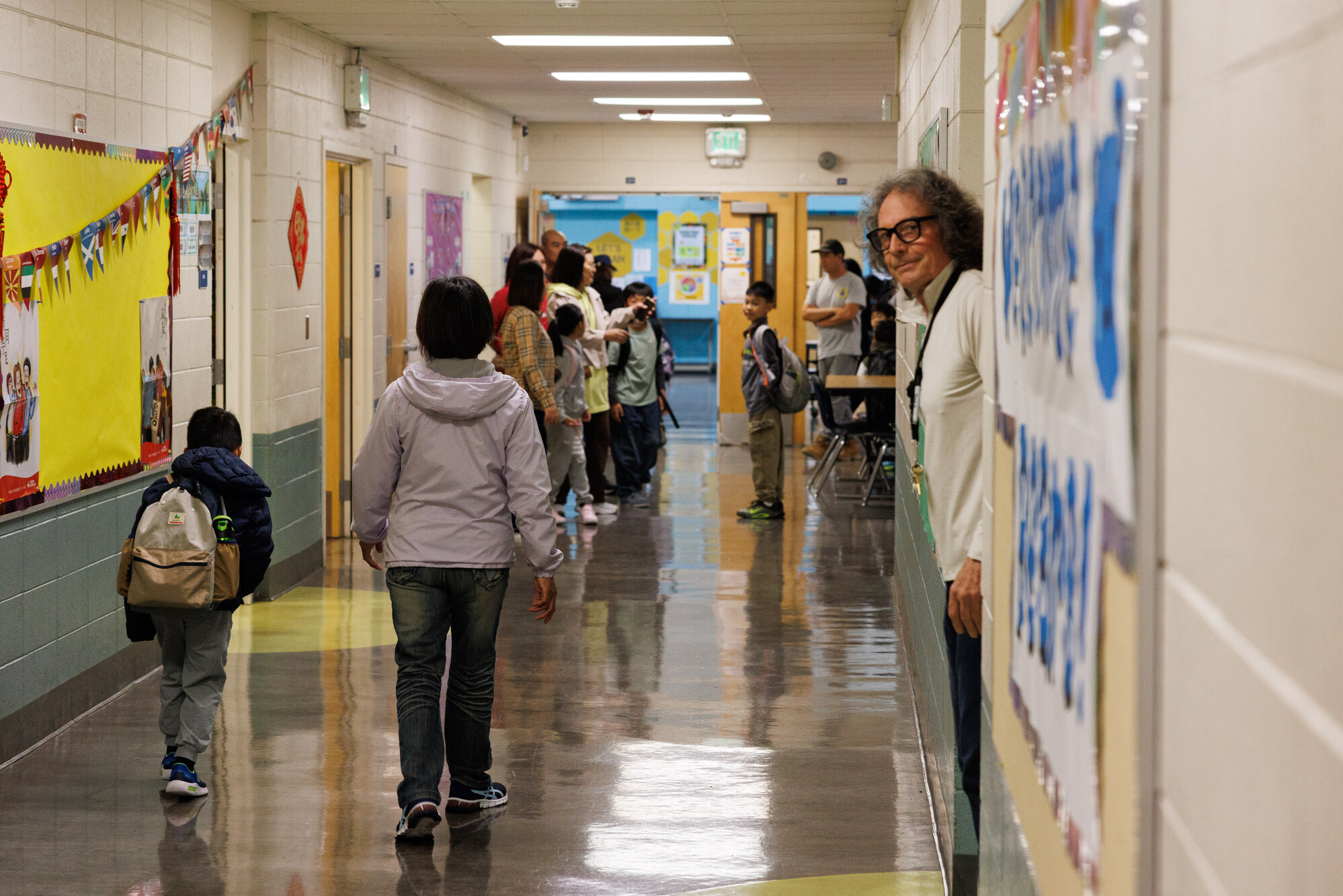
In school districts across the Bay Area, years of declining enrollment are forcing major cuts and closures; students’ math and reading scores are in a free fall; and campuses are being confronted with many of our major political fights, from transgender rights to AI regulation.
But in many cases, the people elected to navigate these challenges earn that significant power by a margin as small as a couple hundred votes.
More than half of school board candidates across the U.S. run uncontested in an average election cycle, and voter turnout hovers between 5% and 10%. And school board races tend to be “low information,” meaning voters know little about who the candidates are or where they stand on key issues, many of which are similar across districts throughout the state.
KQED asked 390 candidates vying for 109 school board seats across the nine-county Bay Area in November for their stance on some of these topics, from potential school closures to cellphone use — information voters can use at a time that education experts say is pivotal to public schools’ success.
“We have some unambiguously big problems for schools,” said Jon Valant, who directs the Brown Center on Education Policy at the Brookings Institution. “You can have a big impact, and you can have a big impact at a time when schools are facing a lot of important questions.”
What do school boards actually do?
School boards oversee large budgets, act as major employers and make policy and curriculum decisions that affect thousands of young people — and have rippling impacts on their wider communities.
“[Public schools] are the primary institutions that we have for preparing people to be contributing members of our society, democracy and economy,” Valant said. “When you’re participating in a school board election, you’re really having a say in the structure of our society more broadly.”
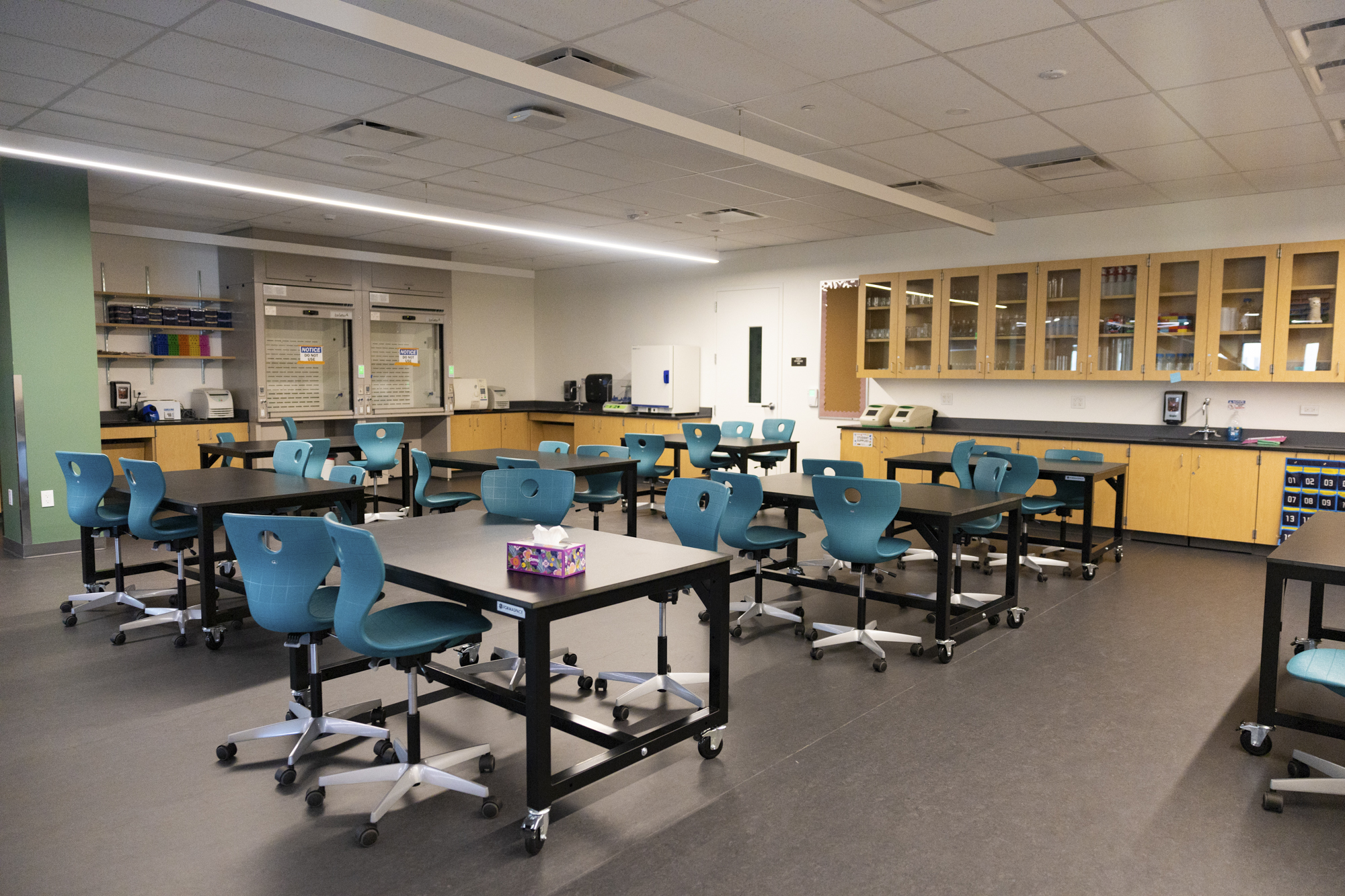
The bodies have a few main functions: approving a school district’s budget — which for an urban district like San Francisco, tops $1.36 billion — and hiring and evaluating a superintendent, the person “who’s really responsible for running the system,” according to Julie Marsh, a faculty director at Policy Analysis for California Education.
School boards set priorities, such as student outcome goals and community values, that are supposed to guide decision-making by the superintendent and district staff. They also approve curriculum and labor contracts and can steer high-level policy.
Culture war battlegrounds
Less officially, school boards have also become political arenas.
“Schools and particularly school boards have really become some of the country’s main battlegrounds for its culture wars,” Valant said.
He traces the trend back to the COVID-19 pandemic, when some groups of parents began organizing and rallying against masking and vaccine mandates.
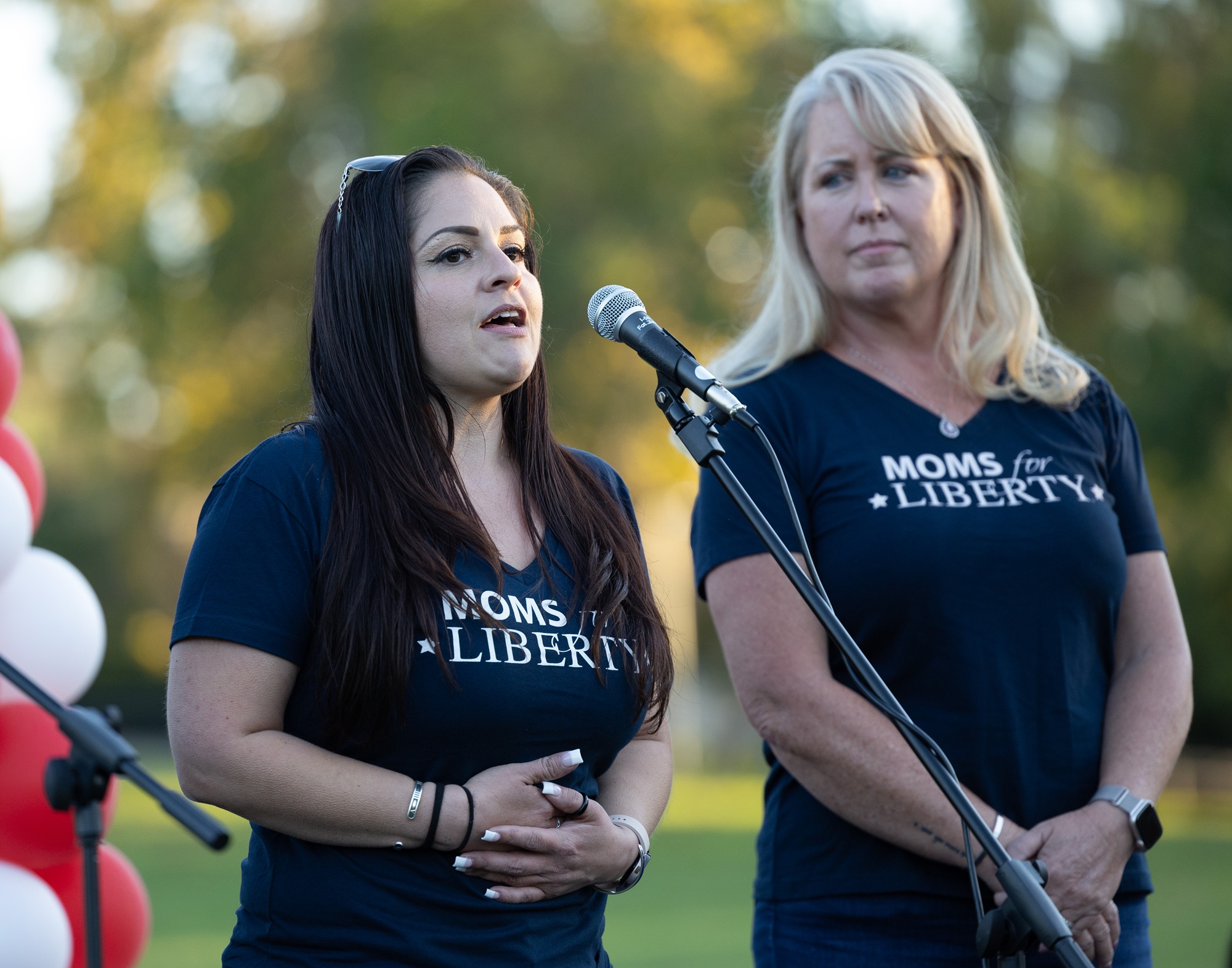
Around the same time, groups like Moms for Liberty were on the rise, advocating against curriculum that teaches about LGBTQ rights and race and ethnicity. They began running school board candidates and establishing a sustained presence at school board meetings, sowing fear that public schools are pushing “woke indoctrination.”
“We’ve seen far-right leaders who have been quite successful with this approach where they run well-funded groups, organize and run a candidate on an ideological platform,” Marsh said.
She and other experts said the rise of candidates running for the nonpartisan roles backed by political interest groups became especially prominent in the early 2020s.
While these groups’ influence on school board races seems to be dying down in California, Valant said a recent national Brookings survey found that school board members still feel their governance has become more political and partisan in recent years.
Marsh said that conservative groups have also used the tactic to upend trust in school systems more broadly and “mobilize their base.”
“There’s a whole strategy of creating a bench for potential candidates for higher office,” she said.
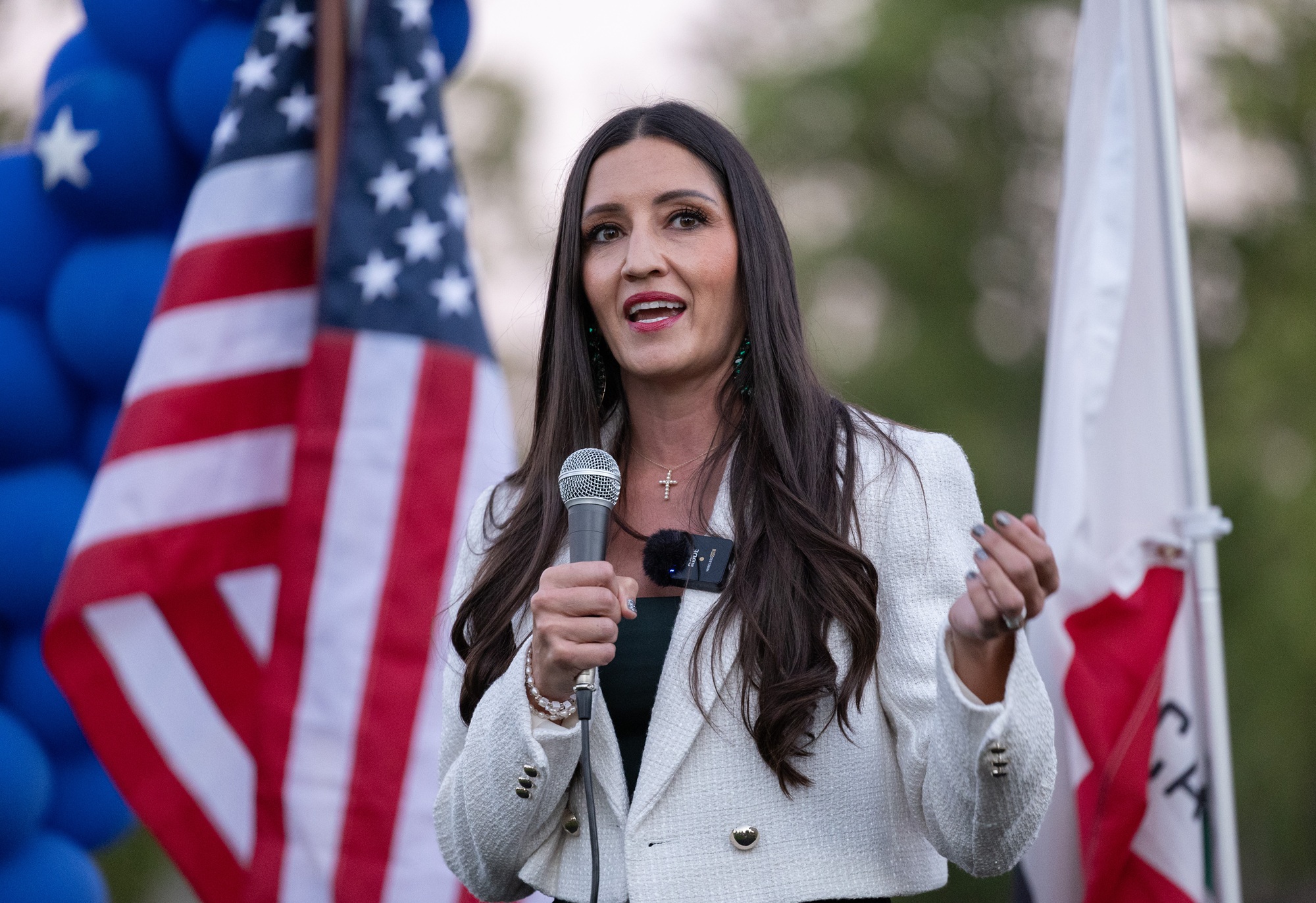
Sonja Shaw, who is in the runoff election for California state superintendent this November, rose to notoriety as Chino Valley’s school board president in 2023, when she pushed for a policy that would require school staff to notify parents of any change in their children’s gender identity. Shaw made headlines after current state Superintendent Tony Thurmond was heckled and removed from her district’s board meeting after he expressed opposition to the policy.
The policy was permanently halted in 2024, after a lawsuit from Attorney General Rob Bonta, along with similar campaigns to implement “forced outing” in Rocklin and counties in Southern California.
President Donald Trump also harnessed fear surrounding schools’ policies around LGBTQ students in the final stretch of his 2024 reelection campaign, telling a crowd of about 20,000 at Madison Square Garden, “we will get … transgender insanity the hell out of our schools.”
He repeatedly told voters: “your kid goes to school and comes home a few days later with an operation,” changing their sex.
‘Big, big issues’
While “culture war politics” draw attention and tend to spur single-issue candidates to run for school boards, Valant said, “we need really to be focused on some of the core issues in education.”
“[Artificial intelligence] has kind of landed on schools’ laps, and questions about how technology should be embedded into the school day,” he said. “We’ve seen achievement declines across the country and growing gaps between the highest- and lowest-scoring students. We’ve seen chronic absenteeism and enrollment declines.
“And, we’ve seen a growing attack on public education across the country,” he said.
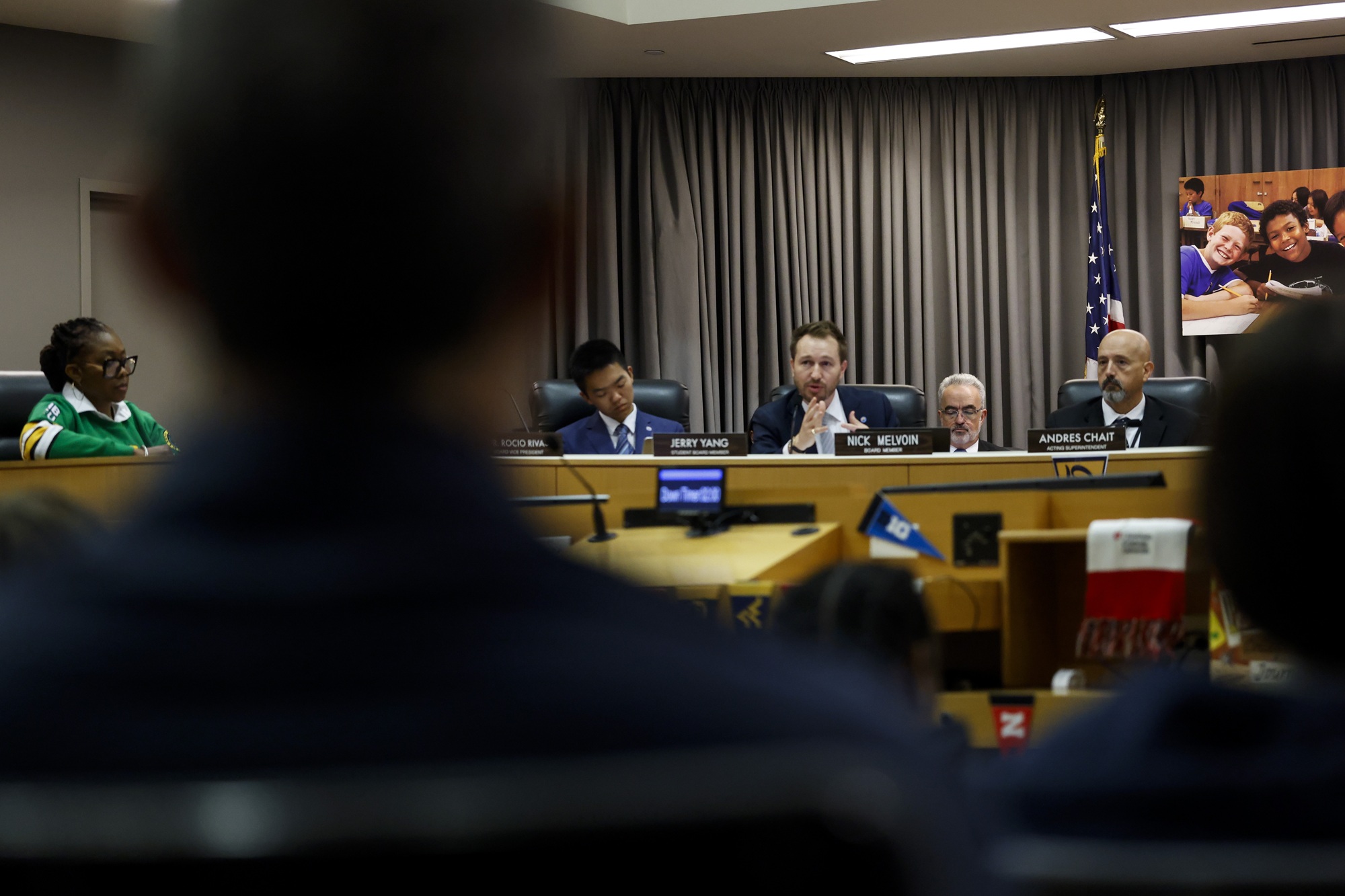
Many of the boards elected this November will be tasked with deciding how their districts will weather shrinking student bodies, and whether to close schools as part of that process.
The closure process is almost always met with strong opposition from families and teachers, but how districts approach it can significantly change how it affects enrollment and trust.
San Francisco’s former superintendent resigned under pressure in 2024 after a botched closure process that strained relationships with the district’s labor unions and many families. But earlier this year, the school board reopened the question of school consolidations, giving Superintendent Maria Su a strict deadline of 2030 to decide whether campuses should shutter.
The board — including the three members who will be elected this fall — will have final approval over her plan.
Campus closures can upend longstanding school communities, and National School Board Association president Verjeana McCotter-Jacobs said they have rippling effects on nearby businesses, property values and neighborhood populations if they spur families to move.
Of the 140 Bay Area school board candidates who responded to KQED’s question about school closures, 57% said they would consider supporting a proposal from their district to close schools, while 43% said they would oppose the practice.
Boards are also setting the course for the future of technology in classrooms, as parent-led backlash expands across the country, blaming overreliance on screens and artificial intelligence for poor learning outcomes. According to a joint Education Scorecard project from researchers at Stanford, Harvard and Dartmouth universities, falling test scores reflect a decadelong “learning recession.”
In the spring, the Los Angeles Unified School District board passed a slate of historic tech-limiting policies, proposed by board member Nick Melvoin, with advocacy group Schools Beyond Screens. Districts across the country have moved quickly to replicate their model, including in the Bay Area, from San José to Marin.
Last week, the Oakland school board approved new technology restrictions, proposed by board member Rachel Latta, that prohibit students from using individual devices during lunch and passing periods, and mandate training for teachers to reduce 1:1 device use by the fall of 2027.
Other districts in San Francisco, San Mateo and Palo Alto have formed ad hoc committees or working groups to consider stricter tech policies, which will be presented to their new boards in the spring.
San Francisco’s public school district is relatively behind on limiting tech use — the current board allowed administrators to punt on a stricter cellphone policy last spring, and it uses a controversial AI-assisted reading assessment and tutoring tool with kindergarteners.
Combatting federal attacks
Voters aren’t just choosing who will make major instructional decisions at their local school districts; Valant said voting in school board elections this November will send an important message amid what he calls a “federal attack” on public schools.
“Staying engaged with school boards, with education, with your local public school, is just really important in communicating that public schools are institutions that mean a lot to this country,” he said.
Since taking office last year, Trump has signed an executive order directing the dismantling of the Department of Education and created a federal Education Freedom Scholarship Program, which aims to expand parents’ school choice by allowing them to receive tax credits up to $1,700 that can be used to pay for private school tuition, home-schooling costs, and other educational support.
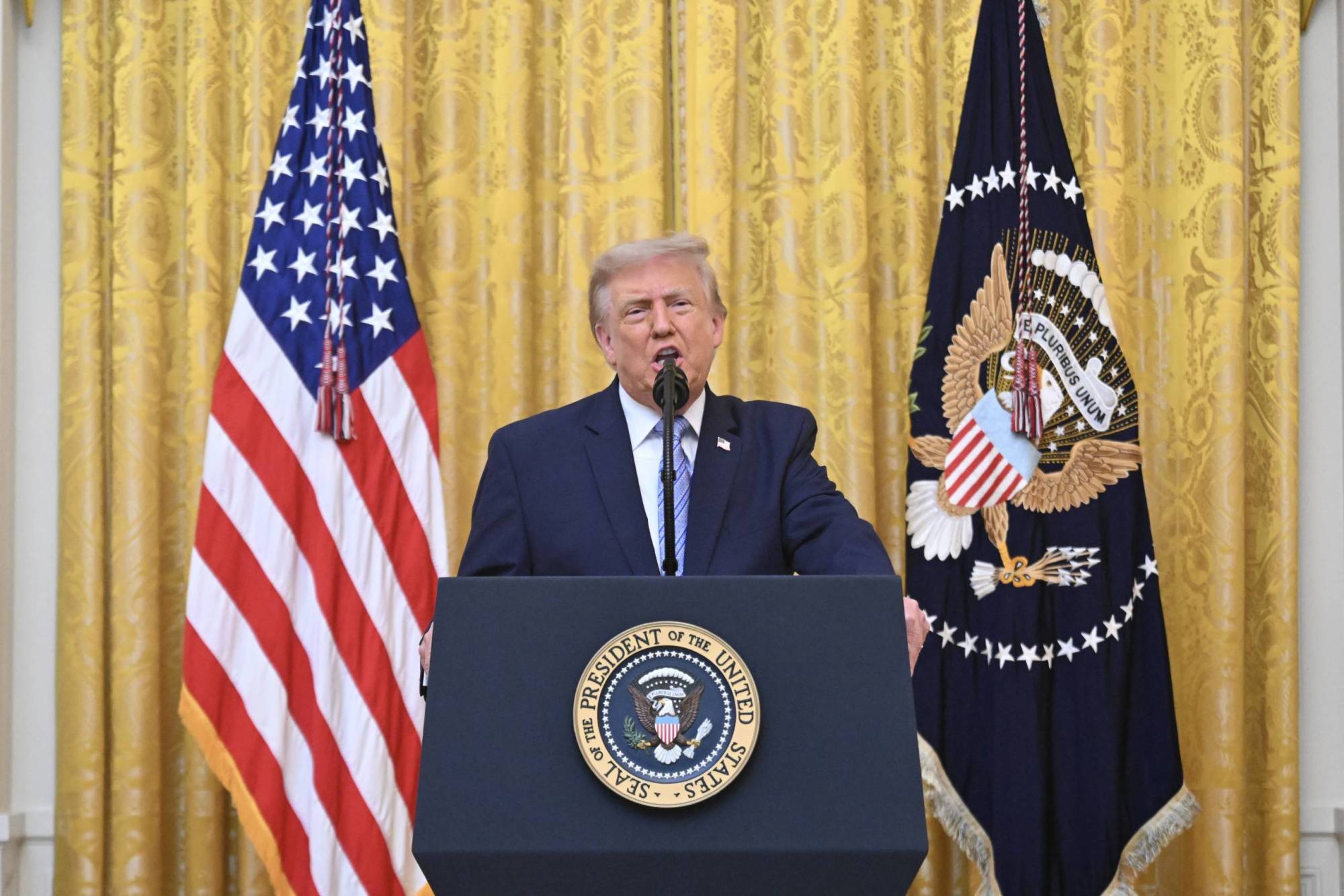
“Those together are the biggest change in school policy since at least the early 1990s,” said professor Doug Harris, the director of the National Center for Research on Education Access and Choice at Tulane University. “The idea of open access or universal access to schools is upended. Public education has always involved some public governance, and this eliminates [that].”
Valant called the universal private school choice policies, adopted by more than half of U.S. states, not including California, “intentionally hostile to public schools.”
While the federal government has suggested that school choice increases competition and will improve public schools, Valant and others worry it will siphon funds away from the public system and toward schools that are able to select which students they serve — and often teach religious material.
The Trump administration has also threatened to withhold federal dollars from school districts that teach about diversity, equity and inclusion, or promote policies that protect transgender students.
In June, the Department of Education launched compliance reviews into SFUSD and three Monterey County school districts over their policies and materials related to gender identity and sexual orientation.
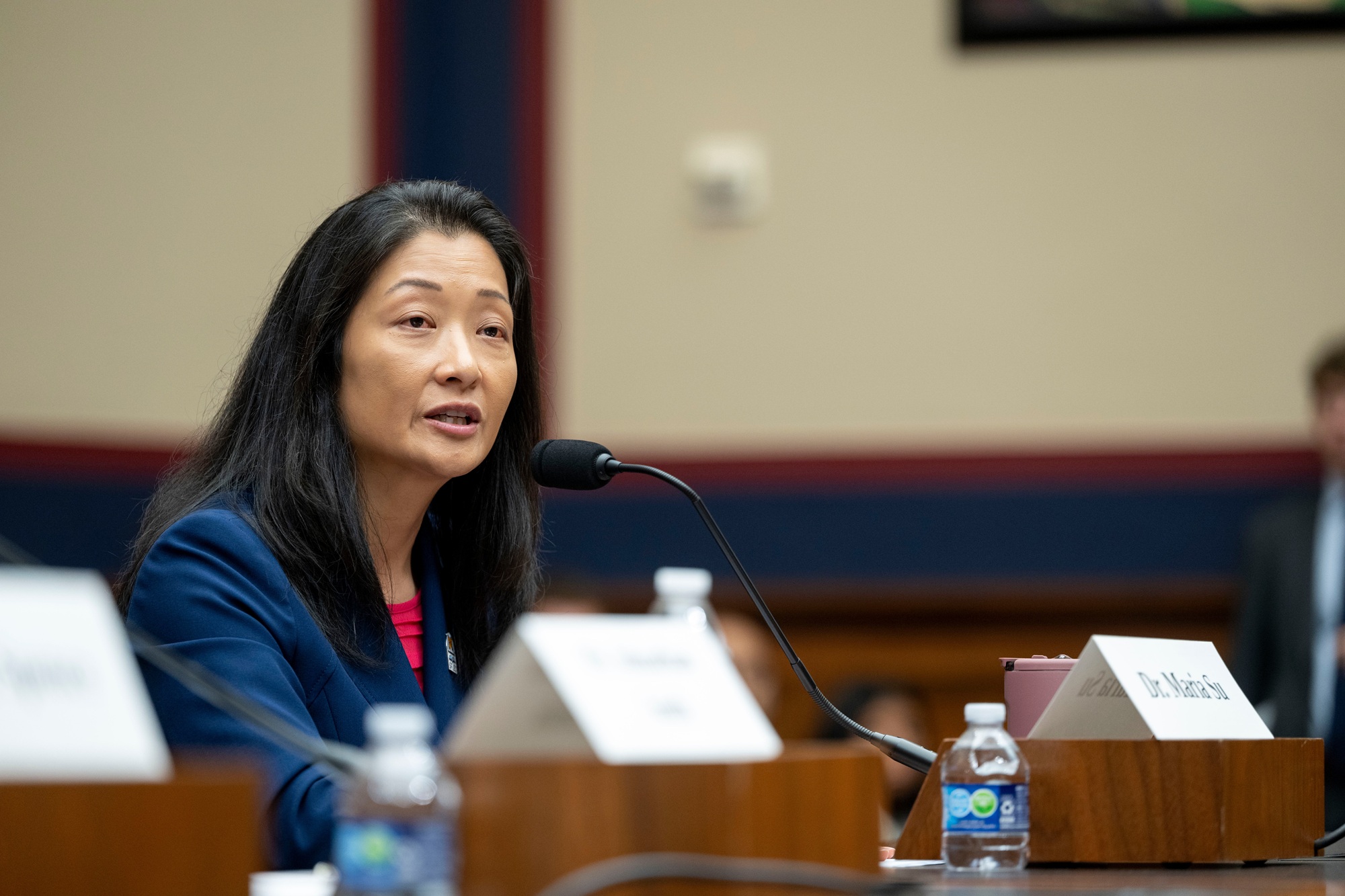
Later that month, San Francisco Superintendent Su was called to testify before Congress about parental rights and “inappropriate” course curriculum.
All of that adds up to a current moment that Marsh described as an attack on public education and democracy at large, adding that voting is essential to maintain those institutions.
“A democracy that focuses on the common good … actually requires people to look out for other kids, not just their own families,” she said.
“School boards are one of our few local institutions that are both defending democracy and public education,” she said. “The federal government can’t do anything about our boards — the school board system is well established, and I think we need to defend that.”