In This North Bay Assembly Race, Big Tech and Labor Battle It Out

On a recent Saturday morning, Jackie Elward stood in a park facing dozens of volunteer canvassers, most of them union members, from sheet metal workers to school support staff.
They grabbed coffee and campaign flyers, preparing to knock on doors and persuade voters to elect Elward to the state Assembly to represent this North Bay district.
Before they fanned out, Elward reminded them what was at stake.
She said the race is about workers versus corporations. “We know that they are coming to steal our job[s], to make sure that people are out of jobs,” she said. “But guess what? We are not going to allow a billionaire to take over what we have built for so many years.”
Elward, 47, is a labor organizer, educator and member of the Rohnert Park City Council who became the first Black woman elected to the council in 2020. She raised three children in the district with her husband after immigrating from the Democratic Republic of the Congo in 2003.
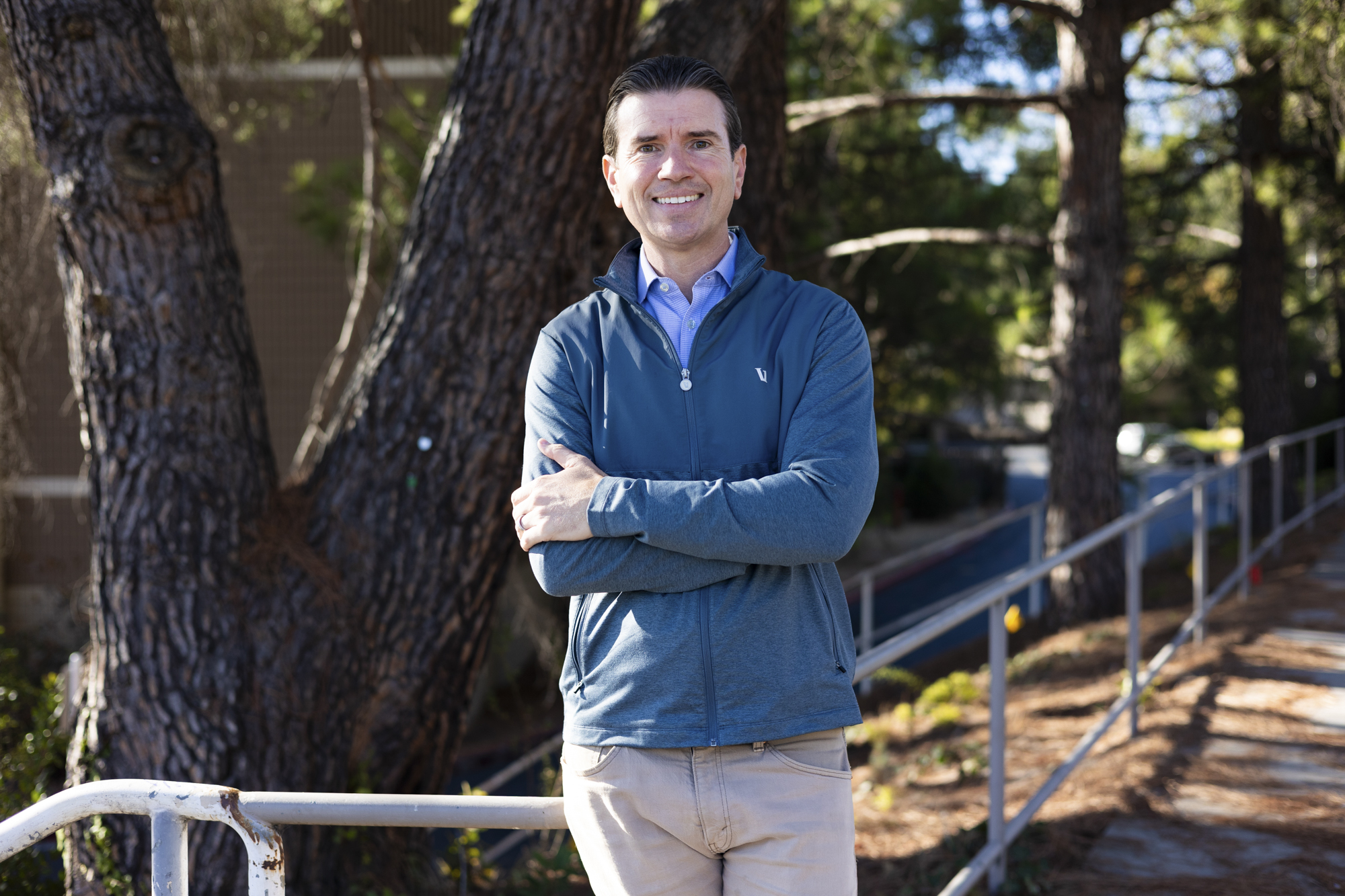
Her pitch to voters is straightforward: She’s the labor candidate fighting for working families, running against steep spending by tech special interests. Her opponent, Marin County Supervisor Eric Lucan, is the main beneficiary of that money in this race. Both are Democrats.
“We know that the crypto billionaires’ … priority [is] to elect [a] candidate that they can bring to Sacramento in order to push their agenda,” Elward said. “One of the crystal-clear examples is my race.”
Across California, tech special interests are pouring money into legislative races at levels far above past elections, political analysts say. Two super PACs, Grow California and California Leads, have spent more than $34 million on downballot competitions this year. Grow California is financed by billionaire Chris Larsen, co-founder of the crypto firm Ripple, and billionaire Tim Draper, a venture capitalist and bitcoin investor. California Leads is funded mostly by Meta and Google.
In the North Bay’s Assembly District 12, Grow California has spent nearly $3 million so far opposing Elward and supporting Lucan. Elsewhere, the two super PACs are backing mostly moderate, business-friendly candidates in 16 other legislative races, the bulk of them in Southern California.

Political analysts see it as part of a broader fight for power in Sacramento between business and labor interests, which traditionally spend millions every cycle.
“What you are seeing is an attempt to moderate on the margins many of the potential members that could come into the Assembly and the Senate that would be perceived as too far one way or another,” said David McCuan, a political science professor at Sonoma State University. “They’re pushing these large [independent expenditure] campaigns that are essentially blowing off the doors of any previous level of finance.”
Larsen rejected the idea that this can be boiled down to a business-versus-labor struggle.
“We’re looking for problem solvers,” he told KQED’s Political Breakdown on Thursday. “I don’t even like to use the word ‘moderate.’ That just sounds like you’re doing too much.”
Rather, Larsen said, the millions of dollars in political spending this year aim to bring a different perspective to Sacramento, which he said has been dominated by unions that are not focusing on key issues such as housing, energy, the insurance crisis and education.
“We’re not trying to propose any sort of tech-specific things or crypto,” he said.
While labor and tech face off in the independent expenditure arena, both sides see a vital opening to maximize their influence in California’s Democratic-controlled Legislature: Given that the Trump administration has signaled a resistance to regulating artificial intelligence, the state is in a clear position to set the standards for the nation.
In the 2026 campaign’s final weeks, that outside spending battle is coming to a head in District 12 for a few reasons.
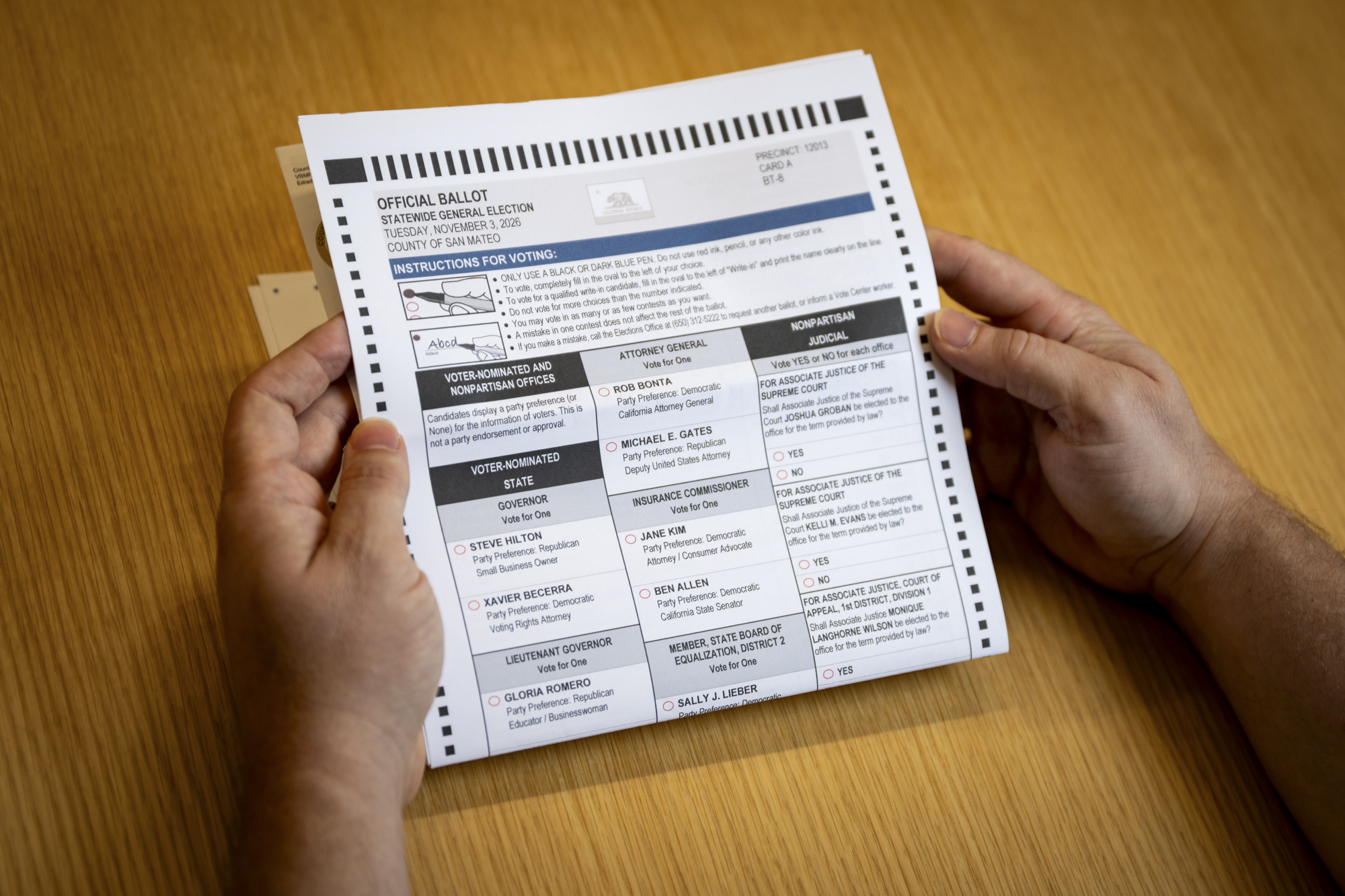
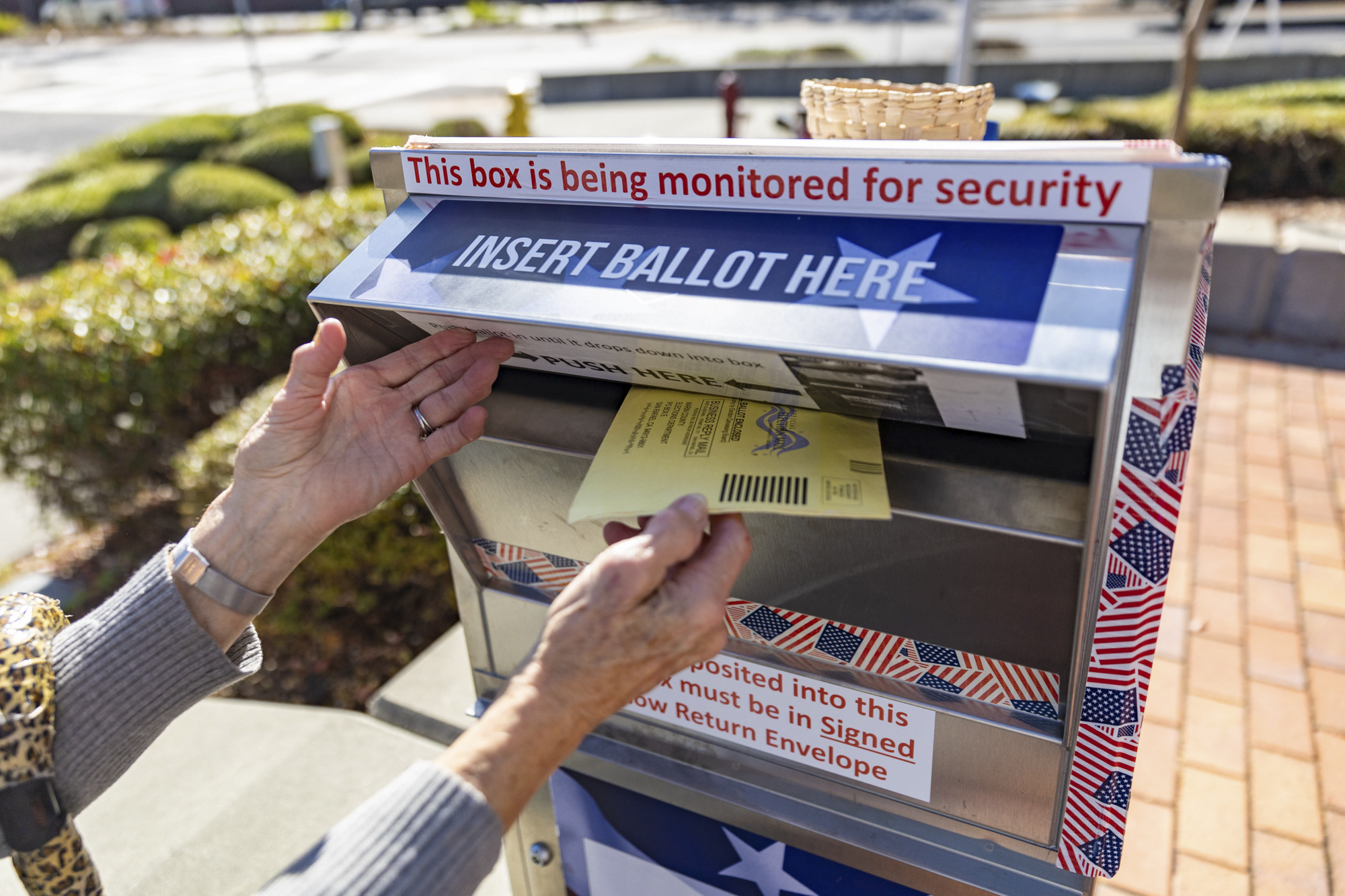
The district includes all of Marin County and almost half of Sonoma County, which have among the highest rates of voter turnout in the state. Winning over an engaged electorate is a better test for outside groups’ messaging.
The district is also seen as a bellwether for Sacramento.
“This district receives a lot more attention from outside groups because it’s seen as an important barometer of where the Legislature is going,” McCuan said. “It has often been a poster child of whether labor is pushing hard or whether more moderate interests are pushing hard.”
But against the backdrop of widespread discontent on tech over AI, data centers and Flock cameras, McCuan said voters have grown more suspicious of the industry’s political spending than of spending by traditional business groups.
“Big Tech has joined Big Pharma, Big Tobacco, Big Oil as one of those big bad boogeymen,” he said.
During the District 12 primary, business groups including the California Association of Realtors sent out a mailer with a cartoon depicting Elward with a drink in her hand, posing next to a camel and the pyramids of Giza. The ad accused her of using taxpayer money for travel and hotels, a reference to a 2022 U.N. climate conference in Egypt that she attended as part of a Sonoma County delegation while serving as Rohnert Park’s mayor.

“We have outside money trying to influence my constituents’ votes by lying to them, purposely lying to them, twisting the truth,” Elward said. “When they thought that wasn’t enough, they went full-on racist.”
McCuan said the negative attacks may have actually boosted Elward into second place in the June primary. Lucan finished first with 28.3% of the vote, ahead of Elward’s 22.6%.
“General business interests are often caged in a more moderate tone in terms of the language that they’re using and the messages they’re using, and that has a different effect on the electorate,” McCuan said. “There was a bit of a backlash, and she ekes through and moves forward in a primary where otherwise you would not have forecast that at all.”
The attack ads, including others funded by Grow California, may have also drawn more labor money into the race. Union-backed PACs sharply increased their spending for Elward after the negative ads began.
Californians United for Progress, a super PAC funded by heavy hitters including the California Labor Federation, SEIU California and the California Teachers Association, spent roughly $240,000 in the primary. Since then, it has spent $1.1 million.
“White-collar and blue-collar labor are sometimes at odds,” McCuan said. “But in this particular race, they’re pushing back, united against those interests that are really driven on the negative IE side by crypto.”
Still, years in Marin politics provide Lucan, 45, with name recognition and connections that give him an edge in the race. He grew up in Marin and is now raising his three kids there.
He was a registered Republican in college but became a Democrat in 2011 after his election to the Novato City Council. He served there, including three terms as mayor, until winning a seat on the Marin County Board of Supervisors in 2022. He and his wife own a fitness studio in San Francisco.
Like Larsen, Lucan said the race is not about labor versus business interests, pointing to his endorsements from the California Federation of Teachers and the California Nurses Association — both of which also endorsed Elward. He also has the backing of U.S. Sen. Adam Schiff, North Coast Rep. Jared Huffman and California YIMBY, along with chambers of commerce in Novato, San Rafael and Santa Rosa.
Elward is less well known in Marin but won more of Sonoma County’s vote in the primary. She also has the endorsement of the district’s incumbent Assemblymember Damon Connolly, who is termed out and running for state Senate.
For his part, Lucan disavowed all outside special interests. State law bars candidates from coordinating with independent expenditure committees, so he can’t control how they spend. He did, however, release a statement calling on PACs on both sides — whether they’re funded by “oligarchs, tech billionaires, trial lawyers, crypto, AI, labor groups, developers” — to stop spending in the race.
“When it is completely dwarfing what candidates have built over a 16-month period of time, and especially when it starts going negative, our democracy and our district deserves better,” he said.
In response to all the tech spending this cycle, an Oakland nonprofit called TechEquity Action launched a $1 million ad campaign to spotlight the influence of Big Tech money. It’s targeting four districts, including Assembly District 12, where it expects tech to focus its cash in the final stretch before Election Day.
“We think it’s an emergency that they not be allowed to fly under the radar,” said Catherine Bracy, founder of TechEquity Action. “If they’re going to spend this money to influence legislation … the public should know about it.”
On voters’ doorsteps, though, outside spending rarely comes up.

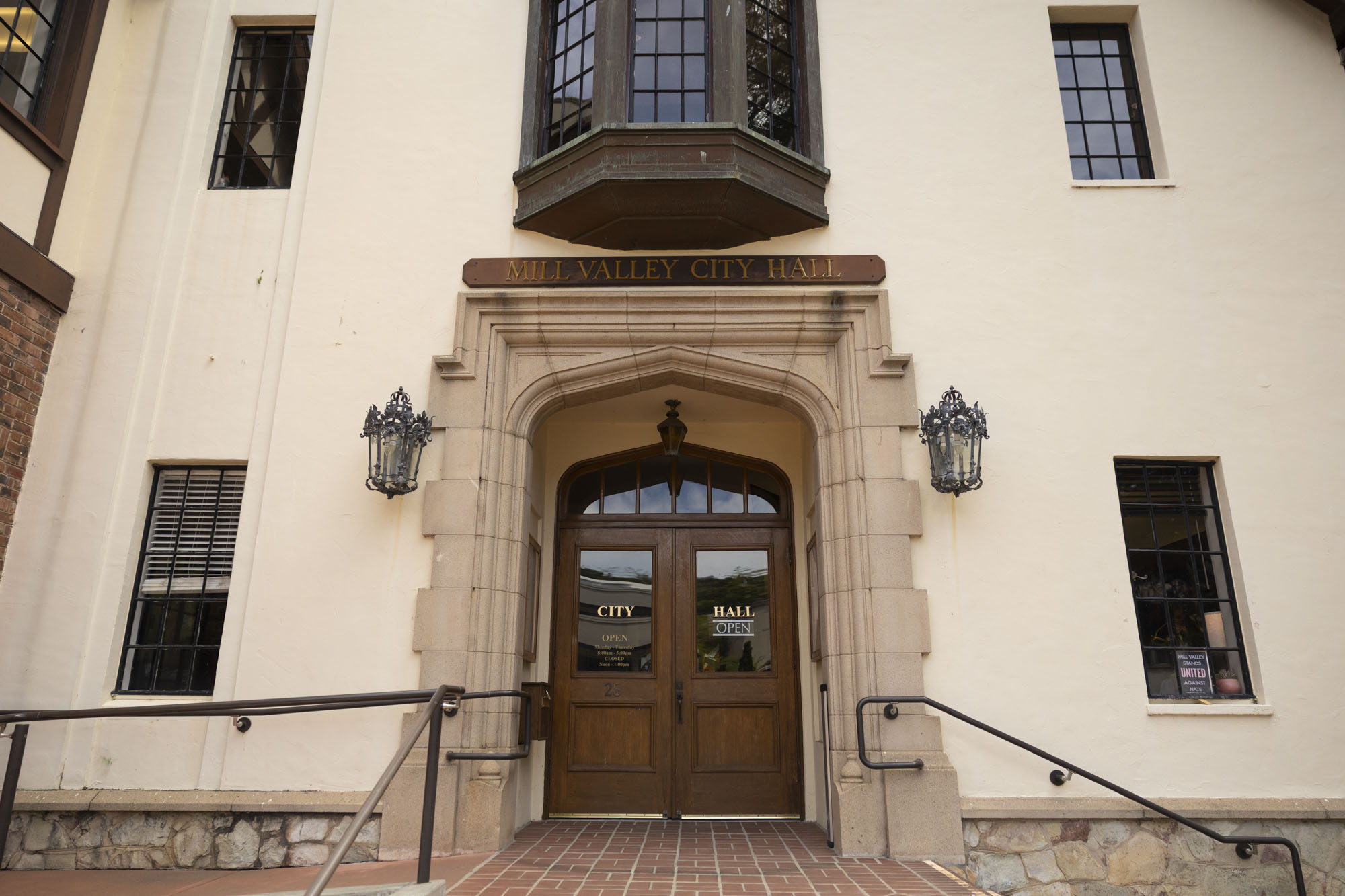
As Lucan knocks on doors in Mill Valley, he focuses his message on affordability. That lands with residents like Cathy Danzeisan, who said her biggest concern right now is affording an electric water heater to replace her gas one as the state pushes homeowners to electrify.
“We need subsidies for low-income homeowners,” she said. “Nobody seems to be coming forward to help us. I can’t even afford to change the breaker box.”
The 64-year-old lives on Social Security, keeping her one-bedroom home cold in the winter to save on gas bills. For voters like her, the question isn’t who’s spending in this race. It’s about who can bring prices down.
But the outside influence from Silicon Valley may eventually become hard to ignore.
“Even when we account for inflation, and we have apples-to-apples in terms of campaign spending, it is way more than what we have seen in the past,” McCuan said.
Win or lose this November, Larsen plans to continue spending in California’s legislative races.
“We’ve got to stay at it,” he said. “Why is SEIU so successful? And I mean that with respect to them. It’s because they show up over and over.”
That could make 2026 a test run, with even greater spending to come in 2028.
KQED’s Marisa Lagos contributed to this report.
Oct. 16: An earlier version of this story said Grow California funded a mailer with a cartoon depicting Jackie Elward next to a camel and the pyramids of Giza. The ad was funded by business groups, including the California Association of Realtors.