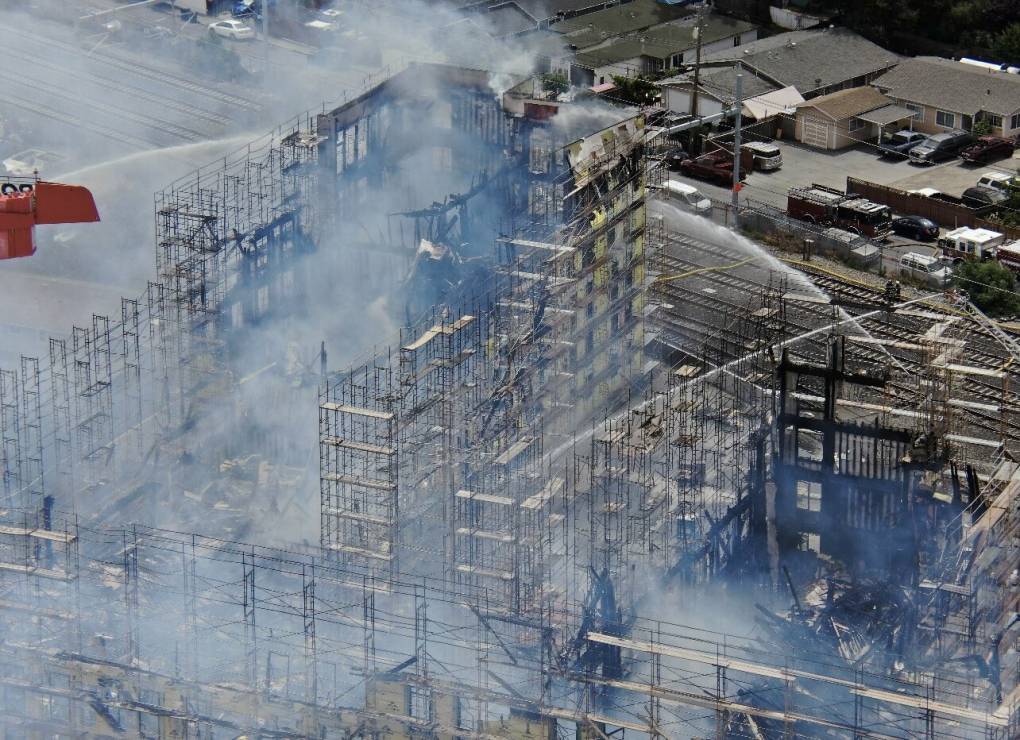
After 8 Months, No Clear Cause for Fire That Razed Affordable Housing Construction
Affordable Housing Building Near Redwood City Will Be Rebuilt After Fire
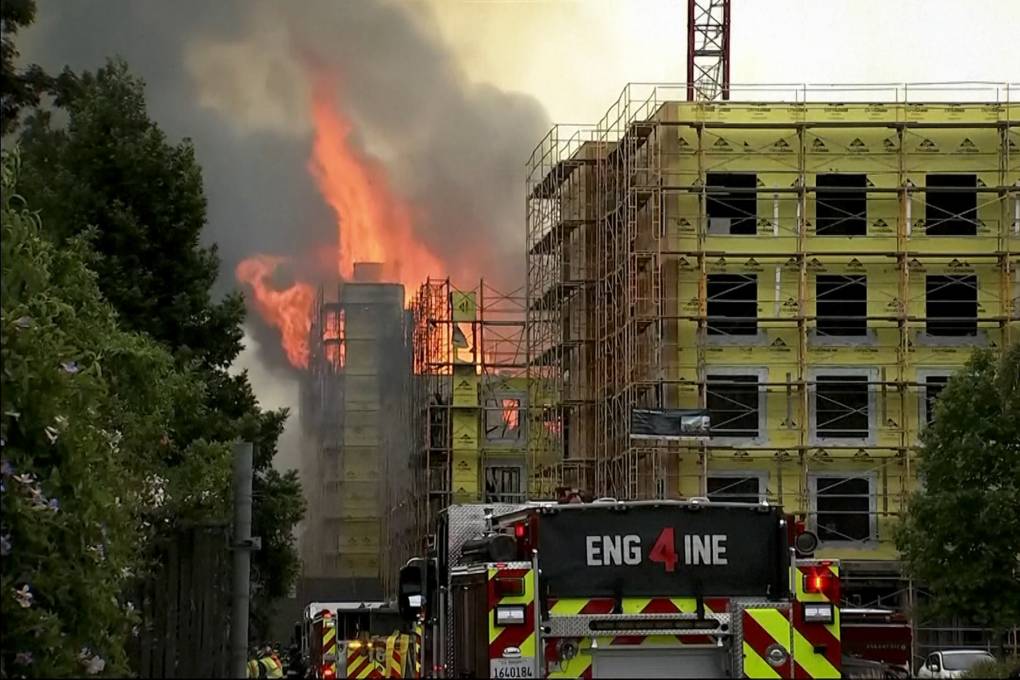
Massive Fire Destroys Affordable Housing Construction Near Redwood City
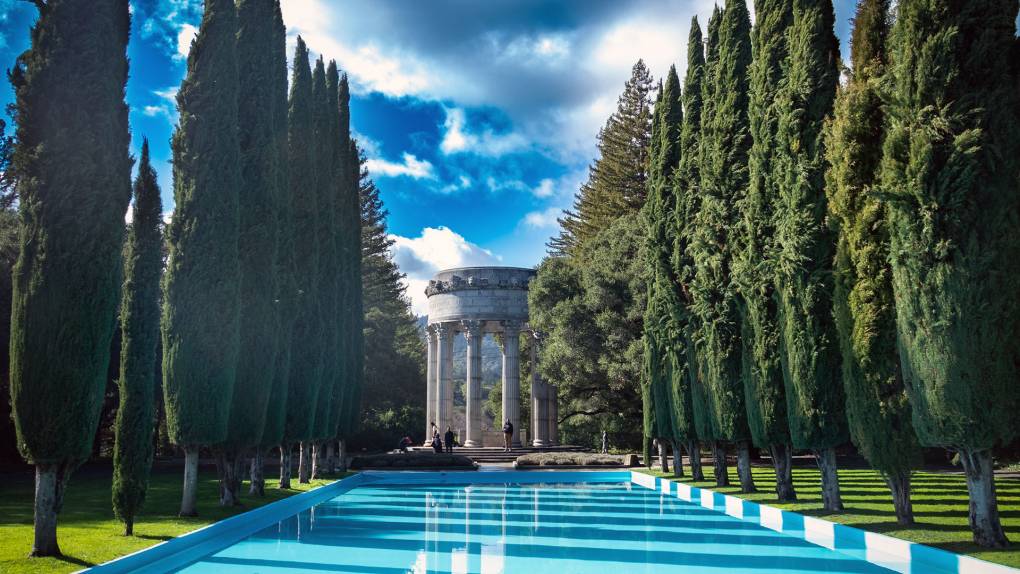
Triumph or Insult? The Complicated Legacy of the Bay Area's Water Temples
These 4 Bay Area Cities Could See Rent Control Measures on the 2024 Ballot
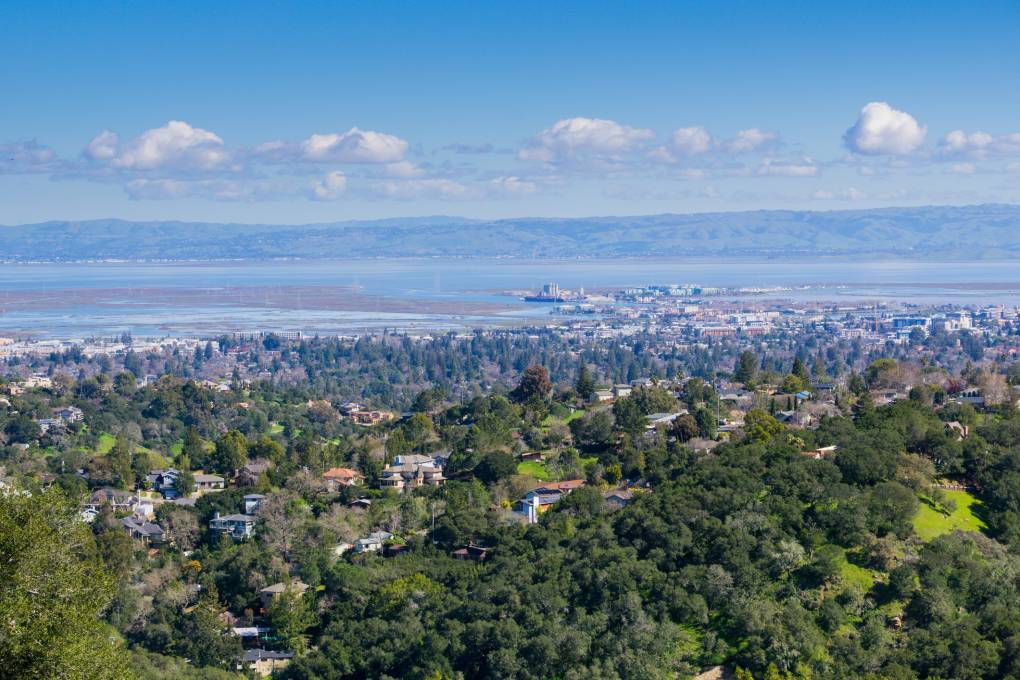
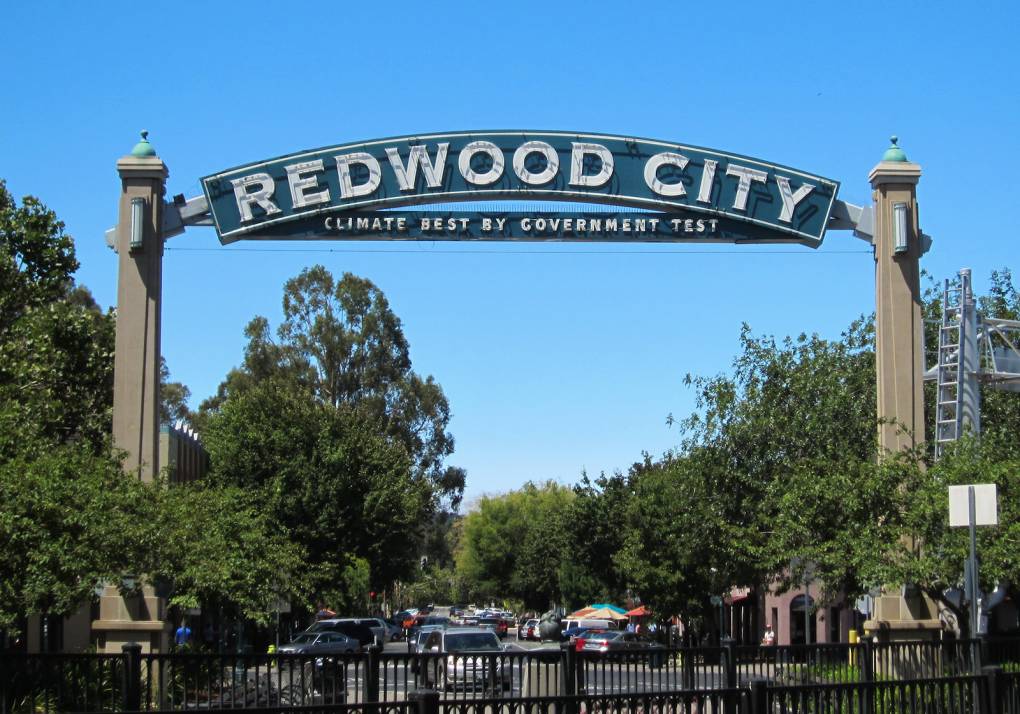
Can Redwood City Really Boast "Climate Best by Government Test"? Yes and No
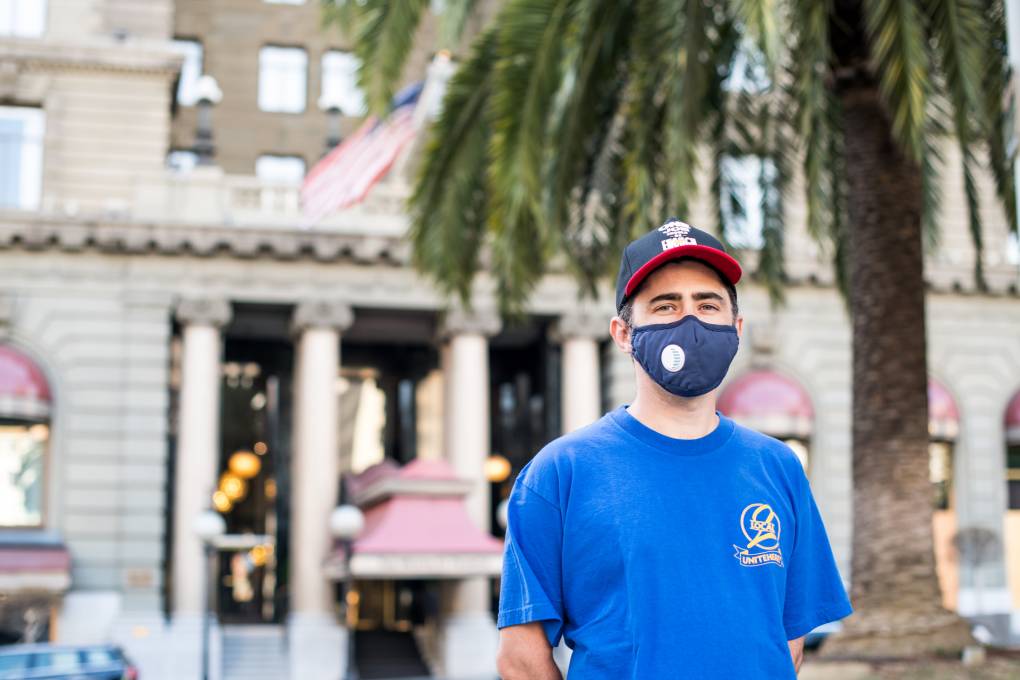
Over Half of Hospitality Workers Lose Their Jobs in San Francisco Area
New Bay Area Parents Adapt to Changing Birth Landscape Under COVID-19
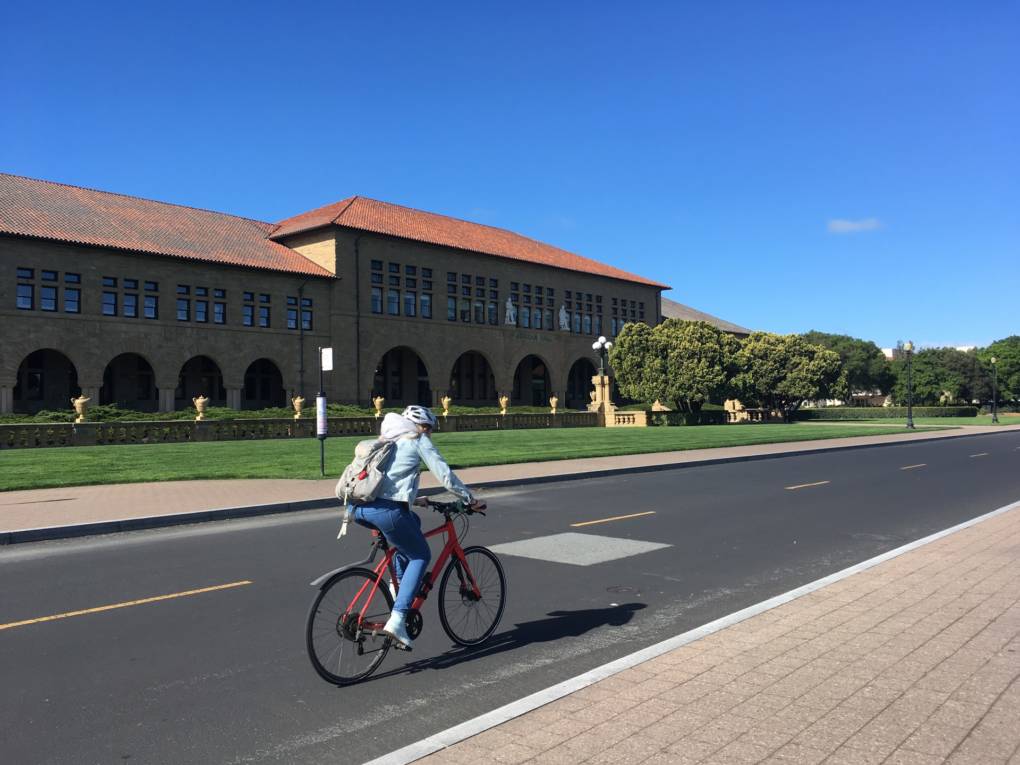
How Stanford Came to Dominate the Landscape in Silicon Valley
Sponsored
Player sponsored by
window.__IS_SSR__=true
window.__INITIAL_STATE__={
"attachmentsReducer": {
"audio_0": {
"type": "attachments",
"id": "audio_0",
"imgSizes": {
"kqedFullSize": {
"file": "https://ww2.kqed.org/news/wp-content/themes/KQED-unified/img/audio_bgs/background0.jpg"
}
}
},
"audio_1": {
"type": "attachments",
"id": "audio_1",
"imgSizes": {
"kqedFullSize": {
"file": "https://ww2.kqed.org/news/wp-content/themes/KQED-unified/img/audio_bgs/background1.jpg"
}
}
},
"audio_2": {
"type": "attachments",
"id": "audio_2",
"imgSizes": {
"kqedFullSize": {
"file": "https://ww2.kqed.org/news/wp-content/themes/KQED-unified/img/audio_bgs/background2.jpg"
}
}
},
"audio_3": {
"type": "attachments",
"id": "audio_3",
"imgSizes": {
"kqedFullSize": {
"file": "https://ww2.kqed.org/news/wp-content/themes/KQED-unified/img/audio_bgs/background3.jpg"
}
}
},
"audio_4": {
"type": "attachments",
"id": "audio_4",
"imgSizes": {
"kqedFullSize": {
"file": "https://ww2.kqed.org/news/wp-content/themes/KQED-unified/img/audio_bgs/background4.jpg"
}
}
},
"placeholder": {
"type": "attachments",
"id": "placeholder",
"imgSizes": {
"thumbnail": {
"file": "https://cdn.kqed.org/wp-content/uploads/2024/12/KQED-Default-Image-816638274-2000x1333-1-160x107.jpg",
"width": 160,
"height": 107,
"mimeType": "image/jpeg"
},
"medium": {
"file": "https://cdn.kqed.org/wp-content/uploads/2024/12/KQED-Default-Image-816638274-2000x1333-1-800x533.jpg",
"width": 800,
"height": 533,
"mimeType": "image/jpeg"
},
"medium_large": {
"file": "https://cdn.kqed.org/wp-content/uploads/2024/12/KQED-Default-Image-816638274-2000x1333-1-768x512.jpg",
"width": 768,
"height": 512,
"mimeType": "image/jpeg"
},
"large": {
"file": "https://cdn.kqed.org/wp-content/uploads/2024/12/KQED-Default-Image-816638274-2000x1333-1-1020x680.jpg",
"width": 1020,
"height": 680,
"mimeType": "image/jpeg"
},
"1536x1536": {
"file": "https://cdn.kqed.org/wp-content/uploads/2024/12/KQED-Default-Image-816638274-2000x1333-1-1536x1024.jpg",
"width": 1536,
"height": 1024,
"mimeType": "image/jpeg"
},
"fd-lrg": {
"file": "https://cdn.kqed.org/wp-content/uploads/2024/12/KQED-Default-Image-816638274-2000x1333-1-1536x1024.jpg",
"width": 1536,
"height": 1024,
"mimeType": "image/jpeg"
},
"fd-med": {
"file": "https://cdn.kqed.org/wp-content/uploads/2024/12/KQED-Default-Image-816638274-2000x1333-1-1020x680.jpg",
"width": 1020,
"height": 680,
"mimeType": "image/jpeg"
},
"fd-sm": {
"file": "https://cdn.kqed.org/wp-content/uploads/2024/12/KQED-Default-Image-816638274-2000x1333-1-800x533.jpg",
"width": 800,
"height": 533,
"mimeType": "image/jpeg"
},
"post-thumbnail": {
"file": "https://cdn.kqed.org/wp-content/uploads/2024/12/KQED-Default-Image-816638274-2000x1333-1-672x372.jpg",
"width": 672,
"height": 372,
"mimeType": "image/jpeg"
},
"twentyfourteen-full-width": {
"file": "https://cdn.kqed.org/wp-content/uploads/2024/12/KQED-Default-Image-816638274-2000x1333-1-1038x576.jpg",
"width": 1038,
"height": 576,
"mimeType": "image/jpeg"
},
"xxsmall": {
"file": "https://cdn.kqed.org/wp-content/uploads/2024/12/KQED-Default-Image-816638274-2000x1333-1-160x107.jpg",
"width": 160,
"height": 107,
"mimeType": "image/jpeg"
},
"xsmall": {
"file": "https://cdn.kqed.org/wp-content/uploads/2024/12/KQED-Default-Image-816638274-2000x1333-1-672x372.jpg",
"width": 672,
"height": 372,
"mimeType": "image/jpeg"
},
"small": {
"file": "https://cdn.kqed.org/wp-content/uploads/2024/12/KQED-Default-Image-816638274-2000x1333-1-672x372.jpg",
"width": 672,
"height": 372,
"mimeType": "image/jpeg"
},
"xlarge": {
"file": "https://cdn.kqed.org/wp-content/uploads/2024/12/KQED-Default-Image-816638274-2000x1333-1-1020x680.jpg",
"width": 1020,
"height": 680,
"mimeType": "image/jpeg"
},
"full-width": {
"file": "https://cdn.kqed.org/wp-content/uploads/2024/12/KQED-Default-Image-816638274-2000x1333-1-1920x1280.jpg",
"width": 1920,
"height": 1280,
"mimeType": "image/jpeg"
},
"guest-author-32": {
"file": "https://cdn.kqed.org/wp-content/uploads/2025/01/KQED-Default-Image-816638274-1333x1333-1-160x160.jpg",
"width": 32,
"height": 32,
"mimeType": "image/jpeg"
},
"guest-author-50": {
"file": "https://cdn.kqed.org/wp-content/uploads/2025/01/KQED-Default-Image-816638274-1333x1333-1-160x160.jpg",
"width": 50,
"height": 50,
"mimeType": "image/jpeg"
},
"guest-author-64": {
"file": "https://cdn.kqed.org/wp-content/uploads/2025/01/KQED-Default-Image-816638274-1333x1333-1-160x160.jpg",
"width": 64,
"height": 64,
"mimeType": "image/jpeg"
},
"guest-author-96": {
"file": "https://cdn.kqed.org/wp-content/uploads/2025/01/KQED-Default-Image-816638274-1333x1333-1-160x160.jpg",
"width": 96,
"height": 96,
"mimeType": "image/jpeg"
},
"guest-author-128": {
"file": "https://cdn.kqed.org/wp-content/uploads/2025/01/KQED-Default-Image-816638274-1333x1333-1-160x160.jpg",
"width": 128,
"height": 128,
"mimeType": "image/jpeg"
},
"detail": {
"file": "https://cdn.kqed.org/wp-content/uploads/2025/01/KQED-Default-Image-816638274-1333x1333-1-160x160.jpg",
"width": 160,
"height": 160,
"mimeType": "image/jpeg"
},
"kqedFullSize": {
"file": "https://cdn.kqed.org/wp-content/uploads/2024/12/KQED-Default-Image-816638274-2000x1333-1.jpg",
"width": 2000,
"height": 1333
}
}
},
"news_12026074": {
"type": "attachments",
"id": "news_12026074",
"meta": {
"index": "attachments_1716263798",
"site": "news",
"id": "12026074",
"found": true
},
"title": "MPFD0580",
"publishDate": 1738885957,
"status": "inherit",
"parent": 0,
"modified": 1738886389,
"caption": "The cause of a massive fire last year at an affordable housing complex that was under construction near Redwood City is undetermined, fire officials said after finishing their investigation.",
"credit": "Courtesy of Menlo Park Fire Protection District",
"altTag": null,
"description": null,
"imgSizes": {
"medium": {
"file": "https://cdn.kqed.org/wp-content/uploads/sites/10/2025/02/MPFD0580-800x533.jpg",
"width": 800,
"height": 533,
"mimeType": "image/jpeg"
},
"large": {
"file": "https://cdn.kqed.org/wp-content/uploads/sites/10/2025/02/MPFD0580-1020x680.jpg",
"width": 1020,
"height": 680,
"mimeType": "image/jpeg"
},
"thumbnail": {
"file": "https://cdn.kqed.org/wp-content/uploads/sites/10/2025/02/MPFD0580-160x107.jpg",
"width": 160,
"height": 107,
"mimeType": "image/jpeg"
},
"1536x1536": {
"file": "https://cdn.kqed.org/wp-content/uploads/sites/10/2025/02/MPFD0580-1536x1024.jpg",
"width": 1536,
"height": 1024,
"mimeType": "image/jpeg"
},
"post-thumbnail": {
"file": "https://cdn.kqed.org/wp-content/uploads/sites/10/2025/02/MPFD0580-672x372.jpg",
"width": 672,
"height": 372,
"mimeType": "image/jpeg"
},
"twentyfourteen-full-width": {
"file": "https://cdn.kqed.org/wp-content/uploads/sites/10/2025/02/MPFD0580-1038x576.jpg",
"width": 1038,
"height": 576,
"mimeType": "image/jpeg"
},
"full-width": {
"file": "https://cdn.kqed.org/wp-content/uploads/sites/10/2025/02/MPFD0580-1920x1280.jpg",
"width": 1920,
"height": 1280,
"mimeType": "image/jpeg"
},
"kqedFullSize": {
"file": "https://cdn.kqed.org/wp-content/uploads/sites/10/2025/02/MPFD0580.jpg",
"width": 2000,
"height": 1333
}
},
"fetchFailed": false,
"isLoading": false
},
"news_11989035": {
"type": "attachments",
"id": "news_11989035",
"meta": {
"index": "attachments_1716263798",
"site": "news",
"id": "11989035",
"found": true
},
"title": "Redwood City Fire 3_qut",
"publishDate": 1717566669,
"status": "inherit",
"parent": 11989028,
"modified": 1717607987,
"caption": "The aftermath of the fire that destroyed part of an affordable housing project under construction at 2700 block of Middlefield Road in North Fair Oaks.",
"credit": "Courtesy of San Mateo County Sheriff's Office",
"altTag": null,
"description": null,
"imgSizes": {
"medium": {
"file": "https://cdn.kqed.org/wp-content/uploads/sites/10/2024/06/Redwood-City-Fire-3_qut-800x581.jpg",
"width": 800,
"height": 581,
"mimeType": "image/jpeg"
},
"large": {
"file": "https://cdn.kqed.org/wp-content/uploads/sites/10/2024/06/Redwood-City-Fire-3_qut-1020x740.jpg",
"width": 1020,
"height": 740,
"mimeType": "image/jpeg"
},
"thumbnail": {
"file": "https://cdn.kqed.org/wp-content/uploads/sites/10/2024/06/Redwood-City-Fire-3_qut-160x116.jpg",
"width": 160,
"height": 116,
"mimeType": "image/jpeg"
},
"post-thumbnail": {
"file": "https://cdn.kqed.org/wp-content/uploads/sites/10/2024/06/Redwood-City-Fire-3_qut-672x372.jpg",
"width": 672,
"height": 372,
"mimeType": "image/jpeg"
},
"twentyfourteen-full-width": {
"file": "https://cdn.kqed.org/wp-content/uploads/sites/10/2024/06/Redwood-City-Fire-3_qut-1038x576.jpg",
"width": 1038,
"height": 576,
"mimeType": "image/jpeg"
},
"kqedFullSize": {
"file": "https://cdn.kqed.org/wp-content/uploads/sites/10/2024/06/Redwood-City-Fire-3_qut.jpg",
"width": 1284,
"height": 932
}
},
"fetchFailed": false,
"isLoading": false
},
"news_11988752": {
"type": "attachments",
"id": "news_11988752",
"meta": {
"index": "attachments_1716263798",
"site": "news",
"id": "11988752",
"found": true
},
"title": "AP5284803767.00_00_12_27.STILL001-KQED",
"publishDate": 1717445760,
"status": "inherit",
"parent": 0,
"modified": 1717445888,
"caption": "A fire burns at a six-story building under construction in Redwood City on June 3, 2024.",
"credit": "KGO via AP",
"altTag": null,
"description": null,
"imgSizes": {
"medium": {
"file": "https://cdn.kqed.org/wp-content/uploads/sites/10/2024/06/AP5284803767.00_00_12_27.STILL001-KQED-800x533.jpg",
"width": 800,
"height": 533,
"mimeType": "image/jpeg"
},
"large": {
"file": "https://cdn.kqed.org/wp-content/uploads/sites/10/2024/06/AP5284803767.00_00_12_27.STILL001-KQED-1020x680.jpg",
"width": 1020,
"height": 680,
"mimeType": "image/jpeg"
},
"thumbnail": {
"file": "https://cdn.kqed.org/wp-content/uploads/sites/10/2024/06/AP5284803767.00_00_12_27.STILL001-KQED-160x107.jpg",
"width": 160,
"height": 107,
"mimeType": "image/jpeg"
},
"1536x1536": {
"file": "https://cdn.kqed.org/wp-content/uploads/sites/10/2024/06/AP5284803767.00_00_12_27.STILL001-KQED-1536x1024.jpg",
"width": 1536,
"height": 1024,
"mimeType": "image/jpeg"
},
"post-thumbnail": {
"file": "https://cdn.kqed.org/wp-content/uploads/sites/10/2024/06/AP5284803767.00_00_12_27.STILL001-KQED-672x372.jpg",
"width": 672,
"height": 372,
"mimeType": "image/jpeg"
},
"twentyfourteen-full-width": {
"file": "https://cdn.kqed.org/wp-content/uploads/sites/10/2024/06/AP5284803767.00_00_12_27.STILL001-KQED-1038x576.jpg",
"width": 1038,
"height": 576,
"mimeType": "image/jpeg"
},
"full-width": {
"file": "https://cdn.kqed.org/wp-content/uploads/sites/10/2024/06/AP5284803767.00_00_12_27.STILL001-KQED-1920x1280.jpg",
"width": 1920,
"height": 1280,
"mimeType": "image/jpeg"
},
"kqedFullSize": {
"file": "https://cdn.kqed.org/wp-content/uploads/sites/10/2024/06/AP5284803767.00_00_12_27.STILL001-KQED.jpg",
"width": 2000,
"height": 1333
}
},
"fetchFailed": false,
"isLoading": false
},
"news_11972164": {
"type": "attachments",
"id": "news_11972164",
"meta": {
"index": "attachments_1716263798",
"site": "news",
"id": "11972164",
"found": true
},
"parent": 11972095,
"imgSizes": {
"twentyfourteen-full-width": {
"file": "https://cdn.kqed.org/wp-content/uploads/sites/10/2024/01/Pulgas-water-temple-redwood-city-1038x576.jpg",
"width": 1038,
"mimeType": "image/jpeg",
"height": 576
},
"thumbnail": {
"file": "https://cdn.kqed.org/wp-content/uploads/sites/10/2024/01/Pulgas-water-temple-redwood-city-160x90.jpg",
"width": 160,
"mimeType": "image/jpeg",
"height": 90
},
"post-thumbnail": {
"file": "https://cdn.kqed.org/wp-content/uploads/sites/10/2024/01/Pulgas-water-temple-redwood-city-672x372.jpg",
"width": 672,
"mimeType": "image/jpeg",
"height": 372
},
"kqedFullSize": {
"file": "https://cdn.kqed.org/wp-content/uploads/sites/10/2024/01/Pulgas-water-temple-redwood-city.jpg",
"width": 1920,
"height": 1080
},
"large": {
"file": "https://cdn.kqed.org/wp-content/uploads/sites/10/2024/01/Pulgas-water-temple-redwood-city-1020x574.jpg",
"width": 1020,
"mimeType": "image/jpeg",
"height": 574
},
"1536x1536": {
"file": "https://cdn.kqed.org/wp-content/uploads/sites/10/2024/01/Pulgas-water-temple-redwood-city-1536x864.jpg",
"width": 1536,
"mimeType": "image/jpeg",
"height": 864
},
"medium": {
"file": "https://cdn.kqed.org/wp-content/uploads/sites/10/2024/01/Pulgas-water-temple-redwood-city-800x450.jpg",
"width": 800,
"mimeType": "image/jpeg",
"height": 450
}
},
"publishDate": 1704908137,
"modified": 1704924987,
"caption": "For years, the Pulgas Water Temple in Redwood City has amazed visitors with its classical columns.",
"description": null,
"title": "Pulgas-water-temple-redwood-city",
"credit": "Navaneeth KN/\u003ca href=\"https://www.flickr.com/photos/navaneethkn/46779638882/in/photolist-2egKSRY-d5RJf-d5RKd-nq9AXi-nq9B4v-2cPuhph-2563Z3a-omRWK7-kAE9M-d5REq-QadY5F-hPo9iW-any7GD-any6XB-3a5eV9-anAUV3-5tq3yC-5PnAM6-5PnAta-5PnAVn-5tkEAz-5tkCHP-5tq2ZQ-5tkDeZ-any6FB-5tq3U1-5tq3EJ-5tq44C-5tkDwH-7Xmih8-4M6gPP-anAWpQ-anAUZh-5PnAji-5PnBaT-any6z8-anAWxU-any7Tk-anAUyq-anAWbW-Qae5bi-anAX1u-any8dp-5PrSXo-anAWA7-any8ic-any7UR-anAWTG-any8or-aAD3W\">Flickr\u003c/a>",
"status": "inherit",
"altTag": "A row of poplars line an aquamarine pool. At the end is a round, classical-looking building with columns.",
"fetchFailed": false,
"isLoading": false
},
"news_11970120": {
"type": "attachments",
"id": "news_11970120",
"meta": {
"index": "attachments_1716263798",
"site": "news",
"id": "11970120",
"found": true
},
"parent": 11970062,
"imgSizes": {
"twentyfourteen-full-width": {
"file": "https://cdn.kqed.org/wp-content/uploads/sites/10/2023/12/GettyImages-1092771432-1038x576.jpg",
"width": 1038,
"mimeType": "image/jpeg",
"height": 576
},
"thumbnail": {
"file": "https://cdn.kqed.org/wp-content/uploads/sites/10/2023/12/GettyImages-1092771432-160x107.jpg",
"width": 160,
"mimeType": "image/jpeg",
"height": 107
},
"post-thumbnail": {
"file": "https://cdn.kqed.org/wp-content/uploads/sites/10/2023/12/GettyImages-1092771432-672x372.jpg",
"width": 672,
"mimeType": "image/jpeg",
"height": 372
},
"kqedFullSize": {
"file": "https://cdn.kqed.org/wp-content/uploads/sites/10/2023/12/GettyImages-1092771432.jpg",
"width": 2121,
"height": 1414
},
"2048x2048": {
"file": "https://cdn.kqed.org/wp-content/uploads/sites/10/2023/12/GettyImages-1092771432-2048x1365.jpg",
"width": 2048,
"mimeType": "image/jpeg",
"height": 1365
},
"large": {
"file": "https://cdn.kqed.org/wp-content/uploads/sites/10/2023/12/GettyImages-1092771432-1020x680.jpg",
"width": 1020,
"mimeType": "image/jpeg",
"height": 680
},
"1536x1536": {
"file": "https://cdn.kqed.org/wp-content/uploads/sites/10/2023/12/GettyImages-1092771432-1536x1024.jpg",
"width": 1536,
"mimeType": "image/jpeg",
"height": 1024
},
"full-width": {
"file": "https://cdn.kqed.org/wp-content/uploads/sites/10/2023/12/GettyImages-1092771432-1920x1280.jpg",
"width": 1920,
"mimeType": "image/jpeg",
"height": 1280
},
"medium": {
"file": "https://cdn.kqed.org/wp-content/uploads/sites/10/2023/12/GettyImages-1092771432-800x533.jpg",
"width": 800,
"mimeType": "image/jpeg",
"height": 533
}
},
"publishDate": 1702674463,
"modified": 1702674524,
"caption": "An aerial view of Redwood City.",
"description": null,
"title": "Aerial view of Redwood City, Silicon Valley, San Francisco bay, California",
"credit": "Sundry Photography via Getty Images",
"status": "inherit",
"altTag": "An aerial view of a city, with a large body of water in the bakground.",
"fetchFailed": false,
"isLoading": false
},
"news_11890412": {
"type": "attachments",
"id": "news_11890412",
"meta": {
"index": "attachments_1716263798",
"site": "news",
"id": "11890412",
"found": true
},
"parent": 11889712,
"imgSizes": {
"twentyfourteen-full-width": {
"file": "https://ww2.kqed.org/app/uploads/sites/10/2021/09/7714839914_be59a06c0a_h-1038x576.jpg",
"width": 1038,
"mimeType": "image/jpeg",
"height": 576
},
"thumbnail": {
"file": "https://ww2.kqed.org/app/uploads/sites/10/2021/09/7714839914_be59a06c0a_h-160x112.jpg",
"width": 160,
"mimeType": "image/jpeg",
"height": 112
},
"post-thumbnail": {
"file": "https://ww2.kqed.org/app/uploads/sites/10/2021/09/7714839914_be59a06c0a_h-672x372.jpg",
"width": 672,
"mimeType": "image/jpeg",
"height": 372
},
"kqedFullSize": {
"file": "https://ww2.kqed.org/app/uploads/sites/10/2021/09/7714839914_be59a06c0a_h.jpg",
"width": 1600,
"height": 1120
},
"large": {
"file": "https://ww2.kqed.org/app/uploads/sites/10/2021/09/7714839914_be59a06c0a_h-1020x714.jpg",
"width": 1020,
"mimeType": "image/jpeg",
"height": 714
},
"1536x1536": {
"file": "https://ww2.kqed.org/app/uploads/sites/10/2021/09/7714839914_be59a06c0a_h-1536x1075.jpg",
"width": 1536,
"mimeType": "image/jpeg",
"height": 1075
},
"medium": {
"file": "https://ww2.kqed.org/app/uploads/sites/10/2021/09/7714839914_be59a06c0a_h-800x560.jpg",
"width": 800,
"mimeType": "image/jpeg",
"height": 560
}
},
"publishDate": 1632937541,
"modified": 1632949251,
"caption": "How did Redwood City fix on the slogan \"Climate Best by Government Test\"?",
"description": "A green arching sign with white lettering that says \"Redwood City Climate Best By Government Test\".",
"title": "7714839914_be59a06c0a_h",
"credit": "\u003ca href=\"https://www.flickr.com/photos/donbrr/7714839914/in/photolist-8QVzeP-iRbj2-2jHSXME-reZH4B-oz8PAd-51szs5-51onL4-51ooTn-51oo32-Vf41cu-51szE1-51okhB-51sx9f-51ooAr-51sxqq-BaGwqh-51okB4-81ENa4-7nWKRX-28AwUGF-28AwUzM-6wPYyM-2iw8kHk-qUKgW-cKJz8h-5yAQGL-6xcF5U-dBmjaN-6KVkhL-2UaKoG-aDRpt6-cKF3G-d5DLr-riKw-6za6b\">Don Barrett\u003c/a>/Flickr",
"status": "inherit",
"altTag": "A long sign across a leafy street that says \"Redwood City,\" with the famous slogan in smaller type beneath.",
"fetchFailed": false,
"isLoading": false
},
"news_11826140": {
"type": "attachments",
"id": "news_11826140",
"meta": {
"index": "attachments_1716263798",
"site": "news",
"id": "11826140",
"found": true
},
"parent": 11826034,
"imgSizes": {
"apple_news_ca_landscape_5_5": {
"file": "https://ww2.kqed.org/app/uploads/sites/10/2020/06/RS43811_003_KQED_SanFrancisco_NicholasJavier_06242020-qut-1044x783.jpg",
"width": 1044,
"mimeType": "image/jpeg",
"height": 783
},
"apple_news_ca_square_4_0": {
"file": "https://ww2.kqed.org/app/uploads/sites/10/2020/06/RS43811_003_KQED_SanFrancisco_NicholasJavier_06242020-qut-470x470.jpg",
"width": 470,
"mimeType": "image/jpeg",
"height": 470
},
"twentyfourteen-full-width": {
"file": "https://ww2.kqed.org/app/uploads/sites/10/2020/06/RS43811_003_KQED_SanFrancisco_NicholasJavier_06242020-qut-1038x576.jpg",
"width": 1038,
"mimeType": "image/jpeg",
"height": 576
},
"thumbnail": {
"file": "https://ww2.kqed.org/app/uploads/sites/10/2020/06/RS43811_003_KQED_SanFrancisco_NicholasJavier_06242020-qut-160x107.jpg",
"width": 160,
"mimeType": "image/jpeg",
"height": 107
},
"post-thumbnail": {
"file": "https://ww2.kqed.org/app/uploads/sites/10/2020/06/RS43811_003_KQED_SanFrancisco_NicholasJavier_06242020-qut-672x372.jpg",
"width": 672,
"mimeType": "image/jpeg",
"height": 372
},
"kqedFullSize": {
"file": "https://ww2.kqed.org/app/uploads/sites/10/2020/06/RS43811_003_KQED_SanFrancisco_NicholasJavier_06242020-qut.jpg",
"width": 1920,
"height": 1280
},
"apple_news_ca_landscape_4_7": {
"file": "https://ww2.kqed.org/app/uploads/sites/10/2020/06/RS43811_003_KQED_SanFrancisco_NicholasJavier_06242020-qut-632x474.jpg",
"width": 632,
"mimeType": "image/jpeg",
"height": 474
},
"large": {
"file": "https://ww2.kqed.org/app/uploads/sites/10/2020/06/RS43811_003_KQED_SanFrancisco_NicholasJavier_06242020-qut-1020x680.jpg",
"width": 1020,
"mimeType": "image/jpeg",
"height": 680
},
"apple_news_ca_landscape_4_0": {
"file": "https://ww2.kqed.org/app/uploads/sites/10/2020/06/RS43811_003_KQED_SanFrancisco_NicholasJavier_06242020-qut-536x402.jpg",
"width": 536,
"mimeType": "image/jpeg",
"height": 402
},
"apple_news_ca_portrait_12_9": {
"file": "https://ww2.kqed.org/app/uploads/sites/10/2020/06/RS43811_003_KQED_SanFrancisco_NicholasJavier_06242020-qut-1122x1280.jpg",
"width": 1122,
"mimeType": "image/jpeg",
"height": 1280
},
"medium": {
"file": "https://ww2.kqed.org/app/uploads/sites/10/2020/06/RS43811_003_KQED_SanFrancisco_NicholasJavier_06242020-qut-800x533.jpg",
"width": 800,
"mimeType": "image/jpeg",
"height": 533
},
"apple_news_ca_portrait_4_0": {
"file": "https://ww2.kqed.org/app/uploads/sites/10/2020/06/RS43811_003_KQED_SanFrancisco_NicholasJavier_06242020-qut-354x472.jpg",
"width": 354,
"mimeType": "image/jpeg",
"height": 472
},
"apple_news_ca_portrait_9_7": {
"file": "https://ww2.kqed.org/app/uploads/sites/10/2020/06/RS43811_003_KQED_SanFrancisco_NicholasJavier_06242020-qut-840x1120.jpg",
"width": 840,
"mimeType": "image/jpeg",
"height": 1120
},
"apple_news_ca_landscape_12_9": {
"file": "https://ww2.kqed.org/app/uploads/sites/10/2020/06/RS43811_003_KQED_SanFrancisco_NicholasJavier_06242020-qut-1832x1280.jpg",
"width": 1832,
"mimeType": "image/jpeg",
"height": 1280
},
"apple_news_ca_square_9_7": {
"file": "https://ww2.kqed.org/app/uploads/sites/10/2020/06/RS43811_003_KQED_SanFrancisco_NicholasJavier_06242020-qut-1104x1104.jpg",
"width": 1104,
"mimeType": "image/jpeg",
"height": 1104
},
"1536x1536": {
"file": "https://ww2.kqed.org/app/uploads/sites/10/2020/06/RS43811_003_KQED_SanFrancisco_NicholasJavier_06242020-qut-1536x1024.jpg",
"width": 1536,
"mimeType": "image/jpeg",
"height": 1024
},
"apple_news_ca_portrait_4_7": {
"file": "https://ww2.kqed.org/app/uploads/sites/10/2020/06/RS43811_003_KQED_SanFrancisco_NicholasJavier_06242020-qut-414x552.jpg",
"width": 414,
"mimeType": "image/jpeg",
"height": 552
},
"apple_news_ca_square_12_9": {
"file": "https://ww2.kqed.org/app/uploads/sites/10/2020/06/RS43811_003_KQED_SanFrancisco_NicholasJavier_06242020-qut-1472x1280.jpg",
"width": 1472,
"mimeType": "image/jpeg",
"height": 1280
},
"apple_news_ca_portrait_5_5": {
"file": "https://ww2.kqed.org/app/uploads/sites/10/2020/06/RS43811_003_KQED_SanFrancisco_NicholasJavier_06242020-qut-687x916.jpg",
"width": 687,
"mimeType": "image/jpeg",
"height": 916
},
"apple_news_ca_square_4_7": {
"file": "https://ww2.kqed.org/app/uploads/sites/10/2020/06/RS43811_003_KQED_SanFrancisco_NicholasJavier_06242020-qut-550x550.jpg",
"width": 550,
"mimeType": "image/jpeg",
"height": 550
},
"apple_news_ca_landscape_9_7": {
"file": "https://ww2.kqed.org/app/uploads/sites/10/2020/06/RS43811_003_KQED_SanFrancisco_NicholasJavier_06242020-qut-1376x1032.jpg",
"width": 1376,
"mimeType": "image/jpeg",
"height": 1032
},
"apple_news_ca_square_5_5": {
"file": "https://ww2.kqed.org/app/uploads/sites/10/2020/06/RS43811_003_KQED_SanFrancisco_NicholasJavier_06242020-qut-912x912.jpg",
"width": 912,
"mimeType": "image/jpeg",
"height": 912
}
},
"publishDate": 1593104924,
"modified": 1593105011,
"caption": "Nicholas Javier poses for a portrait across from the Westin St. Francis in San Francisco on June 24, 2020 where he worked for six years.",
"description": "Nicholas Javier poses for a portrait across from the Westin St. Francis in San Francisco on June 24, 2020 where he worked for six years.",
"title": "RS43811_003_KQED_SanFrancisco_NicholasJavier_06242020-qut",
"credit": "Beth LaBerge/KQED",
"status": "inherit",
"fetchFailed": false,
"isLoading": false
},
"news_11813769": {
"type": "attachments",
"id": "news_11813769",
"meta": {
"index": "attachments_1716263798",
"site": "news",
"id": "11813769",
"found": true
},
"parent": 11813744,
"imgSizes": {
"apple_news_ca_landscape_5_5": {
"file": "https://ww2.kqed.org/app/uploads/sites/10/2020/04/RS42883_family-becks-qut-1044x783.jpg",
"width": 1044,
"mimeType": "image/jpeg",
"height": 783
},
"apple_news_ca_square_4_0": {
"file": "https://ww2.kqed.org/app/uploads/sites/10/2020/04/RS42883_family-becks-qut-470x470.jpg",
"width": 470,
"mimeType": "image/jpeg",
"height": 470
},
"twentyfourteen-full-width": {
"file": "https://ww2.kqed.org/app/uploads/sites/10/2020/04/RS42883_family-becks-qut-1038x576.jpg",
"width": 1038,
"mimeType": "image/jpeg",
"height": 576
},
"thumbnail": {
"file": "https://ww2.kqed.org/app/uploads/sites/10/2020/04/RS42883_family-becks-qut-160x120.jpg",
"width": 160,
"mimeType": "image/jpeg",
"height": 120
},
"post-thumbnail": {
"file": "https://ww2.kqed.org/app/uploads/sites/10/2020/04/RS42883_family-becks-qut-672x372.jpg",
"width": 672,
"mimeType": "image/jpeg",
"height": 372
},
"kqedFullSize": {
"file": "https://ww2.kqed.org/app/uploads/sites/10/2020/04/RS42883_family-becks-qut.jpg",
"width": 1920,
"height": 1440
},
"apple_news_ca_landscape_4_7": {
"file": "https://ww2.kqed.org/app/uploads/sites/10/2020/04/RS42883_family-becks-qut-632x474.jpg",
"width": 632,
"mimeType": "image/jpeg",
"height": 474
},
"large": {
"file": "https://ww2.kqed.org/app/uploads/sites/10/2020/04/RS42883_family-becks-qut-1020x765.jpg",
"width": 1020,
"mimeType": "image/jpeg",
"height": 765
},
"apple_news_ca_landscape_4_0": {
"file": "https://ww2.kqed.org/app/uploads/sites/10/2020/04/RS42883_family-becks-qut-536x402.jpg",
"width": 536,
"mimeType": "image/jpeg",
"height": 402
},
"apple_news_ca_portrait_12_9": {
"file": "https://ww2.kqed.org/app/uploads/sites/10/2020/04/RS42883_family-becks-qut-1122x1440.jpg",
"width": 1122,
"mimeType": "image/jpeg",
"height": 1440
},
"medium": {
"file": "https://ww2.kqed.org/app/uploads/sites/10/2020/04/RS42883_family-becks-qut-800x600.jpg",
"width": 800,
"mimeType": "image/jpeg",
"height": 600
},
"apple_news_ca_portrait_4_0": {
"file": "https://ww2.kqed.org/app/uploads/sites/10/2020/04/RS42883_family-becks-qut-354x472.jpg",
"width": 354,
"mimeType": "image/jpeg",
"height": 472
},
"apple_news_ca_portrait_9_7": {
"file": "https://ww2.kqed.org/app/uploads/sites/10/2020/04/RS42883_family-becks-qut-840x1120.jpg",
"width": 840,
"mimeType": "image/jpeg",
"height": 1120
},
"apple_news_ca_landscape_12_9": {
"file": "https://ww2.kqed.org/app/uploads/sites/10/2020/04/RS42883_family-becks-qut-1832x1374.jpg",
"width": 1832,
"mimeType": "image/jpeg",
"height": 1374
},
"apple_news_ca_square_9_7": {
"file": "https://ww2.kqed.org/app/uploads/sites/10/2020/04/RS42883_family-becks-qut-1104x1104.jpg",
"width": 1104,
"mimeType": "image/jpeg",
"height": 1104
},
"apple_news_ca_portrait_4_7": {
"file": "https://ww2.kqed.org/app/uploads/sites/10/2020/04/RS42883_family-becks-qut-414x552.jpg",
"width": 414,
"mimeType": "image/jpeg",
"height": 552
},
"apple_news_ca_square_12_9": {
"file": "https://ww2.kqed.org/app/uploads/sites/10/2020/04/RS42883_family-becks-qut-1472x1440.jpg",
"width": 1472,
"mimeType": "image/jpeg",
"height": 1440
},
"apple_news_ca_portrait_5_5": {
"file": "https://ww2.kqed.org/app/uploads/sites/10/2020/04/RS42883_family-becks-qut-687x916.jpg",
"width": 687,
"mimeType": "image/jpeg",
"height": 916
},
"full-width": {
"file": "https://ww2.kqed.org/app/uploads/sites/10/2020/04/RS42883_family-becks-qut-1920x1440.jpg",
"width": 1920,
"mimeType": "image/jpeg",
"height": 1440
},
"apple_news_ca_square_4_7": {
"file": "https://ww2.kqed.org/app/uploads/sites/10/2020/04/RS42883_family-becks-qut-550x550.jpg",
"width": 550,
"mimeType": "image/jpeg",
"height": 550
},
"apple_news_ca_landscape_9_7": {
"file": "https://ww2.kqed.org/app/uploads/sites/10/2020/04/RS42883_family-becks-qut-1376x1032.jpg",
"width": 1376,
"mimeType": "image/jpeg",
"height": 1032
},
"apple_news_ca_square_5_5": {
"file": "https://ww2.kqed.org/app/uploads/sites/10/2020/04/RS42883_family-becks-qut-912x912.jpg",
"width": 912,
"mimeType": "image/jpeg",
"height": 912
}
},
"publishDate": 1587594063,
"modified": 1587618004,
"caption": "New parents Erica Becks and Darryl Willis with their new baby daughter Emersyn Michelle Willis.",
"description": "New parents Erica Becks and Darryl Willis with their new baby daughter Emersyn Michelle Willis.",
"title": "RS42883_family becks-qut",
"credit": "Courtesy of Erica Becks",
"status": "inherit",
"fetchFailed": false,
"isLoading": false
},
"news_11781773": {
"type": "attachments",
"id": "news_11781773",
"meta": {
"index": "attachments_1716263798",
"site": "news",
"id": "11781773",
"found": true
},
"parent": 11781771,
"imgSizes": {
"apple_news_ca_landscape_5_5": {
"file": "https://ww2.kqed.org/app/uploads/sites/10/2019/10/RS36468_IMG_8798-qut-1044x783.jpg",
"width": 1044,
"mimeType": "image/jpeg",
"height": 783
},
"apple_news_ca_square_4_0": {
"file": "https://ww2.kqed.org/app/uploads/sites/10/2019/10/RS36468_IMG_8798-qut-470x470.jpg",
"width": 470,
"mimeType": "image/jpeg",
"height": 470
},
"twentyfourteen-full-width": {
"file": "https://ww2.kqed.org/app/uploads/sites/10/2019/10/RS36468_IMG_8798-qut-1038x576.jpg",
"width": 1038,
"mimeType": "image/jpeg",
"height": 576
},
"thumbnail": {
"file": "https://ww2.kqed.org/app/uploads/sites/10/2019/10/RS36468_IMG_8798-qut-160x120.jpg",
"width": 160,
"mimeType": "image/jpeg",
"height": 120
},
"post-thumbnail": {
"file": "https://ww2.kqed.org/app/uploads/sites/10/2019/10/RS36468_IMG_8798-qut-672x372.jpg",
"width": 672,
"mimeType": "image/jpeg",
"height": 372
},
"kqedFullSize": {
"file": "https://ww2.kqed.org/app/uploads/sites/10/2019/10/RS36468_IMG_8798-qut.jpg",
"width": 1920,
"height": 1440
},
"apple_news_ca_landscape_4_7": {
"file": "https://ww2.kqed.org/app/uploads/sites/10/2019/10/RS36468_IMG_8798-qut-632x474.jpg",
"width": 632,
"mimeType": "image/jpeg",
"height": 474
},
"large": {
"file": "https://ww2.kqed.org/app/uploads/sites/10/2019/10/RS36468_IMG_8798-qut-1020x765.jpg",
"width": 1020,
"mimeType": "image/jpeg",
"height": 765
},
"complete_open_graph": {
"file": "https://ww2.kqed.org/app/uploads/sites/10/2019/10/RS36468_IMG_8798-qut-1200x900.jpg",
"width": 1200,
"mimeType": "image/jpeg",
"height": 900
},
"apple_news_ca_landscape_4_0": {
"file": "https://ww2.kqed.org/app/uploads/sites/10/2019/10/RS36468_IMG_8798-qut-536x402.jpg",
"width": 536,
"mimeType": "image/jpeg",
"height": 402
},
"apple_news_ca_portrait_12_9": {
"file": "https://ww2.kqed.org/app/uploads/sites/10/2019/10/RS36468_IMG_8798-qut-1122x1440.jpg",
"width": 1122,
"mimeType": "image/jpeg",
"height": 1440
},
"medium": {
"file": "https://ww2.kqed.org/app/uploads/sites/10/2019/10/RS36468_IMG_8798-qut-800x600.jpg",
"width": 800,
"mimeType": "image/jpeg",
"height": 600
},
"apple_news_ca_portrait_4_0": {
"file": "https://ww2.kqed.org/app/uploads/sites/10/2019/10/RS36468_IMG_8798-qut-354x472.jpg",
"width": 354,
"mimeType": "image/jpeg",
"height": 472
},
"apple_news_ca_portrait_9_7": {
"file": "https://ww2.kqed.org/app/uploads/sites/10/2019/10/RS36468_IMG_8798-qut-840x1120.jpg",
"width": 840,
"mimeType": "image/jpeg",
"height": 1120
},
"apple_news_ca_landscape_12_9": {
"file": "https://ww2.kqed.org/app/uploads/sites/10/2019/10/RS36468_IMG_8798-qut-1832x1374.jpg",
"width": 1832,
"mimeType": "image/jpeg",
"height": 1374
},
"apple_news_ca_square_9_7": {
"file": "https://ww2.kqed.org/app/uploads/sites/10/2019/10/RS36468_IMG_8798-qut-1104x1104.jpg",
"width": 1104,
"mimeType": "image/jpeg",
"height": 1104
},
"apple_news_ca_portrait_4_7": {
"file": "https://ww2.kqed.org/app/uploads/sites/10/2019/10/RS36468_IMG_8798-qut-414x552.jpg",
"width": 414,
"mimeType": "image/jpeg",
"height": 552
},
"apple_news_ca_square_12_9": {
"file": "https://ww2.kqed.org/app/uploads/sites/10/2019/10/RS36468_IMG_8798-qut-1472x1440.jpg",
"width": 1472,
"mimeType": "image/jpeg",
"height": 1440
},
"apple_news_ca_portrait_5_5": {
"file": "https://ww2.kqed.org/app/uploads/sites/10/2019/10/RS36468_IMG_8798-qut-687x916.jpg",
"width": 687,
"mimeType": "image/jpeg",
"height": 916
},
"full-width": {
"file": "https://ww2.kqed.org/app/uploads/sites/10/2019/10/RS36468_IMG_8798-qut-1920x1440.jpg",
"width": 1920,
"mimeType": "image/jpeg",
"height": 1440
},
"apple_news_ca_square_4_7": {
"file": "https://ww2.kqed.org/app/uploads/sites/10/2019/10/RS36468_IMG_8798-qut-550x550.jpg",
"width": 550,
"mimeType": "image/jpeg",
"height": 550
},
"apple_news_ca_landscape_9_7": {
"file": "https://ww2.kqed.org/app/uploads/sites/10/2019/10/RS36468_IMG_8798-qut-1376x1032.jpg",
"width": 1376,
"mimeType": "image/jpeg",
"height": 1032
},
"apple_news_ca_square_5_5": {
"file": "https://ww2.kqed.org/app/uploads/sites/10/2019/10/RS36468_IMG_8798-qut-912x912.jpg",
"width": 912,
"mimeType": "image/jpeg",
"height": 912
}
},
"publishDate": 1571771507,
"modified": 1572301327,
"caption": "On campus and off, the value of Stanford’s real estate empire tops $19.7 billion, as of 2018.",
"description": "On campus and off, the value of Stanford’s real estate empire tops $19.7 billion dollars, as of 2018.",
"title": "Stanford-University-Quad",
"credit": "Rachael Myrow/KQED",
"status": "inherit",
"fetchFailed": false,
"isLoading": false
}
},
"audioPlayerReducer": {
"postId": "stream_live",
"isPaused": true,
"isPlaying": false,
"pfsActive": false,
"pledgeModalIsOpen": true,
"playerDrawerIsOpen": false
},
"authorsReducer": {
"rachael-myrow": {
"type": "authors",
"id": "251",
"meta": {
"index": "authors_1716337520",
"id": "251",
"found": true
},
"name": "Rachael Myrow",
"firstName": "Rachael",
"lastName": "Myrow",
"slug": "rachael-myrow",
"email": "rmyrow@kqed.org",
"display_author_email": false,
"staff_mastheads": [
"news"
],
"title": "Senior Editor of KQED's Silicon Valley News Desk",
"bio": "Rachael Myrow is Senior Editor of KQED's Silicon Valley News Desk, reporting on topics like \u003ca href=\"https://www.kqed.org/news/12023367/what-big-tech-sees-in-donald-trump\">what Big Tech sees in President Trump\u003c/a>, \u003ca href=\"https://www.kqed.org/news/12020857/california-lawmaker-ready-revive-fight-regulating-ai\">California's many, many AI bills\u003c/a>, and the \u003ca href=\"https://www.kqed.org/news/12017713/lost-sounds-of-san-francisco\">lost sounds of San Francisco\u003c/a>. You can hear her work on \u003ca href=\"https://www.npr.org/search?query=Rachael%20Myrow&page=1\">NPR\u003c/a>, \u003ca href=\"https://theworld.org/people/rachael-myrow\">The World\u003c/a>, WBUR's \u003ca href=\"https://www.wbur.org/search?q=Rachael%20Myrow\">\u003ci>Here & Now\u003c/i>\u003c/a> and the BBC. \u003c/i>She also guest hosts for KQED's \u003ci>\u003ca href=\"https://www.kqed.org/forum/tag/rachael-myrow\">Forum\u003c/a>\u003c/i>. Over the years, she's talked with Kamau Bell, David Byrne, Kamala Harris, Tony Kushner, Armistead Maupin, Van Dyke Parks, Arnold Schwarzenegger and Tommie Smith, among others.\r\n\r\nBefore all this, she hosted \u003cem>The California Report\u003c/em> for 7+ years.\r\n\r\nAwards? Sure: Peabody, Edward R. Murrow, Regional Edward R. Murrow, RTNDA, Northern California RTNDA, SPJ Northern California Chapter, LA Press Club, Golden Mic. Prior to joining KQED, Rachael worked in Los Angeles at KPCC and Marketplace. She holds degrees in English and journalism from UC Berkeley (where she got her start in public radio on KALX-FM).\r\n\r\nOutside of the studio, you'll find Rachael hiking Bay Area trails and whipping up Instagram-ready meals in her kitchen. More recently, she's taken up native-forward gardening.",
"avatar": "https://secure.gravatar.com/avatar/87bf8cb5874e045cdff430523a6d48b1?s=600&d=blank&r=g",
"twitter": "rachaelmyrow",
"facebook": null,
"instagram": null,
"linkedin": "https://www.linkedin.com/in/rachaelmyrow/",
"sites": [
{
"site": "arts",
"roles": [
"administrator"
]
},
{
"site": "news",
"roles": [
"edit_others_posts",
"editor"
]
},
{
"site": "futureofyou",
"roles": [
"editor"
]
},
{
"site": "bayareabites",
"roles": [
"editor"
]
},
{
"site": "stateofhealth",
"roles": [
"editor"
]
},
{
"site": "science",
"roles": [
"editor"
]
},
{
"site": "food",
"roles": [
"editor"
]
},
{
"site": "forum",
"roles": [
"editor"
]
},
{
"site": "liveblog",
"roles": [
"author"
]
}
],
"headData": {
"title": "Rachael Myrow | KQED",
"description": "Senior Editor of KQED's Silicon Valley News Desk",
"ogImgSrc": "https://secure.gravatar.com/avatar/87bf8cb5874e045cdff430523a6d48b1?s=600&d=blank&r=g",
"twImgSrc": "https://secure.gravatar.com/avatar/87bf8cb5874e045cdff430523a6d48b1?s=600&d=blank&r=g"
},
"isLoading": false,
"link": "/author/rachael-myrow"
},
"cveltman": {
"type": "authors",
"id": "8608",
"meta": {
"index": "authors_1716337520",
"id": "8608",
"found": true
},
"name": "Chloe Veltman",
"firstName": "Chloe",
"lastName": "Veltman",
"slug": "cveltman",
"email": "cveltman@kqed.org",
"display_author_email": true,
"staff_mastheads": [],
"title": "Arts and Culture Reporter",
"bio": "Chloe Veltman is a former arts and culture reporter for KQED. Prior to joining the organization, she launched and led the arts bureau at Colorado Public Radio, served as the Bay Area's culture columnist for the New York Times, and was the founder, host and executive producer of VoiceBox, a national award-winning weekly podcast/radio show and live events series all about the human voice. Chloe is the recipient of numerous prizes, grants and fellowships including a Webby Award for her work on interactive storytelling, both the John S Knight Journalism Fellowship and Humanities Center Fellowship at Stanford University, the Sundance Arts Writing Fellowship and a Library of Congress Research Fellowship. She is the author of the book \"On Acting\" and has appeared as a guest lecturer at Yale University and the San Francisco Conservatory of Music among other institutions. She holds a BA in english literature from King's College, Cambridge, and a Masters in Dramaturgy from the Central School of Speech and Drama/Harvard Institute for Advanced Theater Training.\r\n\u003ca href=\"https://www.chloeveltman.com\">www.chloeveltman.com\u003c/a>",
"avatar": "https://secure.gravatar.com/avatar/55403394b00a1ddab683952c2eb2cf85?s=600&d=blank&r=g",
"twitter": "chloeveltman",
"facebook": null,
"instagram": null,
"linkedin": null,
"sites": [
{
"site": "arts",
"roles": []
},
{
"site": "news",
"roles": [
"author"
]
},
{
"site": "pop",
"roles": [
"editor"
]
},
{
"site": "science",
"roles": []
}
],
"headData": {
"title": "Chloe Veltman | KQED",
"description": "Arts and Culture Reporter",
"ogImgSrc": "https://secure.gravatar.com/avatar/55403394b00a1ddab683952c2eb2cf85?s=600&d=blank&r=g",
"twImgSrc": "https://secure.gravatar.com/avatar/55403394b00a1ddab683952c2eb2cf85?s=600&d=blank&r=g"
},
"isLoading": false,
"link": "/author/cveltman"
},
"vrancano": {
"type": "authors",
"id": "11276",
"meta": {
"index": "authors_1716337520",
"id": "11276",
"found": true
},
"name": "Vanessa Rancaño",
"firstName": "Vanessa",
"lastName": "Rancaño",
"slug": "vrancano",
"email": "vrancano@kqed.org",
"display_author_email": false,
"staff_mastheads": [
"news"
],
"title": "Reporter, Housing",
"bio": "Vanessa Rancaño reports on housing and homelessness for KQED. She’s also covered education for the station and reported from the Central Valley. Her work has aired across public radio, from flagship national news shows to longform narrative podcasts. Before taking up a mic, she worked as a freelance print journalist. She’s been recognized with a number of national and regional awards. Vanessa grew up in California's Central Valley. She's a former NPR Kroc Fellow, and a graduate of the UC Berkeley Graduate School of Journalism.",
"avatar": "https://secure.gravatar.com/avatar/f6c0fc5d391c78710bcfc723f0636ef6?s=600&d=blank&r=g",
"twitter": "vanessarancano",
"facebook": null,
"instagram": null,
"linkedin": null,
"sites": [
{
"site": "arts",
"roles": [
"editor"
]
},
{
"site": "news",
"roles": [
"editor"
]
}
],
"headData": {
"title": "Vanessa Rancaño | KQED",
"description": "Reporter, Housing",
"ogImgSrc": "https://secure.gravatar.com/avatar/f6c0fc5d391c78710bcfc723f0636ef6?s=600&d=blank&r=g",
"twImgSrc": "https://secure.gravatar.com/avatar/f6c0fc5d391c78710bcfc723f0636ef6?s=600&d=blank&r=g"
},
"isLoading": false,
"link": "/author/vrancano"
},
"ebaldassari": {
"type": "authors",
"id": "11652",
"meta": {
"index": "authors_1716337520",
"id": "11652",
"found": true
},
"name": "Erin Baldassari",
"firstName": "Erin",
"lastName": "Baldassari",
"slug": "ebaldassari",
"email": "ebaldassari@KQED.org",
"display_author_email": true,
"staff_mastheads": [
"news"
],
"title": "Staff Writer",
"bio": "Erin Baldassari covers housing for KQED. She's a former print journalist and most recently worked as the transportation reporter for the \u003cem>Mercury News\u003c/em> and \u003cem>East Bay Times. \u003c/em>There, she focused on how the Bay Area’s housing shortage has changed the way people move around the region. She also served on the \u003cem>East Bay Times\u003c/em>’ 2017 Pulitzer Prize-winning team for coverage of the Ghost Ship Fire in Oakland. Prior to that, Erin worked as a breaking news and general assignment reporter for a variety of outlets in the Bay Area and the greater Boston area. A Tufts University alumna, Erin grew up in the foothills of the Sierra Nevada mountains and in Sonoma County. She is a life-long KQED listener.",
"avatar": "https://secure.gravatar.com/avatar/660ce35d088ca54ad606d7e941abc652?s=600&d=mm&r=g",
"twitter": "e_baldi",
"facebook": null,
"instagram": null,
"linkedin": null,
"sites": [
{
"site": "news",
"roles": [
"edit_others_posts",
"editor"
]
},
{
"site": "science",
"roles": [
"editor"
]
},
{
"site": "liveblog",
"roles": [
"editor"
]
}
],
"headData": {
"title": "Erin Baldassari | KQED",
"description": "Staff Writer",
"ogImgSrc": "https://secure.gravatar.com/avatar/660ce35d088ca54ad606d7e941abc652?s=600&d=mm&r=g",
"twImgSrc": "https://secure.gravatar.com/avatar/660ce35d088ca54ad606d7e941abc652?s=600&d=mm&r=g"
},
"isLoading": false,
"link": "/author/ebaldassari"
},
"nsparling": {
"type": "authors",
"id": "11655",
"meta": {
"index": "authors_1716337520",
"id": "11655",
"found": true
},
"name": "Nina Sparling",
"firstName": "Nina",
"lastName": "Sparling",
"slug": "nsparling",
"email": "nsparling@kqed.org",
"display_author_email": false,
"staff_mastheads": [],
"title": "KQED Contributor",
"bio": null,
"avatar": "https://secure.gravatar.com/avatar/4f605141f48bfba20520677de109f9bc?s=600&d=blank&r=g",
"twitter": null,
"facebook": null,
"instagram": null,
"linkedin": null,
"sites": [
{
"site": "",
"roles": [
"editor"
]
},
{
"site": "news",
"roles": [
"author"
]
},
{
"site": "forum",
"roles": [
"editor"
]
},
{
"site": "perspectives",
"roles": [
"editor"
]
}
],
"headData": {
"title": "Nina Sparling | KQED",
"description": "KQED Contributor",
"ogImgSrc": "https://secure.gravatar.com/avatar/4f605141f48bfba20520677de109f9bc?s=600&d=blank&r=g",
"twImgSrc": "https://secure.gravatar.com/avatar/4f605141f48bfba20520677de109f9bc?s=600&d=blank&r=g"
},
"isLoading": false,
"link": "/author/nsparling"
},
"kmonahan": {
"type": "authors",
"id": "11842",
"meta": {
"index": "authors_1716337520",
"id": "11842",
"found": true
},
"name": "Katherine Monahan",
"firstName": "Katherine",
"lastName": "Monahan",
"slug": "kmonahan",
"email": "kmonahan@kqed.org",
"display_author_email": true,
"staff_mastheads": [],
"title": "Reporter / Sound Engineer",
"bio": "I cover state and local news. I’m also a sound engineer at the station, mixing stories and running live broadcasts. I link to source materials so that readers can draw their own conclusions, and seek comment from a range of perspectives, including from people directly affected by events. Awards received include from the Society of Professional Journalists, Northern California chapter and the Alaska Press Club. I speak multiple languages and have reported and engineered in the Bay Area, Alaska, West Africa and Latin America.",
"avatar": "https://secure.gravatar.com/avatar/ed63e1170ee4abe7e85e75cfcbdfc787?s=600&d=blank&r=g",
"twitter": null,
"facebook": null,
"instagram": null,
"linkedin": null,
"sites": [
{
"site": "news",
"roles": [
"contributor"
]
},
{
"site": "science",
"roles": [
"contributor"
]
}
],
"headData": {
"title": "Katherine Monahan | KQED",
"description": "Reporter / Sound Engineer",
"ogImgSrc": "https://secure.gravatar.com/avatar/ed63e1170ee4abe7e85e75cfcbdfc787?s=600&d=blank&r=g",
"twImgSrc": "https://secure.gravatar.com/avatar/ed63e1170ee4abe7e85e75cfcbdfc787?s=600&d=blank&r=g"
},
"isLoading": false,
"link": "/author/kmonahan"
},
"jgeha": {
"type": "authors",
"id": "11906",
"meta": {
"index": "authors_1716337520",
"id": "11906",
"found": true
},
"name": "Joseph Geha",
"firstName": "Joseph",
"lastName": "Geha",
"slug": "jgeha",
"email": "jgeha@kqed.org",
"display_author_email": false,
"staff_mastheads": [
"news",
"science"
],
"title": "KQED Contributor",
"bio": null,
"avatar": "https://secure.gravatar.com/avatar/06334764312afacae9c3d6cd48fd9fd7?s=600&d=blank&r=g",
"twitter": null,
"facebook": null,
"instagram": null,
"linkedin": null,
"sites": [
{
"site": "news",
"roles": [
"editor"
]
},
{
"site": "liveblog",
"roles": [
"author"
]
}
],
"headData": {
"title": "Joseph Geha | KQED",
"description": "KQED Contributor",
"ogImgSrc": "https://secure.gravatar.com/avatar/06334764312afacae9c3d6cd48fd9fd7?s=600&d=blank&r=g",
"twImgSrc": "https://secure.gravatar.com/avatar/06334764312afacae9c3d6cd48fd9fd7?s=600&d=blank&r=g"
},
"isLoading": false,
"link": "/author/jgeha"
}
},
"breakingNewsReducer": {},
"pagesReducer": {},
"postsReducer": {
"stream_live": {
"type": "live",
"id": "stream_live",
"audioUrl": "https://streams.kqed.org/kqedradio",
"title": "Live Stream",
"excerpt": "Live Stream information currently unavailable.",
"link": "/radio",
"featImg": "",
"label": {
"name": "KQED Live",
"link": "/"
}
},
"stream_kqedNewscast": {
"type": "posts",
"id": "stream_kqedNewscast",
"audioUrl": "https://www.kqed.org/.stream/anon/radio/RDnews/newscast.mp3?_=1",
"title": "KQED Newscast",
"featImg": "",
"label": {
"name": "88.5 FM",
"link": "/"
}
},
"news_12026053": {
"type": "posts",
"id": "news_12026053",
"meta": {
"index": "posts_1716263798",
"site": "news",
"id": "12026053",
"score": null,
"sort": [
1738884413000
]
},
"guestAuthors": [],
"slug": "after-8-months-no-clear-cause-for-fire-razed-affordable-housing-construction",
"title": "After 8 Months, No Clear Cause for Fire That Razed Affordable Housing Construction",
"publishDate": 1738884413,
"format": "standard",
"headTitle": "After 8 Months, No Clear Cause for Fire That Razed Affordable Housing Construction | KQED",
"labelTerm": {
"site": "news"
},
"content": "\u003cp>\u003cem>Updated 4:45 Thursday\u003c/em>\u003c/p>\n\u003cp>Nearly eight months after a fast-moving fire \u003ca href=\"https://www.kqed.org/news/11988750/massive-fire-burns-affordable-housing-construction-near-redwood-city\">destroyed an affordable housing building\u003c/a> that was under construction near Redwood City, fire officials said they cannot definitively identify a cause.\u003c/p>\n\u003cp>According to a fire investigation report by the Menlo Park Fire District that labels the cause as undetermined, the fire began on the fifth floor in a room in the northwest corner, and it “most likely” started when the plastic wrapping on a package of insulation ignited.\u003c/p>\n\u003cp>How the package was sparked is still unclear, though investigators couldn’t rule out that “an open flame device,” such as a torch used to solder pipes, may have been used in the area and caused an ignition.\u003c/p>\n\u003cp>[ad fullwidth]\u003c/p>\n\u003cp>“We wish we had a more definite answer because we always want to know,” Menlo Park Fire District Marshal Jon Johnston told KQED. Whether the fire was intentionally set or not is also not clear, he said.\u003c/p>\n\u003cp>The fire was reported to 911 around 10:15 a.m. on June 3 at the affordable housing project site known as Middlefield Junction, being built by Mercy Housing California. The project consists of two buildings totaling 179 apartments, located on San Mateo County-owned property at 2700 Middlefield Rd. in the North Fair Oaks neighborhood south of Redwood City.\u003c/p>\n\u003cp>One building, which had 104 planned units, burned down to its concrete foundation, while a neighboring 75-unit building that includes a planned child care center was not damaged.\u003c/p>\n\u003cp>Construction workers at the site tried to put out the blaze with fire extinguishers but were unsuccessful, the fire district said in a Jan. 29 statement. “The building was evacuated safely, 911 was called, and the fire spread quickly consuming the entire structure.”\u003c/p>\n\u003cp>[aside postID=news_11989028 hero='https://cdn.kqed.org/wp-content/uploads/sites/10/2024/06/Redwood-City-Fire-3_qut-1020x740.jpg']\u003c/p>\n\u003cp>The district said 36 fire engines and six ladder trucks from around San Mateo and Santa Clara counties were called in to help control the fire and ultimately contained it to the one building. Some fences and vehicles near the property were damaged due to the fire, Johnston said, but no injuries were reported.\u003c/p>\n\u003cp>The fire’s spread was accelerated because of the exposed wood framing throughout most of the in-progress structure, along with open airflow and other fuel sources, such as construction materials.\u003c/p>\n\u003cp>The building had some windows installed, but it had no doors, was not weather sealed, and was “open to free ventilation,” contributing to a “total burn,” the report said. Fire sprinkler systems were still being installed but not complete.\u003c/p>\n\u003cp>Investigators also received varying reports about the “housekeeping of the construction site,” which could have contributed to the rapid fire spread.\u003c/p>\n\u003cp>The fire district, along with the San Mateo County Fire Investigation Task Force, interviewed witnesses, including site workers and neighbors, and reviewed pictures, videos and other evidence.\u003c/p>\n\u003cp>Crews also conducted tests of different potential ignition sources, documenting how things like a cigarette, chopping saw and a soldering torch might have started the fire.\u003c/p>\n\u003cp>“They had no smoking signs. We are told people smoke, but we don’t know where,” Johnston said. “We also had sparks from cutting tools because we were told that there was some metal cutting going on around that location, or there was also potential for some pipe sweating, but maybe not. So we took that again as a possibility,” Johnston said of the testing.\u003c/p>\n\u003cp>Johnston said the investigation is complete for now but could be reopened if new information is discovered or brought to investigators that warrant follow-up.\u003c/p>\n\u003cp>In the days after the fire, county officials \u003ca href=\"https://www.kqed.org/news/11989028/affordable-housing-building-near-redwood-city-will-be-rebuilt-after-fire\">vowed the housing project would be rebuilt\u003c/a>. A county spokesperson did not immediately respond to a request for comment on Thursday.\u003c/p>\n\u003cp>San Mateo County needs to build more than 1,200 housing units for low- and very-low-income families by 2031 to meet its expected demand, and the damaged complex was among the largest in the county’s development pipeline.\u003c/p>\n\u003cp>Kelly Hollywood, an associate director of real estate for Mercy Housing, said the organization received approvals from the fire district and county building officials and has moved forward with site cleanup and construction.\u003c/p>\n\u003cp>“We are on track to open the first building, featuring 75 apartments, this summer, and the second building, with 104 apartments, in early 2026,” Hollywood said in an email. “Mercy Housing California is thrilled to bring these affordable homes for families and a new childcare center to serve the North Fair Oaks and surrounding communities.”\u003c/p>\n\u003cp>\u003c/p>\n",
"blocks": [],
"excerpt": "The cause of a massive fire last year at an affordable housing complex that was under construction near Redwood City is undetermined, fire officials said after finishing their investigation. ",
"status": "publish",
"parent": 0,
"modified": 1738889119,
"stats": {
"hasAudio": false,
"hasVideo": false,
"hasChartOrMap": false,
"iframeSrcs": [],
"hasGoogleForm": false,
"hasGallery": false,
"hasHearkenModule": false,
"hasPolis": false,
"paragraphCount": 23,
"wordCount": 781
},
"headData": {
"title": "After 8 Months, No Clear Cause for Fire That Razed Affordable Housing Construction | KQED",
"description": "The cause of a massive fire last year at an affordable housing complex that was under construction near Redwood City is undetermined, fire officials said after finishing their investigation. ",
"ogTitle": "",
"ogDescription": "",
"ogImgId": "",
"twTitle": "",
"twDescription": "",
"twImgId": "",
"schema": {
"@context": "https://schema.org",
"@type": "NewsArticle",
"headline": "After 8 Months, No Clear Cause for Fire That Razed Affordable Housing Construction",
"datePublished": "2025-02-06T15:26:53-08:00",
"dateModified": "2025-02-06T16:45:19-08:00",
"image": "https://cdn.kqed.org/wp-content/uploads/2020/02/KQED-OG-Image@1x.png",
"isAccessibleForFree": "True",
"publisher": {
"@type": "NewsMediaOrganization",
"@id": "https://www.kqed.org/#organization",
"name": "KQED",
"logo": "https://cdn.kqed.org/wp-content/uploads/2020/02/KQED-OG-Image@1x.png",
"url": "https://www.kqed.org",
"sameAs": [
"https://www.facebook.com/KQED",
"https://twitter.com/KQED",
"https://www.instagram.com/kqed/",
"https://www.tiktok.com/@kqedofficial",
"https://www.linkedin.com/company/kqed",
"https://www.youtube.com/channel/UCeC0IOo7i1P_61zVUWbJ4nw"
]
}
}
},
"sticky": false,
"nprStoryId": "kqed-12026053",
"excludeFromSiteSearch": "Include",
"articleAge": "0",
"path": "/news/12026053/after-8-months-no-clear-cause-for-fire-razed-affordable-housing-construction",
"audioTrackLength": null,
"parsedContent": [
{
"type": "contentString",
"content": "\u003cdiv class=\"post-body\">\u003cp>\u003cp>\u003cem>Updated 4:45 Thursday\u003c/em>\u003c/p>\n\u003cp>Nearly eight months after a fast-moving fire \u003ca href=\"https://www.kqed.org/news/11988750/massive-fire-burns-affordable-housing-construction-near-redwood-city\">destroyed an affordable housing building\u003c/a> that was under construction near Redwood City, fire officials said they cannot definitively identify a cause.\u003c/p>\n\u003cp>According to a fire investigation report by the Menlo Park Fire District that labels the cause as undetermined, the fire began on the fifth floor in a room in the northwest corner, and it “most likely” started when the plastic wrapping on a package of insulation ignited.\u003c/p>\n\u003cp>How the package was sparked is still unclear, though investigators couldn’t rule out that “an open flame device,” such as a torch used to solder pipes, may have been used in the area and caused an ignition.\u003c/p>\n\u003cp>\u003c/p>\u003c/div>",
"attributes": {
"named": {},
"numeric": []
}
},
{
"type": "component",
"content": "",
"name": "ad",
"attributes": {
"named": {
"label": "fullwidth"
},
"numeric": [
"fullwidth"
]
}
},
{
"type": "contentString",
"content": "\u003cdiv class=\"post-body\">\u003cp>\u003c/p>\n\u003cp>“We wish we had a more definite answer because we always want to know,” Menlo Park Fire District Marshal Jon Johnston told KQED. Whether the fire was intentionally set or not is also not clear, he said.\u003c/p>\n\u003cp>The fire was reported to 911 around 10:15 a.m. on June 3 at the affordable housing project site known as Middlefield Junction, being built by Mercy Housing California. The project consists of two buildings totaling 179 apartments, located on San Mateo County-owned property at 2700 Middlefield Rd. in the North Fair Oaks neighborhood south of Redwood City.\u003c/p>\n\u003cp>One building, which had 104 planned units, burned down to its concrete foundation, while a neighboring 75-unit building that includes a planned child care center was not damaged.\u003c/p>\n\u003cp>Construction workers at the site tried to put out the blaze with fire extinguishers but were unsuccessful, the fire district said in a Jan. 29 statement. “The building was evacuated safely, 911 was called, and the fire spread quickly consuming the entire structure.”\u003c/p>\n\u003cp>\u003c/p>\u003c/div>",
"attributes": {
"named": {},
"numeric": []
}
},
{
"type": "component",
"content": "",
"name": "aside",
"attributes": {
"named": {
"postid": "news_11989028",
"hero": "https://cdn.kqed.org/wp-content/uploads/sites/10/2024/06/Redwood-City-Fire-3_qut-1020x740.jpg",
"label": ""
},
"numeric": []
}
},
{
"type": "contentString",
"content": "\u003cdiv class=\"post-body\">\u003cp>\u003c/p>\n\u003cp>The district said 36 fire engines and six ladder trucks from around San Mateo and Santa Clara counties were called in to help control the fire and ultimately contained it to the one building. Some fences and vehicles near the property were damaged due to the fire, Johnston said, but no injuries were reported.\u003c/p>\n\u003cp>The fire’s spread was accelerated because of the exposed wood framing throughout most of the in-progress structure, along with open airflow and other fuel sources, such as construction materials.\u003c/p>\n\u003cp>The building had some windows installed, but it had no doors, was not weather sealed, and was “open to free ventilation,” contributing to a “total burn,” the report said. Fire sprinkler systems were still being installed but not complete.\u003c/p>\n\u003cp>Investigators also received varying reports about the “housekeeping of the construction site,” which could have contributed to the rapid fire spread.\u003c/p>\n\u003cp>The fire district, along with the San Mateo County Fire Investigation Task Force, interviewed witnesses, including site workers and neighbors, and reviewed pictures, videos and other evidence.\u003c/p>\n\u003cp>Crews also conducted tests of different potential ignition sources, documenting how things like a cigarette, chopping saw and a soldering torch might have started the fire.\u003c/p>\n\u003cp>“They had no smoking signs. We are told people smoke, but we don’t know where,” Johnston said. “We also had sparks from cutting tools because we were told that there was some metal cutting going on around that location, or there was also potential for some pipe sweating, but maybe not. So we took that again as a possibility,” Johnston said of the testing.\u003c/p>\n\u003cp>Johnston said the investigation is complete for now but could be reopened if new information is discovered or brought to investigators that warrant follow-up.\u003c/p>\n\u003cp>In the days after the fire, county officials \u003ca href=\"https://www.kqed.org/news/11989028/affordable-housing-building-near-redwood-city-will-be-rebuilt-after-fire\">vowed the housing project would be rebuilt\u003c/a>. A county spokesperson did not immediately respond to a request for comment on Thursday.\u003c/p>\n\u003cp>San Mateo County needs to build more than 1,200 housing units for low- and very-low-income families by 2031 to meet its expected demand, and the damaged complex was among the largest in the county’s development pipeline.\u003c/p>\n\u003cp>Kelly Hollywood, an associate director of real estate for Mercy Housing, said the organization received approvals from the fire district and county building officials and has moved forward with site cleanup and construction.\u003c/p>\n\u003cp>“We are on track to open the first building, featuring 75 apartments, this summer, and the second building, with 104 apartments, in early 2026,” Hollywood said in an email. “Mercy Housing California is thrilled to bring these affordable homes for families and a new childcare center to serve the North Fair Oaks and surrounding communities.”\u003c/p>\n\u003cp>\u003c/p>\n\u003c/div>\u003c/p>",
"attributes": {
"named": {},
"numeric": []
}
}
],
"link": "/news/12026053/after-8-months-no-clear-cause-for-fire-razed-affordable-housing-construction",
"authors": [
"11906"
],
"categories": [
"news_31795",
"news_6266",
"news_8"
],
"tags": [
"news_3921",
"news_18538",
"news_1775",
"news_17867"
],
"featImg": "news_12026074",
"label": "news"
},
"news_11989028": {
"type": "posts",
"id": "news_11989028",
"meta": {
"index": "posts_1716263798",
"site": "news",
"id": "11989028",
"score": null,
"sort": [
1717604151000
]
},
"guestAuthors": [],
"slug": "affordable-housing-building-near-redwood-city-will-be-rebuilt-after-fire",
"title": "Affordable Housing Building Near Redwood City Will Be Rebuilt After Fire",
"publishDate": 1717604151,
"format": "standard",
"headTitle": "Affordable Housing Building Near Redwood City Will Be Rebuilt After Fire | KQED",
"labelTerm": {
"site": "news"
},
"content": "\u003cp>A day after a \u003ca href=\"https://www.kqed.org/news/11988750/massive-fire-burns-affordable-housing-construction-near-redwood-city\">fire ripped through an affordable housing building\u003c/a> under construction near Redwood City, local leaders are vowing to rebuild.\u003c/p>\n\u003cp>“It’s just a devastating loss in terms of affordable units,” said San Mateo County Board of Supervisors President Warren Slocum, who represents the district where the Middlefield Junction complex is located. “We’re all committed to rebuilding. We’re not just going to walk away from it.”\u003c/p>\n\u003cp>San Mateo County needs to build more than \u003ca href=\"https://www.smcgov.org/media/148393/download?inline\">1,200 housing units for low- and very-low-income families by 2031 to meet the expected demand\u003c/a>, and the damaged complex was among the largest in the county’s development pipeline.\u003c/p>\n\u003cp>The 179-unit project would house 177 low-income families, with two apartments reserved for managers. One building with 104 units was burned down to its concrete foundation, while a neighboring 75-unit building that includes a planned child care center was not damaged.\u003c/p>\n\u003cp>The cause of the fire is still under investigation, which could take weeks to complete, fire officials said. Slocum said conversations about rebuilding are already underway with the developer, Mercy Housing California, though the timeline is unclear.\u003c/p>\n\u003cp>[ad fullwidth]\u003c/p>\n\u003cp>The company declined interview requests. In a statement, spokesperson Rosalyn G. Sternberg said Mercy is committed to seeing the project through. “As soon as it is safe for our teams, and following a thorough investigation, we will return to work at the Middlefield Junction site to assess the damage and make a plan to move forward with construction,” she said.\u003c/p>\n\u003cp>A statement posted on the website of the project contractor, Danville-based James E. Roberts-Obayashi Corporation, said the company is dedicated to completing the development and called the fire “the worst disaster in our company’s 92-year history.”\u003c/p>\n\u003cp>Slocum expects insurance to cover much of the cost of rebuilding and said the county will likely seek state and federal funds to make up the difference.\u003c/p>\n\u003cp>Raymond Hodges, director of San Mateo County’s Housing Department, said the project was a decade in the making. It took years to work out details, including rezoning the site with local community councils and working with the developer to secure both public and private investments.\u003c/p>\n\u003cp>[aside label='Related Coverage' tag='housing']\u003c/p>\n\u003cp>Funding for the $155 million development includes loans from the county, state grants, and federal COVID-19 relief funds. It’s being built on a 3.2-acre plot of land the county purchased about 10 years ago for housing, officials said.\u003c/p>\n\u003cp>In addition to stitching together a patchwork of funding sources, Hodges said finding land for affordable housing is a huge challenge in pricey San Mateo County. The North Fair Oaks location was a good fit because of its proximity to a county health clinic and community center, he said, adding, “It’s a community that’s experienced quite a bit of displacement and price pressure.”\u003c/p>\n\u003cp>The apartments being built at Middlefield Junction would be reserved for people earning incomes considered extremely low, very low and low on the pricey San Francisco peninsula. Twenty of the apartments would be set aside for people experiencing homelessness and receiving care management and supportive services from San Mateo County Health.\u003c/p>\n\u003cp>Since 2012, San Mateo County has helped finance or support 4,752 affordable housing units across 65 projects. There are 2,874 units complete, with 1,237 in planning phases and 641, including the 179 from Middlefield Junction, under construction.\u003c/p>\n\u003cp>“To have this happen and set such a big portion of the pipeline back, it’s pretty devastating,” Hodges said. “There certainly will be insurance claims for this to try and recoup some money so that we can get the project restarted. But how long it will take, I think, is anybody’s guess at this point.”\u003c/p>\n\u003cp>\u003c/p>\n\u003cp>\u003cem>KQED South Bay Digital Editor Joseph Geha contributed to this report.\u003c/em>\u003c/p>\n\n",
"blocks": [],
"excerpt": "Officials say they are committed to rebuilding an affordable apartment structure that was burned down to its foundation during construction, but the timeline is unclear. ",
"status": "publish",
"parent": 0,
"modified": 1725921837,
"stats": {
"hasAudio": false,
"hasVideo": false,
"hasChartOrMap": false,
"iframeSrcs": [],
"hasGoogleForm": false,
"hasGallery": false,
"hasHearkenModule": false,
"hasPolis": false,
"paragraphCount": 18,
"wordCount": 663
},
"headData": {
"title": "Affordable Housing Building Near Redwood City Will Be Rebuilt After Fire | KQED",
"description": "Officials say they are committed to rebuilding an affordable apartment structure that was burned down to its foundation during construction, but the timeline is unclear. ",
"ogTitle": "",
"ogDescription": "",
"ogImgId": "",
"twTitle": "",
"twDescription": "",
"twImgId": "",
"schema": {
"@context": "https://schema.org",
"@type": "NewsArticle",
"headline": "Affordable Housing Building Near Redwood City Will Be Rebuilt After Fire",
"datePublished": "2024-06-05T09:15:51-07:00",
"dateModified": "2024-09-09T15:43:57-07:00",
"image": "https://cdn.kqed.org/wp-content/uploads/2020/02/KQED-OG-Image@1x.png",
"isAccessibleForFree": "True",
"publisher": {
"@type": "NewsMediaOrganization",
"@id": "https://www.kqed.org/#organization",
"name": "KQED",
"logo": "https://cdn.kqed.org/wp-content/uploads/2020/02/KQED-OG-Image@1x.png",
"url": "https://www.kqed.org",
"sameAs": [
"https://www.facebook.com/KQED",
"https://twitter.com/KQED",
"https://www.instagram.com/kqed/",
"https://www.tiktok.com/@kqedofficial",
"https://www.linkedin.com/company/kqed",
"https://www.youtube.com/channel/UCeC0IOo7i1P_61zVUWbJ4nw"
]
}
}
},
"sticky": false,
"nprStoryId": "kqed-11989028",
"excludeFromSiteSearch": "Include",
"articleAge": "0",
"path": "/news/11989028/affordable-housing-building-near-redwood-city-will-be-rebuilt-after-fire",
"audioTrackLength": null,
"parsedContent": [
{
"type": "contentString",
"content": "\u003cdiv class=\"post-body\">\u003cp>\u003cp>A day after a \u003ca href=\"https://www.kqed.org/news/11988750/massive-fire-burns-affordable-housing-construction-near-redwood-city\">fire ripped through an affordable housing building\u003c/a> under construction near Redwood City, local leaders are vowing to rebuild.\u003c/p>\n\u003cp>“It’s just a devastating loss in terms of affordable units,” said San Mateo County Board of Supervisors President Warren Slocum, who represents the district where the Middlefield Junction complex is located. “We’re all committed to rebuilding. We’re not just going to walk away from it.”\u003c/p>\n\u003cp>San Mateo County needs to build more than \u003ca href=\"https://www.smcgov.org/media/148393/download?inline\">1,200 housing units for low- and very-low-income families by 2031 to meet the expected demand\u003c/a>, and the damaged complex was among the largest in the county’s development pipeline.\u003c/p>\n\u003cp>The 179-unit project would house 177 low-income families, with two apartments reserved for managers. One building with 104 units was burned down to its concrete foundation, while a neighboring 75-unit building that includes a planned child care center was not damaged.\u003c/p>\n\u003cp>The cause of the fire is still under investigation, which could take weeks to complete, fire officials said. Slocum said conversations about rebuilding are already underway with the developer, Mercy Housing California, though the timeline is unclear.\u003c/p>\n\u003cp>\u003c/p>\u003c/div>",
"attributes": {
"named": {},
"numeric": []
}
},
{
"type": "component",
"content": "",
"name": "ad",
"attributes": {
"named": {
"label": "fullwidth"
},
"numeric": [
"fullwidth"
]
}
},
{
"type": "contentString",
"content": "\u003cdiv class=\"post-body\">\u003cp>\u003c/p>\n\u003cp>The company declined interview requests. In a statement, spokesperson Rosalyn G. Sternberg said Mercy is committed to seeing the project through. “As soon as it is safe for our teams, and following a thorough investigation, we will return to work at the Middlefield Junction site to assess the damage and make a plan to move forward with construction,” she said.\u003c/p>\n\u003cp>A statement posted on the website of the project contractor, Danville-based James E. Roberts-Obayashi Corporation, said the company is dedicated to completing the development and called the fire “the worst disaster in our company’s 92-year history.”\u003c/p>\n\u003cp>Slocum expects insurance to cover much of the cost of rebuilding and said the county will likely seek state and federal funds to make up the difference.\u003c/p>\n\u003cp>Raymond Hodges, director of San Mateo County’s Housing Department, said the project was a decade in the making. It took years to work out details, including rezoning the site with local community councils and working with the developer to secure both public and private investments.\u003c/p>\n\u003cp>\u003c/p>\u003c/div>",
"attributes": {
"named": {},
"numeric": []
}
},
{
"type": "component",
"content": "",
"name": "aside",
"attributes": {
"named": {
"label": "Related Coverage ",
"tag": "housing"
},
"numeric": []
}
},
{
"type": "contentString",
"content": "\u003cdiv class=\"post-body\">\u003cp>\u003c/p>\n\u003cp>Funding for the $155 million development includes loans from the county, state grants, and federal COVID-19 relief funds. It’s being built on a 3.2-acre plot of land the county purchased about 10 years ago for housing, officials said.\u003c/p>\n\u003cp>In addition to stitching together a patchwork of funding sources, Hodges said finding land for affordable housing is a huge challenge in pricey San Mateo County. The North Fair Oaks location was a good fit because of its proximity to a county health clinic and community center, he said, adding, “It’s a community that’s experienced quite a bit of displacement and price pressure.”\u003c/p>\n\u003cp>The apartments being built at Middlefield Junction would be reserved for people earning incomes considered extremely low, very low and low on the pricey San Francisco peninsula. Twenty of the apartments would be set aside for people experiencing homelessness and receiving care management and supportive services from San Mateo County Health.\u003c/p>\n\u003cp>Since 2012, San Mateo County has helped finance or support 4,752 affordable housing units across 65 projects. There are 2,874 units complete, with 1,237 in planning phases and 641, including the 179 from Middlefield Junction, under construction.\u003c/p>\n\u003cp>“To have this happen and set such a big portion of the pipeline back, it’s pretty devastating,” Hodges said. “There certainly will be insurance claims for this to try and recoup some money so that we can get the project restarted. But how long it will take, I think, is anybody’s guess at this point.”\u003c/p>\n\u003cp>\u003c/p>\n\u003cp>\u003cem>KQED South Bay Digital Editor Joseph Geha contributed to this report.\u003c/em>\u003c/p>\n\n\u003c/div>\u003c/p>",
"attributes": {
"named": {},
"numeric": []
}
}
],
"link": "/news/11989028/affordable-housing-building-near-redwood-city-will-be-rebuilt-after-fire",
"authors": [
"11276"
],
"categories": [
"news_6266",
"news_8"
],
"tags": [
"news_3921",
"news_1775",
"news_17867"
],
"featImg": "news_11989035",
"label": "news"
},
"news_11988750": {
"type": "posts",
"id": "news_11988750",
"meta": {
"index": "posts_1716263798",
"site": "news",
"id": "11988750",
"score": null,
"sort": [
1717446310000
]
},
"guestAuthors": [],
"slug": "massive-fire-burns-affordable-housing-construction-near-redwood-city",
"title": "Massive Fire Destroys Affordable Housing Construction Near Redwood City",
"publishDate": 1717446310,
"format": "standard",
"headTitle": "Massive Fire Destroys Affordable Housing Construction Near Redwood City | KQED",
"labelTerm": {
"site": "news"
},
"content": "\u003cp>\u003cem>This story was updated at 1:10 p.m. Tuesday with additional information on a second building that was part of the complex.\u003c/em>\u003c/p>\n\u003cp>A massive fire destroyed an affordable housing building under construction near Redwood City on Monday, forcing neighbors to evacuate and sending a thick plume of smoke into the air.\u003c/p>\n\u003cp>The eight-alarm fire on the 2700 block of Middlefield Road in North Fair Oaks prompted San Mateo County sheriff’s officials \u003ca href=\"https://x.com/SMCSheriff/status/1797694856619528229\">to order residents\u003c/a> on nearby Pacific, Calvin and Dumbarton avenues to leave. A \u003ca href=\"https://x.com/SMCSheriff/status/1797719789806465320\">temporary evacuation site\u003c/a> was set up at the Veterans Memorial Senior Center at 1455 Madison Ave.\u003c/p>\n\u003cp>The Bay Area Air Quality Management District also \u003ca href=\"https://www.baaqmd.gov/en/news-and-events/page-resources/2024-news/060324-aq-advisory\">issued an air quality advisory\u003c/a> due to the smoke from the fire, advising people living and working near the fire and down the peninsula to try to avoid exposure by staying indoors and closing windows.\u003c/p>\n\u003cp>The fire began around 10:15 a.m. on the fifth floor of the building, one of two structures that make up a 179-unit affordable housing project known as Middlefield Junction, according to the sheriff’s office.\u003c/p>\n\u003cp>[ad fullwidth]\u003c/p>\n\u003cp>The building that burned was planned to include 104 apartments, while an adjacent 75-unit building under construction was not significantly damaged, officials said.\u003c/p>\n\u003cp>By 3 p.m., Menlo Park Fire District Chief Mark Lorenzen said he was releasing crews after it was fully controlled and moving the operation into “mop up” mode, dousing the structure with water to prevent any flare-ups.\u003c/p>\n\u003cp>The fire was able to tear through the structure quickly because it didn’t yet have sprinkler systems, fire walls, or other fire protection features installed, Lorenzen said, and there were windy conditions in the area.\u003c/p>\n\u003cp>“From our perspective, almost the worst stage it could be in. It burned so easily through there, it was just like kindling,” Lorenzen said. “There being almost no windows…the winds from the north were just pushing right in and blowing it straight through the structure.”\u003c/p>\n\u003cp>No injuries were reported. Construction workers evacuated the building, and while there were some minor spots of damage to neighboring buildings or fences, Lorenzen said everyone in the area appears to be safe.\u003c/p>\n\u003cp>He estimated about 130 firefighters responded to this fire, with help from about every fire agency in San Mateo County and some additional help from Santa Clara County fire agencies as well. A total of 26 engines and seven ladder trucks were called in throughout the incident.\u003c/p>\n\u003cp>The fire was acting similar to a wildland fire due to the wind and the materials that were burning, requiring extra firefighting resources to prevent the spread of the fire, Lorenzen said.\u003c/p>\n\u003cp>“They were putting in insulation and the insulation was catching fire, getting lofted up by the thermal columns and launching into the neighborhood. There were burning embers dropping everywhere from the sky, big ones,” he said.\u003c/p>\n\u003cp>Caltrain \u003ca href=\"https://www.caltrain.com/alerts\">reported delays\u003c/a> in the area, with trains being held at the Redwood City and Menlo Park stations.\u003c/p>\n\u003cp>The apartments being built at Middlefield Junction were planned to be reserved for people earning incomes considered extremely low, very low and low on the pricey San Francisco peninsula. According to a previous county release about the project, 20 apartments were to be set aside for people experiencing homelessness and receiving care management and supportive services from San Mateo County Health.\u003c/p>\n\u003cp>Middlefield Junction was borne out of a partnership between the county, nonprofit developer Mercy Housing California, as well as the state and private investors, according to the county. It was estimated to cost $155 million in total.\u003c/p>\n\u003cp>\u003c/p>\n\u003cp>Lorenzen said the wooden framing of all the upper floors is destroyed, though he said it appeared the concrete foundation and underground parking garage area were not damaged.\u003c/p>\n\n",
"blocks": [],
"excerpt": "The eight-alarm fire in North Fair Oaks forced neighbors to evacuate and sent a thick plume of smoke into the air.",
"status": "publish",
"parent": 0,
"modified": 1725921841,
"stats": {
"hasAudio": false,
"hasVideo": false,
"hasChartOrMap": false,
"iframeSrcs": [],
"hasGoogleForm": false,
"hasGallery": false,
"hasHearkenModule": false,
"hasPolis": false,
"paragraphCount": 19,
"wordCount": 635
},
"headData": {
"title": "Massive Fire Destroys Affordable Housing Construction Near Redwood City | KQED",
"description": "The eight-alarm fire in North Fair Oaks forced neighbors to evacuate and sent a thick plume of smoke into the air.",
"ogTitle": "",
"ogDescription": "",
"ogImgId": "",
"twTitle": "",
"twDescription": "",
"twImgId": "",
"schema": {
"@context": "https://schema.org",
"@type": "NewsArticle",
"headline": "Massive Fire Destroys Affordable Housing Construction Near Redwood City",
"datePublished": "2024-06-03T13:25:10-07:00",
"dateModified": "2024-09-09T15:44:01-07:00",
"image": "https://cdn.kqed.org/wp-content/uploads/2020/02/KQED-OG-Image@1x.png",
"isAccessibleForFree": "True",
"publisher": {
"@type": "NewsMediaOrganization",
"@id": "https://www.kqed.org/#organization",
"name": "KQED",
"logo": "https://cdn.kqed.org/wp-content/uploads/2020/02/KQED-OG-Image@1x.png",
"url": "https://www.kqed.org",
"sameAs": [
"https://www.facebook.com/KQED",
"https://twitter.com/KQED",
"https://www.instagram.com/kqed/",
"https://www.tiktok.com/@kqedofficial",
"https://www.linkedin.com/company/kqed",
"https://www.youtube.com/channel/UCeC0IOo7i1P_61zVUWbJ4nw"
]
}
}
},
"sticky": false,
"nprStoryId": "kqed-11988750",
"excludeFromSiteSearch": "Include",
"articleAge": "0",
"path": "/news/11988750/massive-fire-burns-affordable-housing-construction-near-redwood-city",
"audioTrackLength": null,
"parsedContent": [
{
"type": "contentString",
"content": "\u003cdiv class=\"post-body\">\u003cp>\u003cp>\u003cem>This story was updated at 1:10 p.m. Tuesday with additional information on a second building that was part of the complex.\u003c/em>\u003c/p>\n\u003cp>A massive fire destroyed an affordable housing building under construction near Redwood City on Monday, forcing neighbors to evacuate and sending a thick plume of smoke into the air.\u003c/p>\n\u003cp>The eight-alarm fire on the 2700 block of Middlefield Road in North Fair Oaks prompted San Mateo County sheriff’s officials \u003ca href=\"https://x.com/SMCSheriff/status/1797694856619528229\">to order residents\u003c/a> on nearby Pacific, Calvin and Dumbarton avenues to leave. A \u003ca href=\"https://x.com/SMCSheriff/status/1797719789806465320\">temporary evacuation site\u003c/a> was set up at the Veterans Memorial Senior Center at 1455 Madison Ave.\u003c/p>\n\u003cp>The Bay Area Air Quality Management District also \u003ca href=\"https://www.baaqmd.gov/en/news-and-events/page-resources/2024-news/060324-aq-advisory\">issued an air quality advisory\u003c/a> due to the smoke from the fire, advising people living and working near the fire and down the peninsula to try to avoid exposure by staying indoors and closing windows.\u003c/p>\n\u003cp>The fire began around 10:15 a.m. on the fifth floor of the building, one of two structures that make up a 179-unit affordable housing project known as Middlefield Junction, according to the sheriff’s office.\u003c/p>\n\u003cp>\u003c/p>\u003c/div>",
"attributes": {
"named": {},
"numeric": []
}
},
{
"type": "component",
"content": "",
"name": "ad",
"attributes": {
"named": {
"label": "fullwidth"
},
"numeric": [
"fullwidth"
]
}
},
{
"type": "contentString",
"content": "\u003cdiv class=\"post-body\">\u003cp>\u003c/p>\n\u003cp>The building that burned was planned to include 104 apartments, while an adjacent 75-unit building under construction was not significantly damaged, officials said.\u003c/p>\n\u003cp>By 3 p.m., Menlo Park Fire District Chief Mark Lorenzen said he was releasing crews after it was fully controlled and moving the operation into “mop up” mode, dousing the structure with water to prevent any flare-ups.\u003c/p>\n\u003cp>The fire was able to tear through the structure quickly because it didn’t yet have sprinkler systems, fire walls, or other fire protection features installed, Lorenzen said, and there were windy conditions in the area.\u003c/p>\n\u003cp>“From our perspective, almost the worst stage it could be in. It burned so easily through there, it was just like kindling,” Lorenzen said. “There being almost no windows…the winds from the north were just pushing right in and blowing it straight through the structure.”\u003c/p>\n\u003cp>No injuries were reported. Construction workers evacuated the building, and while there were some minor spots of damage to neighboring buildings or fences, Lorenzen said everyone in the area appears to be safe.\u003c/p>\n\u003cp>He estimated about 130 firefighters responded to this fire, with help from about every fire agency in San Mateo County and some additional help from Santa Clara County fire agencies as well. A total of 26 engines and seven ladder trucks were called in throughout the incident.\u003c/p>\n\u003cp>The fire was acting similar to a wildland fire due to the wind and the materials that were burning, requiring extra firefighting resources to prevent the spread of the fire, Lorenzen said.\u003c/p>\n\u003cp>“They were putting in insulation and the insulation was catching fire, getting lofted up by the thermal columns and launching into the neighborhood. There were burning embers dropping everywhere from the sky, big ones,” he said.\u003c/p>\n\u003cp>Caltrain \u003ca href=\"https://www.caltrain.com/alerts\">reported delays\u003c/a> in the area, with trains being held at the Redwood City and Menlo Park stations.\u003c/p>\n\u003cp>The apartments being built at Middlefield Junction were planned to be reserved for people earning incomes considered extremely low, very low and low on the pricey San Francisco peninsula. According to a previous county release about the project, 20 apartments were to be set aside for people experiencing homelessness and receiving care management and supportive services from San Mateo County Health.\u003c/p>\n\u003cp>Middlefield Junction was borne out of a partnership between the county, nonprofit developer Mercy Housing California, as well as the state and private investors, according to the county. It was estimated to cost $155 million in total.\u003c/p>\n\u003cp>\u003c/p>\n\u003cp>Lorenzen said the wooden framing of all the upper floors is destroyed, though he said it appeared the concrete foundation and underground parking garage area were not damaged.\u003c/p>\n\n\u003c/div>\u003c/p>",
"attributes": {
"named": {},
"numeric": []
}
}
],
"link": "/news/11988750/massive-fire-burns-affordable-housing-construction-near-redwood-city",
"authors": [
"11906"
],
"categories": [
"news_6266",
"news_8"
],
"tags": [
"news_3921",
"news_4462",
"news_1775",
"news_17867"
],
"featImg": "news_11988752",
"label": "news"
},
"news_11972095": {
"type": "posts",
"id": "news_11972095",
"meta": {
"index": "posts_1716263798",
"site": "news",
"id": "11972095",
"score": null,
"sort": [
1704970854000
]
},
"guestAuthors": [],
"slug": "sunol-pulgas-redwood-city-why-bay-area-water-temples",
"title": "Triumph or Insult? The Complicated Legacy of the Bay Area's Water Temples",
"publishDate": 1704970854,
"format": "standard",
"headTitle": "Triumph or Insult? The Complicated Legacy of the Bay Area’s Water Temples | KQED",
"labelTerm": {},
"content": "\u003cp>\u003ca href=\"#episode-transcript\">\u003cem>View the full episode transcript\u003c/em>\u003c/a>\u003c/p>\n\u003cp>In Redwood City, there’s a round, open-air rotunda that looks like it was plucked right out of ancient Rome. It has stone columns, an ornate dome and even a reflecting pool. It’s called the Pulgas Water Temple, and there’s another one just like it in Sunol, about 40 miles away.\u003c/p>\n\u003cp>Bay Curious listener Will Hoffknecht enjoys photographing unique places around the Bay Area. These classically styled temples make for some great shots, so he’s visited a few times.\u003c/p>\n\u003cp>[baycuriousbug]\u003c/p>\n\u003cp>“I’m just trying to better understand the history of those,” Hoffknecht said. “It seems like an odd thing that there’s these multiple temples around.”\u003c/p>\n\u003cp>[ad fullwidth]\u003c/p>\n\u003cp>The story of these temples begins back in the 1770s.\u003c/p>\n\u003cp>When the Spaniards chose the location for what’s now San Francisco, it was for strategic reasons. It was the perfect point from which to control the entrance to the bay.\u003c/p>\n\u003cp>\u003c!-- iframe plugin v.4.3 wordpress.org/plugins/iframe/ -->\u003cbr>\n\u003ciframe loading=\"lazy\" frameborder=\"0\" height=\"200\" scrolling=\"no\" src=\"https://playlist.megaphone.fm/?e=KQINC5551699998&light=true\" width=\"100%\" class=\"iframe-class\">\u003c/iframe>\u003c/p>\n\u003cp>“But for every other reason, it was a terrible place to establish a mission,” said Mitch Postel, the president of the San Mateo County Historical Society. “The worst problem — and they realized this from the beginning — was water.”\u003c/p>\n\u003cp>There wasn’t much of it, especially once the Gold Rush started and the population of San Francisco ballooned. Drinking water had to be barged in from Marin County. Barrels of it were sold in the streets for as much as one gold dollar per bucket. That was more than most residents’ entire day’s pay.\u003c/p>\n\u003cfigure id=\"attachment_11972165\" class=\"wp-caption aligncenter\" style=\"max-width: 1920px\">\u003cimg loading=\"lazy\" decoding=\"async\" class=\"size-full wp-image-11972165\" src=\"https://cdn.kqed.org/wp-content/uploads/sites/10/2024/01/Sunol-water-temple.jpg\" alt=\"A round classical-looking structure with columns and a red roof take up the entire frame\" width=\"1920\" height=\"1455\" srcset=\"https://cdn.kqed.org/wp-content/uploads/sites/10/2024/01/Sunol-water-temple.jpg 1920w, https://cdn.kqed.org/wp-content/uploads/sites/10/2024/01/Sunol-water-temple-800x606.jpg 800w, https://cdn.kqed.org/wp-content/uploads/sites/10/2024/01/Sunol-water-temple-1020x773.jpg 1020w, https://cdn.kqed.org/wp-content/uploads/sites/10/2024/01/Sunol-water-temple-160x121.jpg 160w, https://cdn.kqed.org/wp-content/uploads/sites/10/2024/01/Sunol-water-temple-1536x1164.jpg 1536w\" sizes=\"(max-width: 1920px) 100vw, 1920px\">\u003cfigcaption class=\"wp-caption-text\">The Sunol water temple was built to mark the spot where 3 sources of water come together in Alameda County. \u003ccite>((Lindsey Moore/KQED))\u003c/cite>\u003c/figcaption>\u003c/figure>\n\u003cp>As the population grew, San Francisco became increasingly dependent on a private company called \u003ca href=\"https://www.opensfhistory.org/osfhcrucible/2020/02/\">Spring Valley Water\u003c/a>, which had bought up the freshwater sources to the south of the city.\u003c/p>\n\u003cp>Recognizing their precarious position, city leaders started searching for freshwater elsewhere, even asking the federal government for permission to dam the Tuolumne River at the start of the 20th century. But the Secretary of the Interior wouldn’t allow it because the dam would be inside Yosemite National Park.\u003c/p>\n\u003cp>But public opinion shifted after the San Francisco \u003ca href=\"https://www.kqed.org/news/133039/dramatic-photos-of-1906-san-francisco-earthquake-aftermath\">earthquake of 1906 caused fires that destroyed much of the city\u003c/a>, partly because there wasn’t enough water to put them out. Congress responded to the pressure, and despite passionate objections from environmentalists, San Francisco built the O’Shaughnessy Dam in the Hetch Hetchy Valley. It’s the only time Congress has allowed a dam in an already-established national park.\u003c/p>\n\u003cfigure id=\"attachment_11972166\" class=\"wp-caption aligncenter\" style=\"max-width: 1920px\">\u003cimg loading=\"lazy\" decoding=\"async\" class=\"size-full wp-image-11972166\" src=\"https://cdn.kqed.org/wp-content/uploads/sites/10/2024/01/HetchHetchyCentennial_05022023-qut.jpg\" alt=\"A long wall stretches across the right side holding back a huge lake with mountains rising behind.\" width=\"1920\" height=\"1280\" srcset=\"https://cdn.kqed.org/wp-content/uploads/sites/10/2024/01/HetchHetchyCentennial_05022023-qut.jpg 1920w, https://cdn.kqed.org/wp-content/uploads/sites/10/2024/01/HetchHetchyCentennial_05022023-qut-800x533.jpg 800w, https://cdn.kqed.org/wp-content/uploads/sites/10/2024/01/HetchHetchyCentennial_05022023-qut-1020x680.jpg 1020w, https://cdn.kqed.org/wp-content/uploads/sites/10/2024/01/HetchHetchyCentennial_05022023-qut-160x107.jpg 160w, https://cdn.kqed.org/wp-content/uploads/sites/10/2024/01/HetchHetchyCentennial_05022023-qut-1536x1024.jpg 1536w\" sizes=\"(max-width: 1920px) 100vw, 1920px\">\u003cfigcaption class=\"wp-caption-text\">The Hetch Hetchy Reservoir in Yosemite National Park on May 2, 2023. This reservoir provides water to much of the Bay Area. \u003ccite>(Beth LaBerge/KQED)\u003c/cite>\u003c/figcaption>\u003c/figure>\n\u003cp>The city then bought Spring Valley Water and all its infrastructure. This included not just reservoirs but also a \u003ca href=\"https://muse.jhu.edu/article/815694/pdf\">giant water temple (PDF)\u003c/a> in Sunol. It’s a replica of the ancient \u003ca href=\"https://en.wikipedia.org/wiki/Temple_of_Vesta\">Temple of Vesta\u003c/a> in Tivoli, Italy, near where several aqueducts came together on their way to Rome. One of the Spring Valley owners was a fan of the classics, and he had it built in 1910 to mark where three water sources converged on their way to San Francisco.\u003c/p>\n\u003cp>When the Hetch Hetchy aqueduct was completed in 1934, San Francisco built a second temple at the end of it — the Pulgas Water Temple. Some 20,000 people \u003ca href=\"https://waterpowersewer.wordpress.com/2019/10/28/a-marriage-of-the-waters/\">came out to watch\u003c/a> mountain water flow through the circular Roman temple onto the peninsula for the first time.\u003c/p>\n\u003cp>Today, when you turn on your tap in San Francisco — and much of the South or East Bay — 85% of the water that comes out is from the Hetch Hetchy water system.\u003c/p>\n\u003cp>“This is the lifeblood of 2.7 million people,” said Steven Ritchie, assistant general manager at the San Francisco Public Utilities Commission. The water temples celebrate this engineering feat.\u003c/p>\n\u003cp>But Aanthony Lerma, stewardship coordinator for the Southern Sierra Miwuk Nation, has a different perspective: “That’s blood water that a lot of those people in the Bay are drinking,” he said.\u003c/p>\n\u003cp>If you follow the water system upstream into the Sierra Nevada, you come to its beginning — the Hetch Hetchy Valley. It was home to Native Americans for thousands of years before Europeans arrived in California. Now it’s underwater, flooded by the O’Shaughnessy Dam.\u003c/p>\n\u003cp>Miners that flooded into California looking for gold made their way into the Sierra Nevada, displacing or killing the Native Americans living there. The remote and enclosed Yosemite Valley became a stronghold for native Californians until a \u003ca href=\"https://www.militarymuseum.org/Mariposa1.html\">state-sponsored militia\u003c/a> burned their villages to make way for what would become the national park and, eventually, the dam.\u003c/p>\n\u003cp>Lerma was surprised to learn about the giant water temples on the other side of the state celebrating this history. “It seems very removed from what the real story and relationship is with the water system,” he said.\u003c/p>\n\u003cp>He suggested adding a monument that’s more representative of indigenous Californians.\u003c/p>\n\u003cp>“I think these are times and opportunities to heal,” he said.\u003c/p>\n\u003cp>[baycuriousquestion]\u003c/p>\n\u003ch2 id=\"episode-transcript\">Episode Transcript\u003c/h2>\n\u003cp>\u003ci>This is a computer-generated transcript. While our team has reviewed it, there may be errors.\u003c/i>\u003c/p>\n\u003cp>\u003cb>Olivia Allen-Price:\u003c/b> Eight years ago, I’m out on my bicycle on Canada Road in San Mateo.\u003ci> [Music in]\u003c/i> It’s a hot summer day, and I’m totally out of water, feeling thirsty, and starting to panic.\u003c/p>\n\u003cp>That’s when I see a sign for “Pulgas Water Temple” next to an open gate.\u003c/p>\n\u003cp>“Water temple?” I think. I’ve never heard of such a thing. Is it religious? Some kind of public space? But most importantly – \u003ci>is there a water fountain there?\u003c/i>\u003c/p>\n\u003cp>Once inside the gate I do find some water, but also something utterly strange and surprising: A stately rotunda that looks like it was plucked right out of ancient Rome. Tall stone columns. Ornate carvings. Even an aquamarine reflecting pool.\u003c/p>\n\u003cp>“What \u003ci>is\u003c/i> this place?” I wonder.\u003c/p>\n\u003cp>Turns out Pulgas Water Temple is something of a roadside attraction off nearby Interstate 280.\u003c/p>\n\u003cp>\u003cb>Will Hoffknecht: \u003c/b>It was just one of the things you’d see from the highway and I would go take pictures of it.\u003c/p>\n\u003cp>\u003cb>Olivia Allen-Price: \u003c/b>Bay Curious listener Will Hoffknecht of Patterson, California enjoys photography and has been drawn to take pictures of this architectural oddity over the years. He was curious enough about it initially, but then he found \u003ci>another\u003c/i> one.\u003c/p>\n\u003cp>\u003cb>Will Hoffknecht: \u003c/b>Then there’s Sunol … which is the one in Sunol off the 680.\u003c/p>\n\u003cp>\u003cb>Olivia Allen-Price: \u003c/b>Will wrote to Bay Curious asking about our region’s two Water Temples … and his question won a public voting round at BayCurious.org.\u003c/p>\n\u003cp>\u003cb>Will Hoffknecht: \u003c/b>I’m just trying to better understand the history of those … It seems like an odd thing that there’s these multiple temples around … (laughter) and just why that was a choice in the first place?\u003c/p>\n\u003cp>\u003cb>Olivia Allen-Price: \u003c/b>What exactly are these water temples? Who built them? And … why? Today on the show we’ll explore their grand, celebratory origins, but also how they represent something much darker. Loss, death and destruction in other parts of our state.\u003c/p>\n\u003cp>We’ll get into it all right after this. I’m Olivia Allen-Price.\u003c/p>\n\u003cp>\u003cb>Olivia Allen-Price:\u003c/b> To understand these water temples — why they’re here and what they’re for — KQED’s Katherine Monahan took a trip to the Pulgas Water Temple. We find her standing inside the room-sized structure surrounded by tall stone columns.\u003c/p>\n\u003cp>\u003cb>Katherine Monahan:\u003c/b> In the center of the temple you can look down through a hot-tub sized opening and see a stream of water running underneath. It’s just seconds away from spilling into the Crystal Springs Reservoir.\u003c/p>\n\u003cp>\u003cb>Mitch Postel: \u003c/b>This now has a grate on top. To keep kids from diving in.\u003c/p>\n\u003cp>\u003cb>Katherine Monahan: \u003c/b>Mitch Postel used to come here as a teenager in the 60’s. Now he’s the president of the San Mateo County Historical Society.\u003c/p>\n\u003cp>\u003cb>Katherine Monahan (in scene): \u003c/b>Did people jump in and go down the slide?\u003c/p>\n\u003cp>\u003cb>Mitch Postel: \u003c/b>Yeah. So they would they would jump in here\u003cbr>\n\u003cb>Katherine Monahan (in scene): \u003c/b>Did you?\u003cbr>\n\u003cb>Mitch Postel: \u003c/b>I’m not gonna say.\u003c/p>\n\u003cp>\u003cb>Katherine Monahan: \u003c/b>Carvings of lions’ heads and curling foliage decorate the top of the temple. And around its crown is an inscription in giant letters that hints at this structure’s history.\u003c/p>\n\u003cp>\u003cb>Mitch Postel: \u003c/b>It says, “I will give water in the wilderness and rivers in the desert to give drink to my people.” And so that is in the Bible.\u003c/p>\n\u003cp>\u003cb>Katherine Monahan (in scene): \u003c/b>Kind of grandiose, no?\u003cbr>\n\u003cb>Mitch Postel: \u003c/b>Oh, yeah.\u003c/p>\n\u003cp>\u003cb>Katherine Monahan:\u003c/b> The story of this place starts back in the 1770s, when the Spanish first settled in what is now San Francisco. The location they chose was perfect for controlling the entrance to the Bay — and from there, the interior of California.\u003c/p>\n\u003cp>\u003cb>Mitch Postel: \u003c/b>But for every other reason, it was a terrible place to establish a mission. I mean, the sun never seemed to shine, sorry San Franciscans. The soil was very sandy. But the worst problem was and they realized this from the beginning was water.\u003c/p>\n\u003cp>\u003cb>Katherine Monahan: \u003c/b>There just wasn’t much of it. There was Mountain Lake in the Presidio, and Mission Creek. And that was enough for the few hundred people living there until . . . the Gold Rush, when the population ballooned.\u003c/p>\n\u003cp>\u003cb>Mitch Postel: \u003c/b>Drinking water had to be barged in from Marin County in barrels, the barrels were strapped to the sides of donkeys and mules and sold in the streets of San Francisco.\u003c/p>\n\u003cp>\u003cb>Katherine Monahan (in scene): \u003c/b>For how much?\u003cbr>\n\u003cb>Mitch Postel: \u003c/b>As much as a gold dollar a bucket.\u003cbr>\n\u003cb>Katherine Monahan (in scene): \u003c/b>$1 a gallon-ish. Yeah. That doesn’t sound all bad.\u003cbr>\n\u003cb>Mitch Postel: \u003c/b>Whoah. Think about, you know, 1850 when, you know, the average American worker was making about 75 cents a day.\u003c/p>\n\u003cp>\u003cb>Katherine Monahan: \u003c/b>All right, let’s do a little math. These days, the average American uses upwards of 100 gallons of water per day — most of it for flushing the toilet and bathing. But back then, those niceties would have cost more than 100 times your income.\u003c/p>\n\u003cp>\u003cb>Katherine Monahan (in scene): \u003c/b>Any thoughts about how that impacted like general hygiene?\u003cbr>\n\u003cb>Mitch Postel: \u003c/b>Well, you know, I’m sure it didn’t help.\u003c/p>\n\u003cp>\u003cb>Katherine Monahan: \u003c/b>As the population grew, San Francisco became more and more dependent on a private company called \u003ca href=\"https://www.opensfhistory.org/osfhcrucible/2020/02/\">Spring Valley Water\u003c/a>, which had bought up the fresh water sources to the south of the city.\u003c/p>\n\u003cp>Their prices were extreme, but San Francisco was at the tip of a peninsula, what else could they do?\u003c/p>\n\u003cp>\u003cb>Mitch Postel: \u003c/b>It was a monopoly. And I believe by 1880, something like 20% of the city’s entire public budget was going into Spring Valley Water Company.\u003c/p>\n\u003cp>\u003cb>Katherine Monahan: \u003c/b>So the city started searching for fresh water elsewhere. They asked the Federal Government for rights to the Tuolumne River, up in Yosemite National Park. But the Secretary of the Interior said no, you can’t build a dam in a national park. And that was that. Until . . .\u003c/p>\n\u003cp>\u003ci>Sounds of shaking\u003c/i>\u003c/p>\n\u003cp>1906 . . . when a massive earthquake struck San Francisco, causing fires that the city couldn’t put out, in part because there wasn’t enough water. Much of the city was destroyed.\u003c/p>\n\u003cp>\u003cb>Mitch Postel: \u003c/b>And so that became a big rallying cry for San Franciscans that hey, we really need to be a city that owns its own water supply.\u003c/p>\n\u003cp>\u003cb>Katherine Monahan: \u003c/b>The federal government responded to the pressure. And over the passionate objections of environmentalists, the city built a dam over 150 miles away, in the Hetch Hetchy Valley and began work on a giant aqueduct to bring the water all the way here. It’s the only time Congress has ever allowed a dam in an already-established national park.\u003c/p>\n\u003cp>The Spring Valley Water Company realized its monopoly was coming to an end, so it offered to sell out to San Francisco.\u003c/p>\n\u003cp>\u003cb>Katherine Monahan (in scene): \u003c/b>Once they got the Hetch Hetchy, did they even really need Spring Valley?\u003cbr>\n\u003cb>Mitch Postel:\u003c/b> Well, yeah, they had to have a place to put the water.\u003cbr>\n\u003cb>Katherine Monahan (in scene):\u003c/b> I see. So Hetch Hetchy gives a source.\u003cbr>\n\u003cb>Mitch Postel:\u003c/b> Yes.\u003cbr>\n\u003cb>Katherine Monahan (in scene):\u003c/b> they build the aqueduct. But then they need storage.\u003cbr>\n\u003cb>Mitch Postel:\u003c/b> Yes.\u003cbr>\n\u003cb>Katherine Monahan (in scene):\u003c/b> And those are these reservoirs here in the peninsula.\u003cbr>\n\u003cb>Mitch Postel:\u003c/b> That’s correct.\u003c/p>\n\u003cp>\u003cb>Katherine Monahan: \u003c/b>San Francisco bought out Spring Valley Water and all the infrastructure it owned. Which included not just reservoirs, but a \u003ca href=\"https://muse.jhu.edu/article/815694/pdf\">giant water temple (PDF)\u003c/a> in Sunol, near Fremont.\u003c/p>\n\u003cp>It’s a replica of the ancient Temple of Vesta in Tivoli, Italy, which is near where several aqueducts came together on their way to Rome. One of the Spring Valley owners was a fan of the classics and he had it built in 1910, to mark where three water sources came together on their way to San Francisco.\u003c/p>\n\u003cp>When the Hetch Hetchy aqueduct was completed in 1934, the city held a grand event to celebrate. It built a second temple at the end of the aqueduct. And some \u003ca href=\"https://waterpowersewer.wordpress.com/2019/10/28/a-marriage-of-the-waters/\">20,000 people\u003c/a> came out to watch mountain water flow through the circular Roman temple, onto the peninsula for the first time.\u003c/p>\n\u003cp>\u003cb>Steven Ritchie: \u003c/b>Except it was just a temporary temple, it was wood and plaster.\u003c/p>\n\u003cp>\u003cb>Katherine Monahan:\u003c/b> Steven Ritchie is with the San Francisco Public Utilities Commission.\u003c/p>\n\u003cp>\u003cb>Steven Ritchie: \u003c/b>And they celebrated it and it was a great event. And then after the event was over, they tore it down and the permanent temple was built here, which is about a quarter mile away from the edge of the reservoir.\u003c/p>\n\u003cp>\u003cb>Katherine Monahan: \u003c/b>For years, all the water from the Hetch Hetchy system passed through this temple.\u003c/p>\n\u003cp>\u003cb>Katherine Monahan (in scene):\u003c/b> So at the time that it was built, this really was like, the end of the hose.\u003cbr>\n\u003cb>Steven Ritchie:\u003c/b> Yes, absolutely.\u003cbr>\n\u003cb>Katherine Monahan (in scene):\u003c/b> Okay,\u003cbr>\n\u003cb>Steven Ritchie:\u003c/b> A really big hose.\u003cbr>\n\u003cb>Katherine Monahan: \u003c/b>The Hetch Hetchy system transformed San Francisco. From desperately needing water, it gained such abundance that it now supplies it to much of the south and east bay.\u003c/p>\n\u003cp>The mountain water is exceptionally clear and clean.\u003c/p>\n\u003cp>\u003cb>Steven Ritchie: \u003c/b>It’s so pure coming off the granite in the snow melts in the Sierra, we don’t have to filter it.\u003c/p>\n\u003cp>\u003cb>Katherine Monahan: \u003c/b>Ritchie takes me out to walk on the dam of the Crystal Springs Reservoir – the one the temple flows into. It holds about 20 billion gallons of water when it’s full.\u003c/p>\n\u003cp>\u003cb>Steven Ritchie: \u003c/b>So it’s come all the way across the width of California to get to this point. It flows by gravity, all the way here.\u003c/p>\n\u003cp>\u003cb>Katherine Monahan: \u003c/b>The reservoir is vast and glittering. And the aqueduct that feeds it is over 150 miles long. Its builders brought supplies high into the mountains with no roads or power and tunneled through granite.\u003c/p>\n\u003cp>\u003cb>Steven Ritchie: \u003c/b>This was a grand endeavor, and is a tremendous engineering feat. This is the lifeblood of 2.7 million people here.\u003c/p>\n\u003cp>\u003cb>Katherine Monahan: \u003c/b>When you turn on your sink in San Francisco, 85% of the water that comes out is from Hetch Hetchy. And it’s delicious.\u003c/p>\n\u003cp>So, San Francisco solved its water problems, but the consequences to our east were dire for both people and wildlife.\u003c/p>\n\u003cp>Let’s head upstream now. Peter Drekmeier is with the Tuolumne River Trust.\u003c/p>\n\u003cp>\u003cb>Peter Drekmeier: \u003c/b>Of all the rivers in California’s Central Valley, the salmon population is worst off in the Tuolumne River, and it happens to be San Francisco’s water source.\u003c/p>\n\u003cp>\u003cb>Katherine Monahan: \u003c/b>Drekmeier says \u003ca href=\"https://wildlife.ca.gov/Conservation/Fishes/Chinook-Salmon/Anadromous-Assessment\">salmon numbers\u003c/a> in the river are down to about 1% of historical levels. By diverting the Tuolumne’s water through the temple, into reservoirs like Crystal Springs — and from there into our sinks and toilets — we are reducing the river’s flow.\u003c/p>\n\u003cp>\u003cb>Peter Drekmeier: \u003c/b>And with less flow, the water gets a lot warmer, and it actually favors non native fish like bass, which are now out competing the native fish.\u003c/p>\n\u003cp>\u003cb>Katherine Monahan: \u003c/b>To try to restore the ecosystem in the Tuolumne and the delta it flows into, the California State Water Board adopted the Bay Delta Plan. It would increase flows in the river, which means the Bay Area would need to take less water from it.\u003c/p>\n\u003cp>\u003cb>Peter Drekmeier:\u003c/b> And \u003ca href=\"https://www.sfcityattorney.org/2021/05/28/why-i-sued-the-california-water-board/\">San Francisco immediately sued\u003c/a>. So we modeled what would happen if the Bay Delta Plan were implemented. And we found that San Francisco could easily manage it without running out of water.\u003c/p>\n\u003cp>\u003cb>Katherine Monahan: \u003c/b>The city disagrees, and is still fighting the plan in court.\u003c/p>\n\u003cp>If you follow the water system farther upstream into the Sierra Nevada, you come to its beginning — the Hetch Hetchy Valley. It was home to Native Americans for thousands of years. Now it’s underwater, flooded by the O’Shaughnessy Dam.\u003c/p>\n\u003cp>Aanthony Lerma is stewardship coordinator with the Southern Sierra Miwuk Nation.\u003c/p>\n\u003cp>\u003cb>Aanthony Lerma:\u003c/b> Those rivers have ran red so many times throughout this history. Like, that’s blood water that a lot of those people in the Bay are drinking.\u003c/p>\n\u003cp>\u003cb>Katherine Monahan: \u003c/b>When the Gold Rush started San Francisco looking for new water sources, it also sent miners into the Sierra Nevada, displacing or killing the locals. Yosemite became a stronghold for native Californians, since it was remote and enclosed. Until a \u003ca href=\"https://www.militarymuseum.org/Mariposa1.html\">state-sponsored militia\u003c/a> came and burned their villages, making way for what would become a national park, and eventually a dam.\u003c/p>\n\u003cp>\u003cb>Aanthony Lerma:\u003c/b> The government came up here and forcefully took a lot of this land. You know a state-funded militia took most of this land and killed a lot of the people up here.\u003c/p>\n\u003cp>\u003cb>Katherine Monahan: \u003c/b>Lerma is surprised to learn about the giant water temples over on the other side of the state.\u003c/p>\n\u003cp>\u003cb>Aanthony Lerma: \u003c/b>It seems very removed from what’s what the real story and relationship is with the water system, and how it’s getting there and where it’s really coming from.\u003c/p>\n\u003cp>He says we should think about alternatives.\u003c/p>\n\u003cp>\u003cb>Aanthony Lerma: \u003c/b>At least some type of representation even down there? They built a big ol’ like nice, Roman, Greek, whatever aqueduct thing? How about you build something that’s more representative of the California history, our indigenous history as Californians?\u003c/p>\n\u003cp>\u003ci>Sound of water rushing\u003c/i>\u003c/p>\n\u003cp>\u003cb>Katherine Monahan: \u003c/b>Back at the Pulgas Water Temple, I lean over the opening in the center, the one kids used to jump into, the one 20,000 people came out to see … and listen to the water that we are taking from the river. The water that is both the lifeblood of a city and blood water.\u003c/p>\n\u003cp>\u003ci>Water rushing sound transitions into music \u003c/i>\u003c/p>\n\u003cp>\u003cb>Olivia Allen-Price:\u003c/b> That was KQED’s Katherine Monahan.\u003c/p>\n\u003cp>There is much, much more to learn about Hetch Hetchy and drinking water in the Bay Area. Check out our show notes for some resources on where you can learn more.\u003c/p>\n\u003cp>This episode of Bay Curious was made by Katrina Schwartz, Bianca Taylor, Christopher Beale, and me, Olivia-Allen Price. Additional support from Jen Chien, Katie Sprenger, Cesar Saldana, Maha Sanad, Holly Kernan and the entire KQED Family.\u003c/p>\n\u003cp>[ad floatright]\u003c/p>\n\u003cp>I’m Olivia Allen-Price. Thank you for listening.\u003c/p>\n\n",
"blocks": [],
"excerpt": "Sunol and Redwood City each boast a classical-looking water temple marking where water flows come together. But upriver, the story is less rosy.\r\n",
"status": "publish",
"parent": 0,
"modified": 1718733607,
"stats": {
"hasAudio": true,
"hasVideo": false,
"hasChartOrMap": false,
"iframeSrcs": [],
"hasGoogleForm": false,
"hasGallery": false,
"hasHearkenModule": true,
"hasPolis": false,
"paragraphCount": 105,
"wordCount": 3331
},
"headData": {
"title": "Triumph or Insult? The Complicated Legacy of the Bay Area's Water Temples | KQED",
"description": "Sunol and Redwood City each boast a classical-looking water temple marking where water flows come together. But upriver, the story is less rosy.\r\n",
"ogTitle": "",
"ogDescription": "",
"ogImgId": "",
"twTitle": "",
"twDescription": "",
"twImgId": "",
"schema": {
"@context": "https://schema.org",
"@type": "NewsArticle",
"headline": "Triumph or Insult? The Complicated Legacy of the Bay Area's Water Temples",
"datePublished": "2024-01-11T03:00:54-08:00",
"dateModified": "2024-06-18T11:00:07-07:00",
"image": "https://cdn.kqed.org/wp-content/uploads/2020/02/KQED-OG-Image@1x.png",
"isAccessibleForFree": "True",
"publisher": {
"@type": "NewsMediaOrganization",
"@id": "https://www.kqed.org/#organization",
"name": "KQED",
"logo": "https://cdn.kqed.org/wp-content/uploads/2020/02/KQED-OG-Image@1x.png",
"url": "https://www.kqed.org",
"sameAs": [
"https://www.facebook.com/KQED",
"https://twitter.com/KQED",
"https://www.instagram.com/kqed/",
"https://www.tiktok.com/@kqedofficial",
"https://www.linkedin.com/company/kqed",
"https://www.youtube.com/channel/UCeC0IOo7i1P_61zVUWbJ4nw"
]
}
}
},
"source": "Bay Curious",
"sourceUrl": "https://www.kqed.org/podcasts/baycurious/",
"audioUrl": "https://www.podtrac.com/pts/redirect.mp3/pdst.fm/e/chrt.fm/track/G6C7C3/traffic.megaphone.fm/KQINC5551699998.mp3?updated=1704928726",
"sticky": false,
"excludeFromSiteSearch": "Include",
"showOnAuthorArchivePages": "No",
"articleAge": "0",
"path": "/news/11972095/sunol-pulgas-redwood-city-why-bay-area-water-temples",
"audioTrackLength": null,
"parsedContent": [
{
"type": "contentString",
"content": "\u003cdiv class=\"post-body\">\u003cp>\u003cp>\u003ca href=\"#episode-transcript\">\u003cem>View the full episode transcript\u003c/em>\u003c/a>\u003c/p>\n\u003cp>In Redwood City, there’s a round, open-air rotunda that looks like it was plucked right out of ancient Rome. It has stone columns, an ornate dome and even a reflecting pool. It’s called the Pulgas Water Temple, and there’s another one just like it in Sunol, about 40 miles away.\u003c/p>\n\u003cp>Bay Curious listener Will Hoffknecht enjoys photographing unique places around the Bay Area. These classically styled temples make for some great shots, so he’s visited a few times.\u003c/p>\n\u003cp>\u003c/p>\u003cp>\u003caside class=\"alignleft utils-parseShortcode-shortcodes-__bayCuriousPodcastShortcode__bayCurious\">\u003cimg src=https://cdn.kqed.org/wp-content/uploads/2023/02/bayCuriousLogo.png alt=\"Bay Curious Podcast\" loading=\"lazy\" />\n What do you wonder about the Bay Area, its culture or people that you want KQED to investigate?\n \u003ca href=\"/news/series/baycurious\">Ask Bay Curious.\u003c/a>\u003c/aside>\u003c/p>\u003cp>\u003c/p>\n\u003cp>“I’m just trying to better understand the history of those,” Hoffknecht said. “It seems like an odd thing that there’s these multiple temples around.”\u003c/p>\n\u003cp>\u003c/p>\u003c/div>",
"attributes": {
"named": {},
"numeric": []
}
},
{
"type": "component",
"content": "",
"name": "ad",
"attributes": {
"named": {
"label": "fullwidth"
},
"numeric": [
"fullwidth"
]
}
},
{
"type": "contentString",
"content": "\u003cdiv class=\"post-body\">\u003cp>\u003c/p>\n\u003cp>The story of these temples begins back in the 1770s.\u003c/p>\n\u003cp>When the Spaniards chose the location for what’s now San Francisco, it was for strategic reasons. It was the perfect point from which to control the entrance to the bay.\u003c/p>\n\u003cp>\u003c!-- iframe plugin v.4.3 wordpress.org/plugins/iframe/ -->\u003cbr>\n\u003ciframe loading=\"lazy\" frameborder=\"0\" height=\"200\" scrolling=\"no\" src=\"https://playlist.megaphone.fm/?e=KQINC5551699998&light=true\" width=\"100%\" class=\"iframe-class\">\u003c/iframe>\u003c/p>\n\u003cp>“But for every other reason, it was a terrible place to establish a mission,” said Mitch Postel, the president of the San Mateo County Historical Society. “The worst problem — and they realized this from the beginning — was water.”\u003c/p>\n\u003cp>There wasn’t much of it, especially once the Gold Rush started and the population of San Francisco ballooned. Drinking water had to be barged in from Marin County. Barrels of it were sold in the streets for as much as one gold dollar per bucket. That was more than most residents’ entire day’s pay.\u003c/p>\n\u003cfigure id=\"attachment_11972165\" class=\"wp-caption aligncenter\" style=\"max-width: 1920px\">\u003cimg loading=\"lazy\" decoding=\"async\" class=\"size-full wp-image-11972165\" src=\"https://cdn.kqed.org/wp-content/uploads/sites/10/2024/01/Sunol-water-temple.jpg\" alt=\"A round classical-looking structure with columns and a red roof take up the entire frame\" width=\"1920\" height=\"1455\" srcset=\"https://cdn.kqed.org/wp-content/uploads/sites/10/2024/01/Sunol-water-temple.jpg 1920w, https://cdn.kqed.org/wp-content/uploads/sites/10/2024/01/Sunol-water-temple-800x606.jpg 800w, https://cdn.kqed.org/wp-content/uploads/sites/10/2024/01/Sunol-water-temple-1020x773.jpg 1020w, https://cdn.kqed.org/wp-content/uploads/sites/10/2024/01/Sunol-water-temple-160x121.jpg 160w, https://cdn.kqed.org/wp-content/uploads/sites/10/2024/01/Sunol-water-temple-1536x1164.jpg 1536w\" sizes=\"(max-width: 1920px) 100vw, 1920px\">\u003cfigcaption class=\"wp-caption-text\">The Sunol water temple was built to mark the spot where 3 sources of water come together in Alameda County. \u003ccite>((Lindsey Moore/KQED))\u003c/cite>\u003c/figcaption>\u003c/figure>\n\u003cp>As the population grew, San Francisco became increasingly dependent on a private company called \u003ca href=\"https://www.opensfhistory.org/osfhcrucible/2020/02/\">Spring Valley Water\u003c/a>, which had bought up the freshwater sources to the south of the city.\u003c/p>\n\u003cp>Recognizing their precarious position, city leaders started searching for freshwater elsewhere, even asking the federal government for permission to dam the Tuolumne River at the start of the 20th century. But the Secretary of the Interior wouldn’t allow it because the dam would be inside Yosemite National Park.\u003c/p>\n\u003cp>But public opinion shifted after the San Francisco \u003ca href=\"https://www.kqed.org/news/133039/dramatic-photos-of-1906-san-francisco-earthquake-aftermath\">earthquake of 1906 caused fires that destroyed much of the city\u003c/a>, partly because there wasn’t enough water to put them out. Congress responded to the pressure, and despite passionate objections from environmentalists, San Francisco built the O’Shaughnessy Dam in the Hetch Hetchy Valley. It’s the only time Congress has allowed a dam in an already-established national park.\u003c/p>\n\u003cfigure id=\"attachment_11972166\" class=\"wp-caption aligncenter\" style=\"max-width: 1920px\">\u003cimg loading=\"lazy\" decoding=\"async\" class=\"size-full wp-image-11972166\" src=\"https://cdn.kqed.org/wp-content/uploads/sites/10/2024/01/HetchHetchyCentennial_05022023-qut.jpg\" alt=\"A long wall stretches across the right side holding back a huge lake with mountains rising behind.\" width=\"1920\" height=\"1280\" srcset=\"https://cdn.kqed.org/wp-content/uploads/sites/10/2024/01/HetchHetchyCentennial_05022023-qut.jpg 1920w, https://cdn.kqed.org/wp-content/uploads/sites/10/2024/01/HetchHetchyCentennial_05022023-qut-800x533.jpg 800w, https://cdn.kqed.org/wp-content/uploads/sites/10/2024/01/HetchHetchyCentennial_05022023-qut-1020x680.jpg 1020w, https://cdn.kqed.org/wp-content/uploads/sites/10/2024/01/HetchHetchyCentennial_05022023-qut-160x107.jpg 160w, https://cdn.kqed.org/wp-content/uploads/sites/10/2024/01/HetchHetchyCentennial_05022023-qut-1536x1024.jpg 1536w\" sizes=\"(max-width: 1920px) 100vw, 1920px\">\u003cfigcaption class=\"wp-caption-text\">The Hetch Hetchy Reservoir in Yosemite National Park on May 2, 2023. This reservoir provides water to much of the Bay Area. \u003ccite>(Beth LaBerge/KQED)\u003c/cite>\u003c/figcaption>\u003c/figure>\n\u003cp>The city then bought Spring Valley Water and all its infrastructure. This included not just reservoirs but also a \u003ca href=\"https://muse.jhu.edu/article/815694/pdf\">giant water temple (PDF)\u003c/a> in Sunol. It’s a replica of the ancient \u003ca href=\"https://en.wikipedia.org/wiki/Temple_of_Vesta\">Temple of Vesta\u003c/a> in Tivoli, Italy, near where several aqueducts came together on their way to Rome. One of the Spring Valley owners was a fan of the classics, and he had it built in 1910 to mark where three water sources converged on their way to San Francisco.\u003c/p>\n\u003cp>When the Hetch Hetchy aqueduct was completed in 1934, San Francisco built a second temple at the end of it — the Pulgas Water Temple. Some 20,000 people \u003ca href=\"https://waterpowersewer.wordpress.com/2019/10/28/a-marriage-of-the-waters/\">came out to watch\u003c/a> mountain water flow through the circular Roman temple onto the peninsula for the first time.\u003c/p>\n\u003cp>Today, when you turn on your tap in San Francisco — and much of the South or East Bay — 85% of the water that comes out is from the Hetch Hetchy water system.\u003c/p>\n\u003cp>“This is the lifeblood of 2.7 million people,” said Steven Ritchie, assistant general manager at the San Francisco Public Utilities Commission. The water temples celebrate this engineering feat.\u003c/p>\n\u003cp>But Aanthony Lerma, stewardship coordinator for the Southern Sierra Miwuk Nation, has a different perspective: “That’s blood water that a lot of those people in the Bay are drinking,” he said.\u003c/p>\n\u003cp>If you follow the water system upstream into the Sierra Nevada, you come to its beginning — the Hetch Hetchy Valley. It was home to Native Americans for thousands of years before Europeans arrived in California. Now it’s underwater, flooded by the O’Shaughnessy Dam.\u003c/p>\n\u003cp>Miners that flooded into California looking for gold made their way into the Sierra Nevada, displacing or killing the Native Americans living there. The remote and enclosed Yosemite Valley became a stronghold for native Californians until a \u003ca href=\"https://www.militarymuseum.org/Mariposa1.html\">state-sponsored militia\u003c/a> burned their villages to make way for what would become the national park and, eventually, the dam.\u003c/p>\n\u003cp>Lerma was surprised to learn about the giant water temples on the other side of the state celebrating this history. “It seems very removed from what the real story and relationship is with the water system,” he said.\u003c/p>\n\u003cp>He suggested adding a monument that’s more representative of indigenous Californians.\u003c/p>\n\u003cp>“I think these are times and opportunities to heal,” he said.\u003c/p>\n\u003cp>\u003c/p>\u003c/div>",
"attributes": {
"named": {},
"numeric": []
}
},
{
"type": "component",
"content": "",
"name": "baycuriousquestion",
"attributes": {
"named": {
"label": ""
},
"numeric": []
}
},
{
"type": "contentString",
"content": "\u003cdiv class=\"post-body\">\u003cp>\u003c/p>\n\u003ch2 id=\"episode-transcript\">Episode Transcript\u003c/h2>\n\u003cp>\u003ci>This is a computer-generated transcript. While our team has reviewed it, there may be errors.\u003c/i>\u003c/p>\n\u003cp>\u003cb>Olivia Allen-Price:\u003c/b> Eight years ago, I’m out on my bicycle on Canada Road in San Mateo.\u003ci> [Music in]\u003c/i> It’s a hot summer day, and I’m totally out of water, feeling thirsty, and starting to panic.\u003c/p>\n\u003cp>That’s when I see a sign for “Pulgas Water Temple” next to an open gate.\u003c/p>\n\u003cp>“Water temple?” I think. I’ve never heard of such a thing. Is it religious? Some kind of public space? But most importantly – \u003ci>is there a water fountain there?\u003c/i>\u003c/p>\n\u003cp>Once inside the gate I do find some water, but also something utterly strange and surprising: A stately rotunda that looks like it was plucked right out of ancient Rome. Tall stone columns. Ornate carvings. Even an aquamarine reflecting pool.\u003c/p>\n\u003cp>“What \u003ci>is\u003c/i> this place?” I wonder.\u003c/p>\n\u003cp>Turns out Pulgas Water Temple is something of a roadside attraction off nearby Interstate 280.\u003c/p>\n\u003cp>\u003cb>Will Hoffknecht: \u003c/b>It was just one of the things you’d see from the highway and I would go take pictures of it.\u003c/p>\n\u003cp>\u003cb>Olivia Allen-Price: \u003c/b>Bay Curious listener Will Hoffknecht of Patterson, California enjoys photography and has been drawn to take pictures of this architectural oddity over the years. He was curious enough about it initially, but then he found \u003ci>another\u003c/i> one.\u003c/p>\n\u003cp>\u003cb>Will Hoffknecht: \u003c/b>Then there’s Sunol … which is the one in Sunol off the 680.\u003c/p>\n\u003cp>\u003cb>Olivia Allen-Price: \u003c/b>Will wrote to Bay Curious asking about our region’s two Water Temples … and his question won a public voting round at BayCurious.org.\u003c/p>\n\u003cp>\u003cb>Will Hoffknecht: \u003c/b>I’m just trying to better understand the history of those … It seems like an odd thing that there’s these multiple temples around … (laughter) and just why that was a choice in the first place?\u003c/p>\n\u003cp>\u003cb>Olivia Allen-Price: \u003c/b>What exactly are these water temples? Who built them? And … why? Today on the show we’ll explore their grand, celebratory origins, but also how they represent something much darker. Loss, death and destruction in other parts of our state.\u003c/p>\n\u003cp>We’ll get into it all right after this. I’m Olivia Allen-Price.\u003c/p>\n\u003cp>\u003cb>Olivia Allen-Price:\u003c/b> To understand these water temples — why they’re here and what they’re for — KQED’s Katherine Monahan took a trip to the Pulgas Water Temple. We find her standing inside the room-sized structure surrounded by tall stone columns.\u003c/p>\n\u003cp>\u003cb>Katherine Monahan:\u003c/b> In the center of the temple you can look down through a hot-tub sized opening and see a stream of water running underneath. It’s just seconds away from spilling into the Crystal Springs Reservoir.\u003c/p>\n\u003cp>\u003cb>Mitch Postel: \u003c/b>This now has a grate on top. To keep kids from diving in.\u003c/p>\n\u003cp>\u003cb>Katherine Monahan: \u003c/b>Mitch Postel used to come here as a teenager in the 60’s. Now he’s the president of the San Mateo County Historical Society.\u003c/p>\n\u003cp>\u003cb>Katherine Monahan (in scene): \u003c/b>Did people jump in and go down the slide?\u003c/p>\n\u003cp>\u003cb>Mitch Postel: \u003c/b>Yeah. So they would they would jump in here\u003cbr>\n\u003cb>Katherine Monahan (in scene): \u003c/b>Did you?\u003cbr>\n\u003cb>Mitch Postel: \u003c/b>I’m not gonna say.\u003c/p>\n\u003cp>\u003cb>Katherine Monahan: \u003c/b>Carvings of lions’ heads and curling foliage decorate the top of the temple. And around its crown is an inscription in giant letters that hints at this structure’s history.\u003c/p>\n\u003cp>\u003cb>Mitch Postel: \u003c/b>It says, “I will give water in the wilderness and rivers in the desert to give drink to my people.” And so that is in the Bible.\u003c/p>\n\u003cp>\u003cb>Katherine Monahan (in scene): \u003c/b>Kind of grandiose, no?\u003cbr>\n\u003cb>Mitch Postel: \u003c/b>Oh, yeah.\u003c/p>\n\u003cp>\u003cb>Katherine Monahan:\u003c/b> The story of this place starts back in the 1770s, when the Spanish first settled in what is now San Francisco. The location they chose was perfect for controlling the entrance to the Bay — and from there, the interior of California.\u003c/p>\n\u003cp>\u003cb>Mitch Postel: \u003c/b>But for every other reason, it was a terrible place to establish a mission. I mean, the sun never seemed to shine, sorry San Franciscans. The soil was very sandy. But the worst problem was and they realized this from the beginning was water.\u003c/p>\n\u003cp>\u003cb>Katherine Monahan: \u003c/b>There just wasn’t much of it. There was Mountain Lake in the Presidio, and Mission Creek. And that was enough for the few hundred people living there until . . . the Gold Rush, when the population ballooned.\u003c/p>\n\u003cp>\u003cb>Mitch Postel: \u003c/b>Drinking water had to be barged in from Marin County in barrels, the barrels were strapped to the sides of donkeys and mules and sold in the streets of San Francisco.\u003c/p>\n\u003cp>\u003cb>Katherine Monahan (in scene): \u003c/b>For how much?\u003cbr>\n\u003cb>Mitch Postel: \u003c/b>As much as a gold dollar a bucket.\u003cbr>\n\u003cb>Katherine Monahan (in scene): \u003c/b>$1 a gallon-ish. Yeah. That doesn’t sound all bad.\u003cbr>\n\u003cb>Mitch Postel: \u003c/b>Whoah. Think about, you know, 1850 when, you know, the average American worker was making about 75 cents a day.\u003c/p>\n\u003cp>\u003cb>Katherine Monahan: \u003c/b>All right, let’s do a little math. These days, the average American uses upwards of 100 gallons of water per day — most of it for flushing the toilet and bathing. But back then, those niceties would have cost more than 100 times your income.\u003c/p>\n\u003cp>\u003cb>Katherine Monahan (in scene): \u003c/b>Any thoughts about how that impacted like general hygiene?\u003cbr>\n\u003cb>Mitch Postel: \u003c/b>Well, you know, I’m sure it didn’t help.\u003c/p>\n\u003cp>\u003cb>Katherine Monahan: \u003c/b>As the population grew, San Francisco became more and more dependent on a private company called \u003ca href=\"https://www.opensfhistory.org/osfhcrucible/2020/02/\">Spring Valley Water\u003c/a>, which had bought up the fresh water sources to the south of the city.\u003c/p>\n\u003cp>Their prices were extreme, but San Francisco was at the tip of a peninsula, what else could they do?\u003c/p>\n\u003cp>\u003cb>Mitch Postel: \u003c/b>It was a monopoly. And I believe by 1880, something like 20% of the city’s entire public budget was going into Spring Valley Water Company.\u003c/p>\n\u003cp>\u003cb>Katherine Monahan: \u003c/b>So the city started searching for fresh water elsewhere. They asked the Federal Government for rights to the Tuolumne River, up in Yosemite National Park. But the Secretary of the Interior said no, you can’t build a dam in a national park. And that was that. Until . . .\u003c/p>\n\u003cp>\u003ci>Sounds of shaking\u003c/i>\u003c/p>\n\u003cp>1906 . . . when a massive earthquake struck San Francisco, causing fires that the city couldn’t put out, in part because there wasn’t enough water. Much of the city was destroyed.\u003c/p>\n\u003cp>\u003cb>Mitch Postel: \u003c/b>And so that became a big rallying cry for San Franciscans that hey, we really need to be a city that owns its own water supply.\u003c/p>\n\u003cp>\u003cb>Katherine Monahan: \u003c/b>The federal government responded to the pressure. And over the passionate objections of environmentalists, the city built a dam over 150 miles away, in the Hetch Hetchy Valley and began work on a giant aqueduct to bring the water all the way here. It’s the only time Congress has ever allowed a dam in an already-established national park.\u003c/p>\n\u003cp>The Spring Valley Water Company realized its monopoly was coming to an end, so it offered to sell out to San Francisco.\u003c/p>\n\u003cp>\u003cb>Katherine Monahan (in scene): \u003c/b>Once they got the Hetch Hetchy, did they even really need Spring Valley?\u003cbr>\n\u003cb>Mitch Postel:\u003c/b> Well, yeah, they had to have a place to put the water.\u003cbr>\n\u003cb>Katherine Monahan (in scene):\u003c/b> I see. So Hetch Hetchy gives a source.\u003cbr>\n\u003cb>Mitch Postel:\u003c/b> Yes.\u003cbr>\n\u003cb>Katherine Monahan (in scene):\u003c/b> they build the aqueduct. But then they need storage.\u003cbr>\n\u003cb>Mitch Postel:\u003c/b> Yes.\u003cbr>\n\u003cb>Katherine Monahan (in scene):\u003c/b> And those are these reservoirs here in the peninsula.\u003cbr>\n\u003cb>Mitch Postel:\u003c/b> That’s correct.\u003c/p>\n\u003cp>\u003cb>Katherine Monahan: \u003c/b>San Francisco bought out Spring Valley Water and all the infrastructure it owned. Which included not just reservoirs, but a \u003ca href=\"https://muse.jhu.edu/article/815694/pdf\">giant water temple (PDF)\u003c/a> in Sunol, near Fremont.\u003c/p>\n\u003cp>It’s a replica of the ancient Temple of Vesta in Tivoli, Italy, which is near where several aqueducts came together on their way to Rome. One of the Spring Valley owners was a fan of the classics and he had it built in 1910, to mark where three water sources came together on their way to San Francisco.\u003c/p>\n\u003cp>When the Hetch Hetchy aqueduct was completed in 1934, the city held a grand event to celebrate. It built a second temple at the end of the aqueduct. And some \u003ca href=\"https://waterpowersewer.wordpress.com/2019/10/28/a-marriage-of-the-waters/\">20,000 people\u003c/a> came out to watch mountain water flow through the circular Roman temple, onto the peninsula for the first time.\u003c/p>\n\u003cp>\u003cb>Steven Ritchie: \u003c/b>Except it was just a temporary temple, it was wood and plaster.\u003c/p>\n\u003cp>\u003cb>Katherine Monahan:\u003c/b> Steven Ritchie is with the San Francisco Public Utilities Commission.\u003c/p>\n\u003cp>\u003cb>Steven Ritchie: \u003c/b>And they celebrated it and it was a great event. And then after the event was over, they tore it down and the permanent temple was built here, which is about a quarter mile away from the edge of the reservoir.\u003c/p>\n\u003cp>\u003cb>Katherine Monahan: \u003c/b>For years, all the water from the Hetch Hetchy system passed through this temple.\u003c/p>\n\u003cp>\u003cb>Katherine Monahan (in scene):\u003c/b> So at the time that it was built, this really was like, the end of the hose.\u003cbr>\n\u003cb>Steven Ritchie:\u003c/b> Yes, absolutely.\u003cbr>\n\u003cb>Katherine Monahan (in scene):\u003c/b> Okay,\u003cbr>\n\u003cb>Steven Ritchie:\u003c/b> A really big hose.\u003cbr>\n\u003cb>Katherine Monahan: \u003c/b>The Hetch Hetchy system transformed San Francisco. From desperately needing water, it gained such abundance that it now supplies it to much of the south and east bay.\u003c/p>\n\u003cp>The mountain water is exceptionally clear and clean.\u003c/p>\n\u003cp>\u003cb>Steven Ritchie: \u003c/b>It’s so pure coming off the granite in the snow melts in the Sierra, we don’t have to filter it.\u003c/p>\n\u003cp>\u003cb>Katherine Monahan: \u003c/b>Ritchie takes me out to walk on the dam of the Crystal Springs Reservoir – the one the temple flows into. It holds about 20 billion gallons of water when it’s full.\u003c/p>\n\u003cp>\u003cb>Steven Ritchie: \u003c/b>So it’s come all the way across the width of California to get to this point. It flows by gravity, all the way here.\u003c/p>\n\u003cp>\u003cb>Katherine Monahan: \u003c/b>The reservoir is vast and glittering. And the aqueduct that feeds it is over 150 miles long. Its builders brought supplies high into the mountains with no roads or power and tunneled through granite.\u003c/p>\n\u003cp>\u003cb>Steven Ritchie: \u003c/b>This was a grand endeavor, and is a tremendous engineering feat. This is the lifeblood of 2.7 million people here.\u003c/p>\n\u003cp>\u003cb>Katherine Monahan: \u003c/b>When you turn on your sink in San Francisco, 85% of the water that comes out is from Hetch Hetchy. And it’s delicious.\u003c/p>\n\u003cp>So, San Francisco solved its water problems, but the consequences to our east were dire for both people and wildlife.\u003c/p>\n\u003cp>Let’s head upstream now. Peter Drekmeier is with the Tuolumne River Trust.\u003c/p>\n\u003cp>\u003cb>Peter Drekmeier: \u003c/b>Of all the rivers in California’s Central Valley, the salmon population is worst off in the Tuolumne River, and it happens to be San Francisco’s water source.\u003c/p>\n\u003cp>\u003cb>Katherine Monahan: \u003c/b>Drekmeier says \u003ca href=\"https://wildlife.ca.gov/Conservation/Fishes/Chinook-Salmon/Anadromous-Assessment\">salmon numbers\u003c/a> in the river are down to about 1% of historical levels. By diverting the Tuolumne’s water through the temple, into reservoirs like Crystal Springs — and from there into our sinks and toilets — we are reducing the river’s flow.\u003c/p>\n\u003cp>\u003cb>Peter Drekmeier: \u003c/b>And with less flow, the water gets a lot warmer, and it actually favors non native fish like bass, which are now out competing the native fish.\u003c/p>\n\u003cp>\u003cb>Katherine Monahan: \u003c/b>To try to restore the ecosystem in the Tuolumne and the delta it flows into, the California State Water Board adopted the Bay Delta Plan. It would increase flows in the river, which means the Bay Area would need to take less water from it.\u003c/p>\n\u003cp>\u003cb>Peter Drekmeier:\u003c/b> And \u003ca href=\"https://www.sfcityattorney.org/2021/05/28/why-i-sued-the-california-water-board/\">San Francisco immediately sued\u003c/a>. So we modeled what would happen if the Bay Delta Plan were implemented. And we found that San Francisco could easily manage it without running out of water.\u003c/p>\n\u003cp>\u003cb>Katherine Monahan: \u003c/b>The city disagrees, and is still fighting the plan in court.\u003c/p>\n\u003cp>If you follow the water system farther upstream into the Sierra Nevada, you come to its beginning — the Hetch Hetchy Valley. It was home to Native Americans for thousands of years. Now it’s underwater, flooded by the O’Shaughnessy Dam.\u003c/p>\n\u003cp>Aanthony Lerma is stewardship coordinator with the Southern Sierra Miwuk Nation.\u003c/p>\n\u003cp>\u003cb>Aanthony Lerma:\u003c/b> Those rivers have ran red so many times throughout this history. Like, that’s blood water that a lot of those people in the Bay are drinking.\u003c/p>\n\u003cp>\u003cb>Katherine Monahan: \u003c/b>When the Gold Rush started San Francisco looking for new water sources, it also sent miners into the Sierra Nevada, displacing or killing the locals. Yosemite became a stronghold for native Californians, since it was remote and enclosed. Until a \u003ca href=\"https://www.militarymuseum.org/Mariposa1.html\">state-sponsored militia\u003c/a> came and burned their villages, making way for what would become a national park, and eventually a dam.\u003c/p>\n\u003cp>\u003cb>Aanthony Lerma:\u003c/b> The government came up here and forcefully took a lot of this land. You know a state-funded militia took most of this land and killed a lot of the people up here.\u003c/p>\n\u003cp>\u003cb>Katherine Monahan: \u003c/b>Lerma is surprised to learn about the giant water temples over on the other side of the state.\u003c/p>\n\u003cp>\u003cb>Aanthony Lerma: \u003c/b>It seems very removed from what’s what the real story and relationship is with the water system, and how it’s getting there and where it’s really coming from.\u003c/p>\n\u003cp>He says we should think about alternatives.\u003c/p>\n\u003cp>\u003cb>Aanthony Lerma: \u003c/b>At least some type of representation even down there? They built a big ol’ like nice, Roman, Greek, whatever aqueduct thing? How about you build something that’s more representative of the California history, our indigenous history as Californians?\u003c/p>\n\u003cp>\u003ci>Sound of water rushing\u003c/i>\u003c/p>\n\u003cp>\u003cb>Katherine Monahan: \u003c/b>Back at the Pulgas Water Temple, I lean over the opening in the center, the one kids used to jump into, the one 20,000 people came out to see … and listen to the water that we are taking from the river. The water that is both the lifeblood of a city and blood water.\u003c/p>\n\u003cp>\u003ci>Water rushing sound transitions into music \u003c/i>\u003c/p>\n\u003cp>\u003cb>Olivia Allen-Price:\u003c/b> That was KQED’s Katherine Monahan.\u003c/p>\n\u003cp>There is much, much more to learn about Hetch Hetchy and drinking water in the Bay Area. Check out our show notes for some resources on where you can learn more.\u003c/p>\n\u003cp>This episode of Bay Curious was made by Katrina Schwartz, Bianca Taylor, Christopher Beale, and me, Olivia-Allen Price. Additional support from Jen Chien, Katie Sprenger, Cesar Saldana, Maha Sanad, Holly Kernan and the entire KQED Family.\u003c/p>\n\u003cp>\u003c/p>\u003c/div>",
"attributes": {
"named": {},
"numeric": []
}
},
{
"type": "component",
"content": "",
"name": "ad",
"attributes": {
"named": {
"label": "floatright"
},
"numeric": [
"floatright"
]
}
},
{
"type": "contentString",
"content": "\u003cdiv class=\"post-body\">\u003cp>\u003c/p>\n\u003cp>I’m Olivia Allen-Price. Thank you for listening.\u003c/p>\n\n\u003c/div>\u003c/p>",
"attributes": {
"named": {},
"numeric": []
}
}
],
"link": "/news/11972095/sunol-pulgas-redwood-city-why-bay-area-water-temples",
"authors": [
"11842"
],
"programs": [
"news_33523"
],
"series": [
"news_17986"
],
"categories": [
"news_28250"
],
"tags": [
"news_20447",
"news_3776",
"news_17867"
],
"featImg": "news_11972164",
"label": "source_news_11972095"
},
"news_11970062": {
"type": "posts",
"id": "news_11970062",
"meta": {
"index": "posts_1716263798",
"site": "news",
"id": "11970062",
"score": null,
"sort": [
1702674568000
]
},
"guestAuthors": [],
"slug": "these-4-bay-area-cities-could-see-rent-control-measures-on-2024-ballot",
"title": "These 4 Bay Area Cities Could See Rent Control Measures on the 2024 Ballot",
"publishDate": 1702674568,
"format": "standard",
"headTitle": "These 4 Bay Area Cities Could See Rent Control Measures on the 2024 Ballot | KQED",
"labelTerm": {
"site": "news"
},
"content": "\u003cp>In a coordinated effort, tenants in four Bay Area cities have submitted the initial filings to place local rent control and tenant protection measures on the November 2024 ballot.\u003c/p>\n\u003cp>The measures that could come before voters in Larkspur, Pittsburg, San Pablo and Redwood City would limit annual rent increases (5% or 3%, depending on the city), prohibit “\u003ca href=\"https://www.kqed.org/news/11945257/california-landlords-can-evict-renters-for-repairs-a-new-bill-could-limit-that\">renovictions\u003c/a>,” and limit owner move-in evictions, among other protections. Advocates have also proposed a similar ballot initiative in the Kern County city of Delano.\u003c/p>\n\u003cp>Trinidad Villagomez, a 22-year resident of Redwood City, said the proposed city ordinances would help stabilize renters amid continually rising housing prices. The average rent for a 1-bedroom apartment in Redwood City is \u003ca href=\"https://www.zillow.com/rental-manager/market-trends/redwood-city-ca/?bedrooms=1\">$2,500\u003c/a>, according to Zillow, and ranges from more than \u003ca href=\"https://www.zillow.com/rental-manager/market-trends/larkspur-ca/\">$2,800\u003c/a> per month in Larkspur to nearly \u003ca href=\"https://www.zillow.com/rental-manager/market-trends/san-pablo-ca/?bedrooms=1\">$1,700\u003c/a> in San Pablo.\u003c/p>\n\u003cp>“This law will help stabilize families, particularly low-income families,” Villagomez said.\u003c/p>\n\u003cp>But Joshua Howard, the executive vice president of local public affairs for the California Apartment Association, blasted the efforts as “the same failed policies from overzealous actors seeking to undermine our state’s housing laws.”\u003c/p>\n\u003cp>[aside label=\"more on rent control\" tag=\"rent-control\"]He pointed to California’s \u003ca href=\"https://leginfo.legislature.ca.gov/faces/billTextClient.xhtml?bill_id=201920200AB1482\">2019 Tenant Protection Act\u003c/a>, which capped rent increases at 10% for most properties built at least 15 years ago. It also imposes “just cause” eviction protections, limiting the reasons landlords can evict tenants to “at fault” evictions, such as failing to pay rent or breaking the lease.\u003c/p>\n\u003cp>“If passed, the measures will only worsen our housing crisis, prompting housing providers to take units off the market,” Howard said in an email. “Additionally, they could cost cities millions each year to administer new bureaucracies that lack oversight and accountability.”\u003c/p>\n\u003cp>Villagomez, of Redwood City, said she got involved in efforts to organize tenants roughly seven years ago after she received a notice from her landlord that her rent would increase by $400. She took on an extra job and now works during the day cleaning houses and office buildings at night. She also takes on occasional child care jobs.\u003c/p>\n\u003cp>“I was worried I was going to be homeless,” Villagomez said.\u003c/p>\n\u003cp>But she’s also worried about future rent increases and what will happen if the Tenant Protection Act is allowed to expire in 2030.\u003c/p>\n\u003cp>“Even a 10% increase annually is a lot,” she said. “And we know the state law is not permanent. I would feel more secure knowing we have something to protect us that is permanent.”\u003c/p>\n\u003cp>In the Bay Area, at least 11 other cities have some form of rent control or tenant protections in place that exceed the safeguards of the Tenant Protection Act. \u003ca href=\"https://www.sfchronicle.com/business/networth/article/Rent-control-spreading-to-Bay-Area-suburbs-to-9215216.php\">The last major push\u003c/a> to implement rent control in Bay Area cities was in 2016 when tenants in five cities — San Mateo, Burlingame, Mountain View, Alameda and Richmond — put new rent control and tenant protection measures on the ballot. Oakland also had a measure on the ballot that same year to strengthen existing tenant protections.\u003c/p>\n\u003cp>[ad fullwidth]\u003c/p>\n\u003cp>The 2016 election results \u003ca href=\"https://www.eastbaytimes.com/2016/11/03/bay-area-rent-control-measures/\">were a mixed bag\u003c/a>, with rent control and tenant protections passing in Richmond, Oakland and Mountain View but failing or resulting in only more moderate protections in Alameda, San Mateo and Burlingame.\u003c/p>\n\u003cp>Since then, voters across the state have twice had the opportunity to weigh in on whether to repeal the Costa Hawkins Rental Housing Act, a 1995 law that restricts local rent control laws to buildings constructed before 1995. Both measures failed, but \u003ca href=\"https://calmatters.org/newsletters/whatmatters/2023/07/rent-control-ballot/\">a third attempt\u003c/a> will come before California voters in 2024.\u003c/p>\n\u003cp>In order to qualify for the new tenant protections for local ballots in 2024, the petitioners must first collect and submit the requisite signatures.\u003c/p>\n\u003cp>\u003c/p>\n",
"blocks": [],
"excerpt": "Tenants in Larkspur, Redwood City, Pittsburg and San Pablo are pushing to get rent control measures on the November 2024 ballot. ",
"status": "publish",
"parent": 0,
"modified": 1738785051,
"stats": {
"hasAudio": false,
"hasVideo": false,
"hasChartOrMap": false,
"iframeSrcs": [],
"hasGoogleForm": false,
"hasGallery": false,
"hasHearkenModule": false,
"hasPolis": false,
"paragraphCount": 17,
"wordCount": 640
},
"headData": {
"title": "These 4 Bay Area Cities Could See Rent Control Measures on the 2024 Ballot | KQED",
"description": "Tenants in Larkspur, Redwood City, Pittsburg and San Pablo are pushing to get rent control measures on the November 2024 ballot. ",
"ogTitle": "",
"ogDescription": "",
"ogImgId": "",
"twTitle": "",
"twDescription": "",
"twImgId": "",
"schema": {
"@context": "https://schema.org",
"@type": "NewsArticle",
"headline": "These 4 Bay Area Cities Could See Rent Control Measures on the 2024 Ballot",
"datePublished": "2023-12-15T13:09:28-08:00",
"dateModified": "2025-02-05T11:50:51-08:00",
"image": "https://cdn.kqed.org/wp-content/uploads/2020/02/KQED-OG-Image@1x.png",
"isAccessibleForFree": "True",
"publisher": {
"@type": "NewsMediaOrganization",
"@id": "https://www.kqed.org/#organization",
"name": "KQED",
"logo": "https://cdn.kqed.org/wp-content/uploads/2020/02/KQED-OG-Image@1x.png",
"url": "https://www.kqed.org",
"sameAs": [
"https://www.facebook.com/KQED",
"https://twitter.com/KQED",
"https://www.instagram.com/kqed/",
"https://www.tiktok.com/@kqedofficial",
"https://www.linkedin.com/company/kqed",
"https://www.youtube.com/channel/UCeC0IOo7i1P_61zVUWbJ4nw"
]
}
}
},
"sticky": false,
"excludeFromSiteSearch": "Include",
"articleAge": "0",
"path": "/news/11970062/these-4-bay-area-cities-could-see-rent-control-measures-on-2024-ballot",
"audioTrackLength": null,
"parsedContent": [
{
"type": "contentString",
"content": "\u003cdiv class=\"post-body\">\u003cp>\u003cp>In a coordinated effort, tenants in four Bay Area cities have submitted the initial filings to place local rent control and tenant protection measures on the November 2024 ballot.\u003c/p>\n\u003cp>The measures that could come before voters in Larkspur, Pittsburg, San Pablo and Redwood City would limit annual rent increases (5% or 3%, depending on the city), prohibit “\u003ca href=\"https://www.kqed.org/news/11945257/california-landlords-can-evict-renters-for-repairs-a-new-bill-could-limit-that\">renovictions\u003c/a>,” and limit owner move-in evictions, among other protections. Advocates have also proposed a similar ballot initiative in the Kern County city of Delano.\u003c/p>\n\u003cp>Trinidad Villagomez, a 22-year resident of Redwood City, said the proposed city ordinances would help stabilize renters amid continually rising housing prices. The average rent for a 1-bedroom apartment in Redwood City is \u003ca href=\"https://www.zillow.com/rental-manager/market-trends/redwood-city-ca/?bedrooms=1\">$2,500\u003c/a>, according to Zillow, and ranges from more than \u003ca href=\"https://www.zillow.com/rental-manager/market-trends/larkspur-ca/\">$2,800\u003c/a> per month in Larkspur to nearly \u003ca href=\"https://www.zillow.com/rental-manager/market-trends/san-pablo-ca/?bedrooms=1\">$1,700\u003c/a> in San Pablo.\u003c/p>\n\u003cp>“This law will help stabilize families, particularly low-income families,” Villagomez said.\u003c/p>\n\u003cp>But Joshua Howard, the executive vice president of local public affairs for the California Apartment Association, blasted the efforts as “the same failed policies from overzealous actors seeking to undermine our state’s housing laws.”\u003c/p>\n\u003cp>\u003c/p>\u003c/div>",
"attributes": {
"named": {},
"numeric": []
}
},
{
"type": "component",
"content": "",
"name": "aside",
"attributes": {
"named": {
"label": "more on rent control ",
"tag": "rent-control"
},
"numeric": []
}
},
{
"type": "contentString",
"content": "\u003cdiv class=\"post-body\">\u003cp>He pointed to California’s \u003ca href=\"https://leginfo.legislature.ca.gov/faces/billTextClient.xhtml?bill_id=201920200AB1482\">2019 Tenant Protection Act\u003c/a>, which capped rent increases at 10% for most properties built at least 15 years ago. It also imposes “just cause” eviction protections, limiting the reasons landlords can evict tenants to “at fault” evictions, such as failing to pay rent or breaking the lease.\u003c/p>\n\u003cp>“If passed, the measures will only worsen our housing crisis, prompting housing providers to take units off the market,” Howard said in an email. “Additionally, they could cost cities millions each year to administer new bureaucracies that lack oversight and accountability.”\u003c/p>\n\u003cp>Villagomez, of Redwood City, said she got involved in efforts to organize tenants roughly seven years ago after she received a notice from her landlord that her rent would increase by $400. She took on an extra job and now works during the day cleaning houses and office buildings at night. She also takes on occasional child care jobs.\u003c/p>\n\u003cp>“I was worried I was going to be homeless,” Villagomez said.\u003c/p>\n\u003cp>But she’s also worried about future rent increases and what will happen if the Tenant Protection Act is allowed to expire in 2030.\u003c/p>\n\u003cp>“Even a 10% increase annually is a lot,” she said. “And we know the state law is not permanent. I would feel more secure knowing we have something to protect us that is permanent.”\u003c/p>\n\u003cp>In the Bay Area, at least 11 other cities have some form of rent control or tenant protections in place that exceed the safeguards of the Tenant Protection Act. \u003ca href=\"https://www.sfchronicle.com/business/networth/article/Rent-control-spreading-to-Bay-Area-suburbs-to-9215216.php\">The last major push\u003c/a> to implement rent control in Bay Area cities was in 2016 when tenants in five cities — San Mateo, Burlingame, Mountain View, Alameda and Richmond — put new rent control and tenant protection measures on the ballot. Oakland also had a measure on the ballot that same year to strengthen existing tenant protections.\u003c/p>\n\u003cp>\u003c/p>\u003c/div>",
"attributes": {
"named": {},
"numeric": []
}
},
{
"type": "component",
"content": "",
"name": "ad",
"attributes": {
"named": {
"label": "fullwidth"
},
"numeric": [
"fullwidth"
]
}
},
{
"type": "contentString",
"content": "\u003cdiv class=\"post-body\">\u003cp>\u003c/p>\n\u003cp>The 2016 election results \u003ca href=\"https://www.eastbaytimes.com/2016/11/03/bay-area-rent-control-measures/\">were a mixed bag\u003c/a>, with rent control and tenant protections passing in Richmond, Oakland and Mountain View but failing or resulting in only more moderate protections in Alameda, San Mateo and Burlingame.\u003c/p>\n\u003cp>Since then, voters across the state have twice had the opportunity to weigh in on whether to repeal the Costa Hawkins Rental Housing Act, a 1995 law that restricts local rent control laws to buildings constructed before 1995. Both measures failed, but \u003ca href=\"https://calmatters.org/newsletters/whatmatters/2023/07/rent-control-ballot/\">a third attempt\u003c/a> will come before California voters in 2024.\u003c/p>\n\u003cp>In order to qualify for the new tenant protections for local ballots in 2024, the petitioners must first collect and submit the requisite signatures.\u003c/p>\n\u003cp>\u003c/p>\n\u003c/div>\u003c/p>",
"attributes": {
"named": {},
"numeric": []
}
}
],
"link": "/news/11970062/these-4-bay-area-cities-could-see-rent-control-measures-on-2024-ballot",
"authors": [
"11652"
],
"categories": [
"news_6266",
"news_8"
],
"tags": [
"news_32839",
"news_27626",
"news_1775",
"news_3463",
"news_23449",
"news_17867",
"news_3924",
"news_23011",
"news_27707"
],
"featImg": "news_11970120",
"label": "news"
},
"news_11889712": {
"type": "posts",
"id": "news_11889712",
"meta": {
"index": "posts_1716263798",
"site": "news",
"id": "11889712",
"score": null,
"sort": [
1632996036000
]
},
"guestAuthors": [],
"slug": "can-redwood-city-really-boast-climate-best-by-government-test-yes-and-no",
"title": "Can Redwood City Really Boast \"Climate Best by Government Test\"? Yes and No",
"publishDate": 1632996036,
"format": "image",
"headTitle": "Can Redwood City Really Boast “Climate Best by Government Test”? Yes and No | KQED",
"labelTerm": {},
"content": "\u003cp>If you’ve spent any time at all in Redwood City, you know what we’re talking about: The sign! (Or signs, plural.) They say “Redwood City” across the top, and, in smaller font, is the city’s slogan: “Climate Best by Government Test.” Been there forever. Sounds kinda official. But is it?\u003c/p>\n\u003cp>“Does Redwood City actually have the best weather?” asks Lauren Tankeh of San Carlos, which lies just north of Redwood City. “I think it’s a little nicer in San Carlos. I think we actually have nicer weather.” There seems to be a somewhat competitive quality to Tankeh’s query. Time for a climate throw-down here in the Bay?\u003c/p>\n\u003cp>According to Michael Svanevik, historian and retired professor at the College of San Mateo, the sign’s origin dates back to 1925. At the time, Peninsula farmland had long given way to the suburbs of San Francisco, thanks to two things: the railroad that runs from San Francisco to San José (where Caltrain runs today), and \u003ca href=\"https://www.kqed.org/news/11621122/el-camino-not-so-real-the-true-story-of-the-ancient-road\" target=\"_blank\" rel=\"noopener noreferrer\">El Camino Real\u003c/a>, then called the County Road.\u003c/p>\n\u003cp>The mood of the day was growth. Many of the city founders owned a lot of real estate they bought on the cheap, and they were keen to sell it for profit. Also, there was lots of competition among the cities on the Peninsula, all vying for new residents.\u003c/p>\n\u003cp>“Right after [World War I], they started a number of advertising campaigns to attract people into their different communities,” Svanevik said.\u003c/p>\n\u003cfigure id=\"attachment_11890232\" class=\"wp-caption aligncenter\" style=\"max-width: 2560px\">\u003cimg loading=\"lazy\" decoding=\"async\" class=\"wp-image-11890232 size-full\" src=\"https://ww2.kqed.org/app/uploads/sites/10/2021/09/Doxsee-Family-@-G.-Rice-Title-Co.-scaled.jpg\" alt=\"A black-and-white photo of an office, with high windows along one wall, file cabinets, and a few desks. A man sits at one desk, a woman at another, and a second man leans against a cabinet.\" width=\"2560\" height=\"1689\" srcset=\"https://cdn.kqed.org/wp-content/uploads/sites/10/2021/09/Doxsee-Family-@-G.-Rice-Title-Co.-scaled.jpg 2560w, https://cdn.kqed.org/wp-content/uploads/sites/10/2021/09/Doxsee-Family-@-G.-Rice-Title-Co.-800x528.jpg 800w, https://cdn.kqed.org/wp-content/uploads/sites/10/2021/09/Doxsee-Family-@-G.-Rice-Title-Co.-1020x673.jpg 1020w, https://cdn.kqed.org/wp-content/uploads/sites/10/2021/09/Doxsee-Family-@-G.-Rice-Title-Co.-160x106.jpg 160w, https://cdn.kqed.org/wp-content/uploads/sites/10/2021/09/Doxsee-Family-@-G.-Rice-Title-Co.-1536x1013.jpg 1536w, https://cdn.kqed.org/wp-content/uploads/sites/10/2021/09/Doxsee-Family-@-G.-Rice-Title-Co.-2048x1351.jpg 2048w, https://cdn.kqed.org/wp-content/uploads/sites/10/2021/09/Doxsee-Family-@-G.-Rice-Title-Co.-1920x1266.jpg 1920w\" sizes=\"(max-width: 2560px) 100vw, 2560px\">\u003cfigcaption class=\"wp-caption-text\">The younger man, standing in this photo, is likely to be Wilbur Doxsee, the man who coined the phrase Redwood City is known for today. His father, Clarence, was president of the George H. Rice Abstract Company, which is pictured here. \u003ccite>(Courtesy: Redwood City Public Library)\u003c/cite>\u003c/figcaption>\u003c/figure>\n\u003cp>San Mateo built an amusement park, the ill-fated Pacific City, which may have been the most ambitious concept. Many cities just came up with slogans. Our question-asker Tankeh knows the one for her hometown, San Carlos: “The City of Good Living.”\u003c/p>\n\u003cp>[ad fullwidth]\u003c/p>\n\u003cp>[aside postID=\"news_11705654,news_11621122,news_11747125\" label=\"Related Coverage\"]In 1925, the Redwood City Chamber of Commerce and the Real Estate Board sponsored a contest for a slogan that would sum up the charms of Redwood City. Conveniently, the guy who won the contest was heavily involved in organizing the contest, in thick with the city founders because he was one himself: Wilbur Doxsee, the president of the Redwood City Chamber of Commerce.\u003c/p>\n\u003cp>Doxsee’s winning slogan? The one that beat out 78 other entries? “By Government Test, Our Climate Is Best” — later shortened to the somewhat catchier “Climate Best by Government Test.”\u003c/p>\n\u003cp>Svanevik said, “Immediately, somebody came forth and said, ‘Wilbur Doxsee, how do you know that’s true?’ And he said, ‘I don’t. I made it up.'”\u003c/p>\n\u003cp>Doxsee made the slogan up, but Svanevik suspects he was thinking of his friend, amateur meteorologist Henry C. Finkler. “He owned all the property that is today [Edgewood Park],” said Svanevik. That’s more than 450 acres.\u003c/p>\n\u003cfigure id=\"attachment_11890238\" class=\"wp-caption aligncenter\" style=\"max-width: 2560px\">\u003cimg loading=\"lazy\" decoding=\"async\" class=\"size-full wp-image-11890238\" src=\"https://ww2.kqed.org/app/uploads/sites/10/2021/09/Earliest-photo-of-Climate-Sign-scaled.jpg\" alt=\"This is believed to be the earliest known photo of Redwood City's "Climate Best by Government Test" slogan.\" width=\"2560\" height=\"1687\" srcset=\"https://cdn.kqed.org/wp-content/uploads/sites/10/2021/09/Earliest-photo-of-Climate-Sign-scaled.jpg 2560w, https://cdn.kqed.org/wp-content/uploads/sites/10/2021/09/Earliest-photo-of-Climate-Sign-800x527.jpg 800w, https://cdn.kqed.org/wp-content/uploads/sites/10/2021/09/Earliest-photo-of-Climate-Sign-1020x672.jpg 1020w, https://cdn.kqed.org/wp-content/uploads/sites/10/2021/09/Earliest-photo-of-Climate-Sign-160x105.jpg 160w, https://cdn.kqed.org/wp-content/uploads/sites/10/2021/09/Earliest-photo-of-Climate-Sign-1536x1012.jpg 1536w, https://cdn.kqed.org/wp-content/uploads/sites/10/2021/09/Earliest-photo-of-Climate-Sign-2048x1350.jpg 2048w, https://cdn.kqed.org/wp-content/uploads/sites/10/2021/09/Earliest-photo-of-Climate-Sign-1920x1265.jpg 1920w\" sizes=\"(max-width: 2560px) 100vw, 2560px\">\u003cfigcaption class=\"wp-caption-text\">This is believed to be the earliest known photo of Redwood City’s “Climate Best by Government Test” slogan. \u003ccite>(Courtesy Redwood City Library)\u003c/cite>\u003c/figcaption>\u003c/figure>\n\u003cp>“Henry C. Finkler was a bicyclist. And he became, I have to say, fanatically interested in weather. And he recorded, every day he rode down the hill, what the air temperature was, what the winds were, the number of days of rain,” Svanevik said.\u003c/p>\n\u003cp>It’s Finkler who first claimed there were only three parts of the world that had perfect weather: the Canary Islands off the coast of northwestern Africa, North Africa’s Mediterranean Coast, and anything within a 20-mile radius of Redwood City.\u003c/p>\n\u003cp>Finkler was buddies with a fellow cyclist, Franklin Lane, who was secretary of the interior under Woodrow Wilson when the U.S. got involved in World War I. Lane remembered his buddy Finkler with the weather research and, on the basis of that, convinced President Wilson to establish one of the first military bases on the West Coast, \u003ca href=\"https://www.kqed.org/news/11705654/wwi-and-the-peninsulas-forgotten-contribution-to-the-war-effort\" target=\"_blank\" rel=\"noopener noreferrer\">Camp Fremont\u003c/a>, in Menlo Park. (This put Menlo Park on the map, so to speak.)\u003c/p>\n\u003cp>Another way Doxsee may have been inspired comes from a nonmilitary, German weather survey conducted before World War I by the Kaiser Wilhelm Institute, a government research outfit in Berlin.\u003c/p>\n\u003cp>“In 1912, the German government asked counselor agents all over the world to send in statistics about weather in their area. Need I tell you not many people keep weather statistics. Well, Henry Finkler has it all,” Svanevik said.\u003c/p>\n\u003cp>Theory goes: Doxsee read an article in The San Francisco Chronicle about the climate survey, and this was how Finkler’s assessment of Redwood City got national, and even international, attention. Doxsee’s slogan sealed the deal.\u003c/p>\n\u003cp>“I feel almost cheated,” said our listener upon learning how bogus the science behind the sign was. She was thinking this story would go in an entirely different direction: “You know, is this test outdated? Has climate change shifted the best weather a little bit north to San Carlos?”\u003c/p>\n\u003cp>There is, of course, a good argument to be made that “best” weather is a purely subjective title. Lots of people love rain and fog. Some people like it hot. Speaking for myself, I think the weather on the Peninsula sits in the Goldilocks Zone: not too hot, not too cold, most of the time.\u003c/p>\n\u003cp>Which is to say, I think Finkler and Doxsee got it right. But then, I don’t live in San Carlos.\u003c/p>\n\u003cp>\u003c/p>\n\u003cp>[baycuriousquestion]\u003c/p>\n\n",
"blocks": [],
"excerpt": "The slogan has been used since the 1920s, when cities on the Peninsula were trying to lure new residents from San Francisco.",
"status": "publish",
"parent": 0,
"modified": 1729027845,
"stats": {
"hasAudio": false,
"hasVideo": false,
"hasChartOrMap": false,
"iframeSrcs": [],
"hasGoogleForm": false,
"hasGallery": false,
"hasHearkenModule": true,
"hasPolis": false,
"paragraphCount": 22,
"wordCount": 972
},
"headData": {
"title": "Can Redwood City Really Boast \"Climate Best by Government Test\"? Yes and No | KQED",
"description": "The slogan has been used since the 1920s, when cities on the Peninsula were trying to lure new residents from San Francisco.",
"ogTitle": "",
"ogDescription": "",
"ogImgId": "",
"twTitle": "",
"twDescription": "",
"twImgId": "",
"schema": {
"@context": "https://schema.org",
"@type": "NewsArticle",
"headline": "Can Redwood City Really Boast \"Climate Best by Government Test\"? Yes and No",
"datePublished": "2021-09-30T03:00:36-07:00",
"dateModified": "2024-10-15T14:30:45-07:00",
"image": "https://cdn.kqed.org/wp-content/uploads/2020/02/KQED-OG-Image@1x.png",
"isAccessibleForFree": "True",
"publisher": {
"@type": "NewsMediaOrganization",
"@id": "https://www.kqed.org/#organization",
"name": "KQED",
"logo": "https://cdn.kqed.org/wp-content/uploads/2020/02/KQED-OG-Image@1x.png",
"url": "https://www.kqed.org",
"sameAs": [
"https://www.facebook.com/KQED",
"https://twitter.com/KQED",
"https://www.instagram.com/kqed/",
"https://www.tiktok.com/@kqedofficial",
"https://www.linkedin.com/company/kqed",
"https://www.youtube.com/channel/UCeC0IOo7i1P_61zVUWbJ4nw"
]
}
}
},
"source": "Bay Curious",
"sourceUrl": "http://baycurious.org/",
"audioUrl": "https://www.podtrac.com/pts/redirect.mp3/traffic.megaphone.fm/KQINC4725240068.mp3?updated=1632937390",
"sticky": false,
"path": "/news/11889712/can-redwood-city-really-boast-climate-best-by-government-test-yes-and-no",
"audioTrackLength": null,
"parsedContent": [
{
"type": "contentString",
"content": "\u003cdiv class=\"post-body\">\u003cp>\u003cp>If you’ve spent any time at all in Redwood City, you know what we’re talking about: The sign! (Or signs, plural.) They say “Redwood City” across the top, and, in smaller font, is the city’s slogan: “Climate Best by Government Test.” Been there forever. Sounds kinda official. But is it?\u003c/p>\n\u003cp>“Does Redwood City actually have the best weather?” asks Lauren Tankeh of San Carlos, which lies just north of Redwood City. “I think it’s a little nicer in San Carlos. I think we actually have nicer weather.” There seems to be a somewhat competitive quality to Tankeh’s query. Time for a climate throw-down here in the Bay?\u003c/p>\n\u003cp>According to Michael Svanevik, historian and retired professor at the College of San Mateo, the sign’s origin dates back to 1925. At the time, Peninsula farmland had long given way to the suburbs of San Francisco, thanks to two things: the railroad that runs from San Francisco to San José (where Caltrain runs today), and \u003ca href=\"https://www.kqed.org/news/11621122/el-camino-not-so-real-the-true-story-of-the-ancient-road\" target=\"_blank\" rel=\"noopener noreferrer\">El Camino Real\u003c/a>, then called the County Road.\u003c/p>\n\u003cp>The mood of the day was growth. Many of the city founders owned a lot of real estate they bought on the cheap, and they were keen to sell it for profit. Also, there was lots of competition among the cities on the Peninsula, all vying for new residents.\u003c/p>\n\u003cp>“Right after [World War I], they started a number of advertising campaigns to attract people into their different communities,” Svanevik said.\u003c/p>\n\u003cfigure id=\"attachment_11890232\" class=\"wp-caption aligncenter\" style=\"max-width: 2560px\">\u003cimg loading=\"lazy\" decoding=\"async\" class=\"wp-image-11890232 size-full\" src=\"https://ww2.kqed.org/app/uploads/sites/10/2021/09/Doxsee-Family-@-G.-Rice-Title-Co.-scaled.jpg\" alt=\"A black-and-white photo of an office, with high windows along one wall, file cabinets, and a few desks. A man sits at one desk, a woman at another, and a second man leans against a cabinet.\" width=\"2560\" height=\"1689\" srcset=\"https://cdn.kqed.org/wp-content/uploads/sites/10/2021/09/Doxsee-Family-@-G.-Rice-Title-Co.-scaled.jpg 2560w, https://cdn.kqed.org/wp-content/uploads/sites/10/2021/09/Doxsee-Family-@-G.-Rice-Title-Co.-800x528.jpg 800w, https://cdn.kqed.org/wp-content/uploads/sites/10/2021/09/Doxsee-Family-@-G.-Rice-Title-Co.-1020x673.jpg 1020w, https://cdn.kqed.org/wp-content/uploads/sites/10/2021/09/Doxsee-Family-@-G.-Rice-Title-Co.-160x106.jpg 160w, https://cdn.kqed.org/wp-content/uploads/sites/10/2021/09/Doxsee-Family-@-G.-Rice-Title-Co.-1536x1013.jpg 1536w, https://cdn.kqed.org/wp-content/uploads/sites/10/2021/09/Doxsee-Family-@-G.-Rice-Title-Co.-2048x1351.jpg 2048w, https://cdn.kqed.org/wp-content/uploads/sites/10/2021/09/Doxsee-Family-@-G.-Rice-Title-Co.-1920x1266.jpg 1920w\" sizes=\"(max-width: 2560px) 100vw, 2560px\">\u003cfigcaption class=\"wp-caption-text\">The younger man, standing in this photo, is likely to be Wilbur Doxsee, the man who coined the phrase Redwood City is known for today. His father, Clarence, was president of the George H. Rice Abstract Company, which is pictured here. \u003ccite>(Courtesy: Redwood City Public Library)\u003c/cite>\u003c/figcaption>\u003c/figure>\n\u003cp>San Mateo built an amusement park, the ill-fated Pacific City, which may have been the most ambitious concept. Many cities just came up with slogans. Our question-asker Tankeh knows the one for her hometown, San Carlos: “The City of Good Living.”\u003c/p>\n\u003cp>\u003c/p>\u003c/div>",
"attributes": {
"named": {},
"numeric": []
}
},
{
"type": "component",
"content": "",
"name": "ad",
"attributes": {
"named": {
"label": "fullwidth"
},
"numeric": [
"fullwidth"
]
}
},
{
"type": "contentString",
"content": "\u003cdiv class=\"post-body\">\u003cp>\u003c/p>\n\u003cp>\u003c/p>\u003c/div>",
"attributes": {
"named": {},
"numeric": []
}
},
{
"type": "component",
"content": "",
"name": "aside",
"attributes": {
"named": {
"postid": "news_11705654,news_11621122,news_11747125",
"label": "Related Coverage "
},
"numeric": []
}
},
{
"type": "contentString",
"content": "\u003cdiv class=\"post-body\">\u003cp>In 1925, the Redwood City Chamber of Commerce and the Real Estate Board sponsored a contest for a slogan that would sum up the charms of Redwood City. Conveniently, the guy who won the contest was heavily involved in organizing the contest, in thick with the city founders because he was one himself: Wilbur Doxsee, the president of the Redwood City Chamber of Commerce.\u003c/p>\n\u003cp>Doxsee’s winning slogan? The one that beat out 78 other entries? “By Government Test, Our Climate Is Best” — later shortened to the somewhat catchier “Climate Best by Government Test.”\u003c/p>\n\u003cp>Svanevik said, “Immediately, somebody came forth and said, ‘Wilbur Doxsee, how do you know that’s true?’ And he said, ‘I don’t. I made it up.'”\u003c/p>\n\u003cp>Doxsee made the slogan up, but Svanevik suspects he was thinking of his friend, amateur meteorologist Henry C. Finkler. “He owned all the property that is today [Edgewood Park],” said Svanevik. That’s more than 450 acres.\u003c/p>\n\u003cfigure id=\"attachment_11890238\" class=\"wp-caption aligncenter\" style=\"max-width: 2560px\">\u003cimg loading=\"lazy\" decoding=\"async\" class=\"size-full wp-image-11890238\" src=\"https://ww2.kqed.org/app/uploads/sites/10/2021/09/Earliest-photo-of-Climate-Sign-scaled.jpg\" alt=\"This is believed to be the earliest known photo of Redwood City's "Climate Best by Government Test" slogan.\" width=\"2560\" height=\"1687\" srcset=\"https://cdn.kqed.org/wp-content/uploads/sites/10/2021/09/Earliest-photo-of-Climate-Sign-scaled.jpg 2560w, https://cdn.kqed.org/wp-content/uploads/sites/10/2021/09/Earliest-photo-of-Climate-Sign-800x527.jpg 800w, https://cdn.kqed.org/wp-content/uploads/sites/10/2021/09/Earliest-photo-of-Climate-Sign-1020x672.jpg 1020w, https://cdn.kqed.org/wp-content/uploads/sites/10/2021/09/Earliest-photo-of-Climate-Sign-160x105.jpg 160w, https://cdn.kqed.org/wp-content/uploads/sites/10/2021/09/Earliest-photo-of-Climate-Sign-1536x1012.jpg 1536w, https://cdn.kqed.org/wp-content/uploads/sites/10/2021/09/Earliest-photo-of-Climate-Sign-2048x1350.jpg 2048w, https://cdn.kqed.org/wp-content/uploads/sites/10/2021/09/Earliest-photo-of-Climate-Sign-1920x1265.jpg 1920w\" sizes=\"(max-width: 2560px) 100vw, 2560px\">\u003cfigcaption class=\"wp-caption-text\">This is believed to be the earliest known photo of Redwood City’s “Climate Best by Government Test” slogan. \u003ccite>(Courtesy Redwood City Library)\u003c/cite>\u003c/figcaption>\u003c/figure>\n\u003cp>“Henry C. Finkler was a bicyclist. And he became, I have to say, fanatically interested in weather. And he recorded, every day he rode down the hill, what the air temperature was, what the winds were, the number of days of rain,” Svanevik said.\u003c/p>\n\u003cp>It’s Finkler who first claimed there were only three parts of the world that had perfect weather: the Canary Islands off the coast of northwestern Africa, North Africa’s Mediterranean Coast, and anything within a 20-mile radius of Redwood City.\u003c/p>\n\u003cp>Finkler was buddies with a fellow cyclist, Franklin Lane, who was secretary of the interior under Woodrow Wilson when the U.S. got involved in World War I. Lane remembered his buddy Finkler with the weather research and, on the basis of that, convinced President Wilson to establish one of the first military bases on the West Coast, \u003ca href=\"https://www.kqed.org/news/11705654/wwi-and-the-peninsulas-forgotten-contribution-to-the-war-effort\" target=\"_blank\" rel=\"noopener noreferrer\">Camp Fremont\u003c/a>, in Menlo Park. (This put Menlo Park on the map, so to speak.)\u003c/p>\n\u003cp>Another way Doxsee may have been inspired comes from a nonmilitary, German weather survey conducted before World War I by the Kaiser Wilhelm Institute, a government research outfit in Berlin.\u003c/p>\n\u003cp>“In 1912, the German government asked counselor agents all over the world to send in statistics about weather in their area. Need I tell you not many people keep weather statistics. Well, Henry Finkler has it all,” Svanevik said.\u003c/p>\n\u003cp>Theory goes: Doxsee read an article in The San Francisco Chronicle about the climate survey, and this was how Finkler’s assessment of Redwood City got national, and even international, attention. Doxsee’s slogan sealed the deal.\u003c/p>\n\u003cp>“I feel almost cheated,” said our listener upon learning how bogus the science behind the sign was. She was thinking this story would go in an entirely different direction: “You know, is this test outdated? Has climate change shifted the best weather a little bit north to San Carlos?”\u003c/p>\n\u003cp>There is, of course, a good argument to be made that “best” weather is a purely subjective title. Lots of people love rain and fog. Some people like it hot. Speaking for myself, I think the weather on the Peninsula sits in the Goldilocks Zone: not too hot, not too cold, most of the time.\u003c/p>\n\u003cp>Which is to say, I think Finkler and Doxsee got it right. But then, I don’t live in San Carlos.\u003c/p>\n\u003cp>\u003c/p>\n\u003cp>\u003c/p>\u003c/div>",
"attributes": {
"named": {},
"numeric": []
}
},
{
"type": "component",
"content": "",
"name": "baycuriousquestion",
"attributes": {
"named": {
"label": ""
},
"numeric": []
}
},
{
"type": "contentString",
"content": "\u003cdiv class=\"post-body\">\u003cp>\u003c/p>\n\n\u003c/div>\u003c/p>",
"attributes": {
"named": {},
"numeric": []
}
}
],
"link": "/news/11889712/can-redwood-city-really-boast-climate-best-by-government-test-yes-and-no",
"authors": [
"251"
],
"programs": [
"news_28779",
"news_34552",
"news_33523"
],
"series": [
"news_17986"
],
"categories": [
"news_223",
"news_34165",
"news_1758",
"news_8",
"news_33520",
"news_248"
],
"tags": [
"news_3631",
"news_19204",
"news_480",
"news_2011",
"news_17867",
"news_1269",
"news_1631"
],
"featImg": "news_11890412",
"label": "source_news_11889712"
},
"news_11826034": {
"type": "posts",
"id": "news_11826034",
"meta": {
"index": "posts_1716263798",
"site": "news",
"id": "11826034",
"score": null,
"sort": [
1593113971000
]
},
"parent": 0,
"labelTerm": {
"site": "news"
},
"blocks": [],
"publishDate": 1593113971,
"format": "standard",
"disqusTitle": "Over Half of Hospitality Workers Lose Their Jobs in San Francisco Area",
"title": "Over Half of Hospitality Workers Lose Their Jobs in San Francisco Area",
"headTitle": "KQED News",
"content": "\u003cp>Nicholas Javier got nervous when conventions started canceling their reservations at the Westin St. Francis in early March. He worked as a server at the downtown San Francisco hotel for six years.\u003c/p>\n\u003cp>Javier lost his job at the hotel in the middle of March. He's a member of Unite Here Local 2, and he’s still not sure when he’ll be able to return to work. Javier filed for unemployment, but couldn’t afford to keep paying rent so he moved out of his apartment and in with his girlfriend. Now, nearly four months into unemployment, he’s worried about how long the current instability might last.\u003c/p>\n\u003cp>“It's hard to put into words the level of fear and anxiety that comes from knowing that you might not have enough money for rent for the following month,” he said.\u003c/p>\n\u003cp>He is one of nearly 81,700 leisure and hospitality workers to lose their job in San Francisco in recent months, by and large thanks to the COVID-19 pandemic.\u003c/p>\n\u003ch3>More Than Half of Food Service and Arts Workers Lose Their Jobs\u003c/h3>\n\u003cp>San Francisco, Redwood City and parts of San Mateo County have one of the lowest unemployment rates in California, 12.6% according to the Bureau of Labor Statistics. The area also had one of the lowest drops in employment. But those numbers mask the stark divide that’s only growing between people who can easily transfer to working from home, and those who can’t.\u003c/p>\n\u003cdiv>\n\u003c!-- iframe plugin v.4.3 wordpress.org/plugins/iframe/ -->\u003cbr>\n\u003ciframe title=\"Leisure and Hospitality Job Loss in San Francisco Area\" aria-label=\"Bar Chart\" id=\"datawrapper-chart-m2cCS\" src=\"https://datawrapper.dwcdn.net/m2cCS/3/\" scrolling=\"no\" frameborder=\"0\" style=\"border: none;\" width=\"600\" height=\"295\" class=\"iframe-class\">\u003c/iframe>\n\u003c/div>\n\u003cp>Overall, workers in leisure and hospitality lost the most jobs in sheer numbers from March to May according to the California Employment Development Department. People working in restaurants and other food service establishments lost the highest number of jobs: 71,600. Also, about 48% of workers in arts and entertainment lost their jobs, but far fewer people are employed in this industry compared to the city’s tens of thousands of leisure and hospitality workers. About 10,000 people in arts and entertainment lost their jobs.\u003c/p>\n\u003cp>“The brunt of the job losses has occurred for groups of workers that were already vulnerable in a variety of ways,” said Till von Wachter, director of the California Policy Lab and a professor of economics at UCLA. Workers in retail sales and accommodation and food service lost work at high rates — jobs that are often held by women, young people and people with less education — and early unemployment data reflected that.\u003c/p>\n\u003cp>“These individuals have very low incomes, no savings and hence a very large fraction of their income is spent on rent and necessity,” he said. “There wasn't a lot of wiggle room. Having them being the hardest hit in the crisis is really concerning.”\u003c/p>\n\u003cp>Some establishments did start to hire workers back in May, as the state moves into the next phases of reopening. Just under 4,000 people headed back to work in leisure and hospitality. The vast majority remain unemployed.\u003c/p>\n\u003cdiv>\n\u003c!-- iframe plugin v.4.3 wordpress.org/plugins/iframe/ -->\u003cbr>\n\u003ciframe title=\"Percent Decline in Employment by Industry in San Francisco Area\" aria-label=\"Bar Chart\" id=\"datawrapper-chart-QVorr\" src=\"https://datawrapper.dwcdn.net/QVorr/2/\" scrolling=\"no\" frameborder=\"0\" style=\"border: none;\" width=\"604\" height=\"504\" class=\"iframe-class\">\u003c/iframe>\n\u003c/div>\n\u003ch3>Tech and Government Employment Largely Holds Steady\u003c/h3>\n\u003cp>While people like Javier continue to struggle to make ends meet, others have maintained relative stability. The vast majority of people with jobs in industries like technology or finance have transitioned to working from home and kept their jobs. So have many government workers. However, local education workers lost work at more than double the rate of other government workers: 12.9% filed for unemployment compared to 5.1% overall.\u003cbr>\n[aside tag=\"unemployment\" label=\"Unemployment\"]\u003cbr>\nAccording to the CompTIA, a tech industry trade association, the national unemployment rate among tech workers is \u003ca href=\"https://www.comptia.org/newsroom/press-releases/2020/06/05/unexpected-jobs-report-sends-mixed-signals-in-tech-employment\">just 3.7%\u003c/a>. In part, that’s because more and more of our interactions and transactions have shifted online.\u003c/p>\n\u003cp>“Tech has become so critical to business operations that companies often maintain their technical staff,” said Tim Herbert, senior vice president of research and market intelligence at CompTIA.\u003c/p>\n\u003cp>Even within industries where the pandemic has had a massive economic impact, like travel or hospitality, workers involved in moving those operations online have been able to keep their jobs, according to a \u003ca href=\"https://www.slideshare.net/comptia/comptia-it-employment-tracker-june-2020\">CompTIA analysis\u003c/a>. Finance and insurance, legal services and accounting services have not seen significant job loss at all.\u003c/p>\n\u003cp>[ad fullwidth]\u003c/p>\n\u003ch3>As Pandemic Continues, Layoffs Shift\u003c/h3>\n\u003cp>As the recession continues, industries are being hit at different times. At first, accommodation and food service accounted for the vast majority of filings. Now, as more and more of those claims are processed, health care and social assistance workers, as well as manufacturing workers, account for the largest shares.\u003c/p>\n\u003cp>“As the crisis goes on the industry mix becomes much more balanced,” von Wachter said.\u003c/p>\n\u003cp>Unemployment filings from higher educated and older workers increased in May, though less educated and younger workers still account for the largest share. And as counties move towards limiting reopening, employers have started to hire people back for part-time work.\u003c/p>\n\u003cp>After moving in together, Javier and his girlfriend have been able to manage the past few months. He has been collecting both the standard unemployment benefit and the additional $600 a week from the CARES Act.\u003c/p>\n\u003cp>But that additional benefit is set to expire at the end of June, and Javier is unsure how he’ll manage without it.\u003c/p>\n\u003cp>“I'm living on borrowed time here,” he said.\u003c/p>\n\u003cp>He doesn’t know when he’ll be able to return to work — or when it will be worth it. Javier depended on tips for much of his income. He worries that until The Oak Room is busy again, he won’t earn enough to live, or to stay, in San Francisco.\u003c/p>\n\u003cp>“I live on tips and tips come from people,” he said. “When those people disappear, there goes my income.”\u003c/p>\n\u003ch2>Unemployment Resources\u003c/h2>\n\u003cul>\n\u003cli>\u003ca href=\"https://www.kqed.org/news/11825663/undocumented-residents-have-a-week-left-to-apply-for-covid-relief\" target=\"_blank\" rel=\"noopener noreferrer\">Undocumented Residents Have a Week Left to Apply for COVID-19 Relief\u003c/a>\u003c/li>\n\u003cli>\u003ca href=\"https://www.kqed.org/news/11820299/applying-for-unemployment-in-california-unofficial-facebook-group-creates-help-website\">Applying for Unemployment in California: 'Unofficial' Facebook Group Creates Help Website\u003c/a>\u003c/li>\n\u003cli>\u003ca href=\"https://www.kqed.org/news/11806938/how-to-file-for-unemployment-in-california-during-the-coronavirus-pandemic\" target=\"_blank\" rel=\"noopener noreferrer\">How to File for Unemployment in California During the Coronavirus Pandemic\u003c/a>\u003c/li>\n\u003c/ul>\n\u003cp>\u003c/p>\n",
"disqusIdentifier": "11826034 https://ww2.kqed.org/news/?p=11826034",
"disqusUrl": "https://ww2.kqed.org/news/2020/06/25/over-half-of-hospitality-workers-lose-their-jobs-in-san-francisco-area/",
"stats": {
"hasVideo": false,
"hasChartOrMap": false,
"hasAudio": false,
"hasPolis": false,
"wordCount": 1008,
"hasGoogleForm": false,
"hasGallery": false,
"hasHearkenModule": false,
"iframeSrcs": [],
"paragraphCount": 22
},
"modified": 1593132581,
"excerpt": "Nearly 81,700 leisure and hospitality workers lost their jobs in San Francisco in recent months.",
"headData": {
"twImgId": "",
"twTitle": "",
"ogTitle": "",
"ogImgId": "",
"twDescription": "",
"description": "Nearly 81,700 leisure and hospitality workers lost their jobs in San Francisco in recent months.",
"title": "Over Half of Hospitality Workers Lose Their Jobs in San Francisco Area | KQED",
"ogDescription": "",
"schema": {
"@context": "https://schema.org",
"@type": "NewsArticle",
"headline": "Over Half of Hospitality Workers Lose Their Jobs in San Francisco Area",
"datePublished": "2020-06-25T12:39:31-07:00",
"dateModified": "2020-06-25T17:49:41-07:00",
"image": "https://cdn.kqed.org/wp-content/uploads/2020/02/KQED-OG-Image@1x.png",
"isAccessibleForFree": "True",
"publisher": {
"@type": "NewsMediaOrganization",
"@id": "https://www.kqed.org/#organization",
"name": "KQED",
"logo": "https://cdn.kqed.org/wp-content/uploads/2020/02/KQED-OG-Image@1x.png",
"url": "https://www.kqed.org",
"sameAs": [
"https://www.facebook.com/KQED",
"https://twitter.com/KQED",
"https://www.instagram.com/kqed/",
"https://www.tiktok.com/@kqedofficial",
"https://www.linkedin.com/company/kqed",
"https://www.youtube.com/channel/UCeC0IOo7i1P_61zVUWbJ4nw"
]
}
}
},
"guestAuthors": [],
"slug": "over-half-of-hospitality-workers-lose-their-jobs-in-san-francisco-area",
"status": "publish",
"audioUrl": "https://traffic.omny.fm/d/clips/0af137ef-751e-4b19-a055-aaef00d2d578/ffca7e9f-6831-41c5-bcaf-aaef00f5a073/8659ecdf-b600-46be-b13c-abe50180d8cb/audio.mp3",
"path": "/news/11826034/over-half-of-hospitality-workers-lose-their-jobs-in-san-francisco-area",
"audioTrackLength": null,
"parsedContent": [
{
"type": "contentString",
"content": "\u003cdiv class=\"post-body\">\u003cp>\u003cp>Nicholas Javier got nervous when conventions started canceling their reservations at the Westin St. Francis in early March. He worked as a server at the downtown San Francisco hotel for six years.\u003c/p>\n\u003cp>Javier lost his job at the hotel in the middle of March. He's a member of Unite Here Local 2, and he’s still not sure when he’ll be able to return to work. Javier filed for unemployment, but couldn’t afford to keep paying rent so he moved out of his apartment and in with his girlfriend. Now, nearly four months into unemployment, he’s worried about how long the current instability might last.\u003c/p>\n\u003cp>“It's hard to put into words the level of fear and anxiety that comes from knowing that you might not have enough money for rent for the following month,” he said.\u003c/p>\n\u003cp>He is one of nearly 81,700 leisure and hospitality workers to lose their job in San Francisco in recent months, by and large thanks to the COVID-19 pandemic.\u003c/p>\n\u003ch3>More Than Half of Food Service and Arts Workers Lose Their Jobs\u003c/h3>\n\u003cp>San Francisco, Redwood City and parts of San Mateo County have one of the lowest unemployment rates in California, 12.6% according to the Bureau of Labor Statistics. The area also had one of the lowest drops in employment. But those numbers mask the stark divide that’s only growing between people who can easily transfer to working from home, and those who can’t.\u003c/p>\n\u003cdiv>\n\u003c!-- iframe plugin v.4.3 wordpress.org/plugins/iframe/ -->\u003cbr>\n\u003ciframe title=\"Leisure and Hospitality Job Loss in San Francisco Area\" aria-label=\"Bar Chart\" id=\"datawrapper-chart-m2cCS\" src=\"https://datawrapper.dwcdn.net/m2cCS/3/\" scrolling=\"no\" frameborder=\"0\" style=\"border: none;\" width=\"600\" height=\"295\" class=\"iframe-class\">\u003c/iframe>\n\u003c/div>\n\u003cp>Overall, workers in leisure and hospitality lost the most jobs in sheer numbers from March to May according to the California Employment Development Department. People working in restaurants and other food service establishments lost the highest number of jobs: 71,600. Also, about 48% of workers in arts and entertainment lost their jobs, but far fewer people are employed in this industry compared to the city’s tens of thousands of leisure and hospitality workers. About 10,000 people in arts and entertainment lost their jobs.\u003c/p>\n\u003cp>“The brunt of the job losses has occurred for groups of workers that were already vulnerable in a variety of ways,” said Till von Wachter, director of the California Policy Lab and a professor of economics at UCLA. Workers in retail sales and accommodation and food service lost work at high rates — jobs that are often held by women, young people and people with less education — and early unemployment data reflected that.\u003c/p>\n\u003cp>“These individuals have very low incomes, no savings and hence a very large fraction of their income is spent on rent and necessity,” he said. “There wasn't a lot of wiggle room. Having them being the hardest hit in the crisis is really concerning.”\u003c/p>\n\u003cp>Some establishments did start to hire workers back in May, as the state moves into the next phases of reopening. Just under 4,000 people headed back to work in leisure and hospitality. The vast majority remain unemployed.\u003c/p>\n\u003cdiv>\n\u003c!-- iframe plugin v.4.3 wordpress.org/plugins/iframe/ -->\u003cbr>\n\u003ciframe title=\"Percent Decline in Employment by Industry in San Francisco Area\" aria-label=\"Bar Chart\" id=\"datawrapper-chart-QVorr\" src=\"https://datawrapper.dwcdn.net/QVorr/2/\" scrolling=\"no\" frameborder=\"0\" style=\"border: none;\" width=\"604\" height=\"504\" class=\"iframe-class\">\u003c/iframe>\n\u003c/div>\n\u003ch3>Tech and Government Employment Largely Holds Steady\u003c/h3>\n\u003cp>While people like Javier continue to struggle to make ends meet, others have maintained relative stability. The vast majority of people with jobs in industries like technology or finance have transitioned to working from home and kept their jobs. So have many government workers. However, local education workers lost work at more than double the rate of other government workers: 12.9% filed for unemployment compared to 5.1% overall.\u003cbr>\n\u003c/p>\u003c/div>",
"attributes": {
"named": {},
"numeric": []
}
},
{
"type": "component",
"content": "",
"name": "aside",
"attributes": {
"named": {
"tag": "unemployment",
"label": "Unemployment "
},
"numeric": []
}
},
{
"type": "contentString",
"content": "\u003cdiv class=\"post-body\">\u003cp>\u003cbr>\nAccording to the CompTIA, a tech industry trade association, the national unemployment rate among tech workers is \u003ca href=\"https://www.comptia.org/newsroom/press-releases/2020/06/05/unexpected-jobs-report-sends-mixed-signals-in-tech-employment\">just 3.7%\u003c/a>. In part, that’s because more and more of our interactions and transactions have shifted online.\u003c/p>\n\u003cp>“Tech has become so critical to business operations that companies often maintain their technical staff,” said Tim Herbert, senior vice president of research and market intelligence at CompTIA.\u003c/p>\n\u003cp>Even within industries where the pandemic has had a massive economic impact, like travel or hospitality, workers involved in moving those operations online have been able to keep their jobs, according to a \u003ca href=\"https://www.slideshare.net/comptia/comptia-it-employment-tracker-june-2020\">CompTIA analysis\u003c/a>. Finance and insurance, legal services and accounting services have not seen significant job loss at all.\u003c/p>\n\u003cp>\u003c/p>\u003c/div>",
"attributes": {
"named": {},
"numeric": []
}
},
{
"type": "component",
"content": "",
"name": "ad",
"attributes": {
"named": {
"label": "fullwidth"
},
"numeric": [
"fullwidth"
]
}
},
{
"type": "contentString",
"content": "\u003cdiv class=\"post-body\">\u003cp>\u003c/p>\n\u003ch3>As Pandemic Continues, Layoffs Shift\u003c/h3>\n\u003cp>As the recession continues, industries are being hit at different times. At first, accommodation and food service accounted for the vast majority of filings. Now, as more and more of those claims are processed, health care and social assistance workers, as well as manufacturing workers, account for the largest shares.\u003c/p>\n\u003cp>“As the crisis goes on the industry mix becomes much more balanced,” von Wachter said.\u003c/p>\n\u003cp>Unemployment filings from higher educated and older workers increased in May, though less educated and younger workers still account for the largest share. And as counties move towards limiting reopening, employers have started to hire people back for part-time work.\u003c/p>\n\u003cp>After moving in together, Javier and his girlfriend have been able to manage the past few months. He has been collecting both the standard unemployment benefit and the additional $600 a week from the CARES Act.\u003c/p>\n\u003cp>But that additional benefit is set to expire at the end of June, and Javier is unsure how he’ll manage without it.\u003c/p>\n\u003cp>“I'm living on borrowed time here,” he said.\u003c/p>\n\u003cp>He doesn’t know when he’ll be able to return to work — or when it will be worth it. Javier depended on tips for much of his income. He worries that until The Oak Room is busy again, he won’t earn enough to live, or to stay, in San Francisco.\u003c/p>\n\u003cp>“I live on tips and tips come from people,” he said. “When those people disappear, there goes my income.”\u003c/p>\n\u003ch2>Unemployment Resources\u003c/h2>\n\u003cul>\n\u003cli>\u003ca href=\"https://www.kqed.org/news/11825663/undocumented-residents-have-a-week-left-to-apply-for-covid-relief\" target=\"_blank\" rel=\"noopener noreferrer\">Undocumented Residents Have a Week Left to Apply for COVID-19 Relief\u003c/a>\u003c/li>\n\u003cli>\u003ca href=\"https://www.kqed.org/news/11820299/applying-for-unemployment-in-california-unofficial-facebook-group-creates-help-website\">Applying for Unemployment in California: 'Unofficial' Facebook Group Creates Help Website\u003c/a>\u003c/li>\n\u003cli>\u003ca href=\"https://www.kqed.org/news/11806938/how-to-file-for-unemployment-in-california-during-the-coronavirus-pandemic\" target=\"_blank\" rel=\"noopener noreferrer\">How to File for Unemployment in California During the Coronavirus Pandemic\u003c/a>\u003c/li>\n\u003c/ul>\n\u003cp>\u003c/p>\n\u003c/div>\u003c/p>",
"attributes": {
"named": {},
"numeric": []
}
}
],
"link": "/news/11826034/over-half-of-hospitality-workers-lose-their-jobs-in-san-francisco-area",
"authors": [
"11655"
],
"categories": [
"news_1758",
"news_8"
],
"tags": [
"news_27504",
"news_17867",
"news_38",
"news_631"
],
"featImg": "news_11826140",
"label": "news"
},
"news_11813744": {
"type": "posts",
"id": "news_11813744",
"meta": {
"index": "posts_1716263798",
"site": "news",
"id": "11813744",
"score": null,
"sort": [
1587650409000
]
},
"parent": 0,
"labelTerm": {},
"blocks": [],
"publishDate": 1587650409,
"format": "standard",
"disqusTitle": "New Bay Area Parents Adapt to Changing Birth Landscape Under COVID-19",
"title": "New Bay Area Parents Adapt to Changing Birth Landscape Under COVID-19",
"headTitle": "The California Report | KQED News",
"content": "\u003cp>Erica Becks had it all planned out. The first-time San Mateo mom had organized an early baby shower, hired a doula and lined up all her people to be with her at the hospital for the birth.\u003c/p>\n\u003cp>\"I had this dream of having my best friend there, my partner there, my doula there and my sister there,\" Becks said in a video interview with KQED during the final days of her pregnancy. \"And now that has all been shattered.\"\u003c/p>\n\u003cp>Many activities have been canceled or put on hold during the coronavirus pandemic. But when it comes to giving birth, there’s no such thing as rescheduling, and expectant parents across the Bay Area have to adapt fast to these extraordinary times.\u003c/p>\n\u003cp>Due to the coronavirus pandemic, hospitals have been forced to change their maternity policies — like providing masks for women in labor and limiting access to delivery rooms. And as a result, pregnant mothers, like Becks, are dealing with a slew of unforeseen worries.\u003c/p>\n\u003cp>[ad fullwidth]\u003c/p>\n\u003cp>\"I'm getting anxious about weird things that I never thought I would be thinking about, like whether or not I want medical professionals to even be touching my baby,\" Becks said. \"Or does the baby also need to wear a mask? Is that overkill?\"\u003c/p>\n\u003cp>Becks says she turned to her \u003ca href=\"https://www.facebook.com/SanMateoParentsClub/?eid=ARBs8y-0CYVd7l8hMMCO5Fus3mxc8hswzPAtZJBYIMEF_jfBjOzahPS0rkAYNV4PLRQx7GW5Mo_a3bD6\" target=\"_blank\" rel=\"noopener noreferrer\">San Mateo parents Facebook group\u003c/a> for emotional support, like when it came to the tough decision of having to choose between her partner or doula’s company in the maternity ward.\u003c/p>\n\u003cp>\"It’s hard to find other women who are in the same situation,\" Becks said. \"And so I was actually really grateful that I found the group. Because I'm like, 'OK, I'm not alone.' \"\u003c/p>\n\u003cfigure id=\"attachment_11813772\" class=\"wp-caption alignright\" style=\"max-width: 800px\">\u003cimg class=\"wp-image-11813772 size-medium\" src=\"https://ww2.kqed.org/app/uploads/sites/10/2020/04/RS42884_Michele-Berrios-and-daughters-qut-800x799.jpg\" alt=\"\" width=\"800\" height=\"799\" srcset=\"https://ww2.kqed.org/app/uploads/sites/10/2020/04/RS42884_Michele-Berrios-and-daughters-qut-800x799.jpg 800w, https://ww2.kqed.org/app/uploads/sites/10/2020/04/RS42884_Michele-Berrios-and-daughters-qut-160x160.jpg 160w, https://ww2.kqed.org/app/uploads/sites/10/2020/04/RS42884_Michele-Berrios-and-daughters-qut-1020x1019.jpg 1020w, https://ww2.kqed.org/app/uploads/sites/10/2020/04/RS42884_Michele-Berrios-and-daughters-qut-1472x1472.jpg 1472w, https://ww2.kqed.org/app/uploads/sites/10/2020/04/RS42884_Michele-Berrios-and-daughters-qut-1104x1104.jpg 1104w, https://ww2.kqed.org/app/uploads/sites/10/2020/04/RS42884_Michele-Berrios-and-daughters-qut-912x912.jpg 912w, https://ww2.kqed.org/app/uploads/sites/10/2020/04/RS42884_Michele-Berrios-and-daughters-qut-550x550.jpg 550w, https://ww2.kqed.org/app/uploads/sites/10/2020/04/RS42884_Michele-Berrios-and-daughters-qut-470x470.jpg 470w, https://ww2.kqed.org/app/uploads/sites/10/2020/04/RS42884_Michele-Berrios-and-daughters-qut.jpg 1797w\" sizes=\"(max-width: 800px) 100vw, 800px\">\u003cfigcaption class=\"wp-caption-text\">Michele Berrios with her two daughters, 18-month-old Chiara Nazzarena Berrios, and newborn Francesca Carolyn Berrios \u003ccite>(Courtesy of Michele Berrios)\u003c/cite>\u003c/figcaption>\u003c/figure>\n\u003cp>Michele Berrios was also thrown for a loop by hospitals’ decisions to limit bedside support. The Alameda mom had been planning for a natural birth — birth without the use of pain medications — at \u003ca href=\"https://healthy.kaiserpermanente.org/northern-california/facilities/san-leandro-medical-center-301981\" target=\"_blank\" rel=\"noopener noreferrer\">Kaiser Permanente San Leandro Medical Center.\u003c/a>\u003c/p>\n\u003cp>Berrios had relied on the help of her husband to get her through the delivery of their first child, 18 months ago, also through natural birth.\u003c/p>\n\u003cp>\"I needed his support through every contraction of that 36-hour labor. He was there with me and was helping me through it,\" Berrios said. \"And I can't imagine doing it without him.\"\u003c/p>\n\u003cp>So when Berrios started hearing rumors that hospitals were restricting visitor access to the labor ward, she panicked. She even added an advance directive to her birth plan, stating that if something were to go wrong during the delivery, the hospital had to save the child first.\u003c/p>\n\u003cp>\"My husband was like, 'That's really scary.' But I said, 'It has to be done,' \" Berrios said.\u003c/p>\n\u003cp>Berrios also started to think about alternatives. She asked Kaiser Permanente about the possibility of switching to a home birth.\u003c/p>\n\u003cp>\"And they told me that if my gynecologist would deem it medically necessary and prescribe a midwife, that they would cover the home birth,\" she said.\u003c/p>\n\u003cp>Only about 1% of parents opt for home births in the United States. Most insurance policies won’t cover them, and they’re only advisable for low-risk pregnancies. But the coronavirus pandemic is fueling an interest in the time-honored tradition.\u003c/p>\n\u003cp>\"There's definitely a slight uptick in the number of home births that are happening right now,\" said Berkeley-based midwife \u003ca href=\"http://hummingbirdmidwifery.com/\" target=\"_blank\" rel=\"noopener noreferrer\">Morgan West\u003c/a>, \"but a massive uptick in the number of people inquiring about the possibility of a home birth.\"\u003c/p>\n\u003cfigure id=\"attachment_11813880\" class=\"wp-caption aligncenter\" style=\"max-width: 640px\">\u003cimg class=\"size-full wp-image-11813880\" src=\"https://ww2.kqed.org/app/uploads/sites/10/2020/04/DSC09920-1.jpg\" alt=\"\" width=\"640\" height=\"428\" srcset=\"https://ww2.kqed.org/app/uploads/sites/10/2020/04/DSC09920-1.jpg 640w, https://ww2.kqed.org/app/uploads/sites/10/2020/04/DSC09920-1-160x107.jpg 160w\" sizes=\"(max-width: 640px) 100vw, 640px\">\u003cfigcaption class=\"wp-caption-text\">Midwife Morgan West of Berkeley-based Hummingbird Midwifery says there's currently a spike in people interested in home births. \u003ccite>(Courtesy of Morgan West)\u003c/cite>\u003c/figcaption>\u003c/figure>\n\u003cp>Berrios quickly obtained letters of support from her gynecologist, found a midwife and got into gear to have her baby at home.\u003c/p>\n\u003cp>At 39 weeks and after 12 hours of labor, Berrios gave birth.\u003c/p>\n\u003cp>\"Our baby girl was born at 5:38 p.m. on Saturday, March 21,\" Berrios said. \"On my couch.\"\u003c/p>\n\u003cp>Shortly after baby Francesca was born, Berrios learned that she had been misinformed: Her health care provider does not, in fact, authorize home births. So Berrios and her husband may end up having to foot the $7,000 bill themselves.\u003c/p>\n\u003cp>Kaiser Permanente wouldn’t grant KQED an interview or comment directly on Berrios’ case.\u003c/p>\n\u003cp>But the company did issue a written statement rearticulating its no home birth policy.\u003c/p>\n\u003cp>\"Our providers and hospitals offer many patient-centered options for delivery of their babies, and we are confident that we can keep new mothers and babies safe at delivery,\" the statement said. \"We do not provide authorization for home births or other prenatal care outside of Kaiser Permanente.\"\u003c/p>\n\u003cp>[aside label=\"Related Stories\" tag=\"coronavirus\"]\u003c/p>\n\u003cp>Berrios is currently fighting the denial of service. But she is full of hope.\u003c/p>\n\u003cp>\"I feel so fortunate to not have fears and despair bogging us down,\" Berrios said. \"That could be the case, and we don't feel that way.\"\u003c/p>\n\u003cp>Meanwhile, Becks gave birth to her daughter, Emersyn Michelle, on April 14. She said despite her fears, the birth went surprisingly smoothly at \u003ca href=\"https://locations.dignityhealth.org/sequoia-hospital-redwood-city-ca?utm_source=LocalSearch&utm_medium=Facility&utm_campaign=BayArea&utm_term=SequoiaHospital\" target=\"_blank\" rel=\"noopener noreferrer\">Sequoia Hospital\u003c/a> in Redwood City with her partner by her side.\u003c/p>\n\u003cp>But there have been other complications since: Emersyn has trouble breastfeeding.\u003c/p>\n\u003cp>\"She's been crying and fussy, and she hasn't been able to eat,\" Becks said.\u003c/p>\n\u003cp>Under normal circumstances, Becks said the doctor would have seen her right away. But she said office hours for non-essential services are reduced because of COVID-19. So she’ll have to wait.\u003c/p>\n\u003cp>To complicate matters, it's been hard to track down baby formula. Becks said bottles have been flying off store shelves during the pandemic. Luckily, she got help from friends, and now has enough to get by.\u003c/p>\n\u003cp>Becks called these \"first-world problems\" and said they pale in comparison to the joy she feels as a new mom.\u003c/p>\n\u003cp>\"It's totally worth it, and I would do it all over again,\" she said. \"Even in the midst of global pandemic.\"\u003c/p>\n\u003cp>\u003c/p>\n",
"disqusIdentifier": "11813744 https://ww2.kqed.org/news/?p=11813744",
"disqusUrl": "https://ww2.kqed.org/news/2020/04/23/new-bay-area-parents-adapt-to-changing-birth-landscape-under-covid-19/",
"stats": {
"hasVideo": false,
"hasChartOrMap": false,
"hasAudio": false,
"hasPolis": false,
"wordCount": 1026,
"hasGoogleForm": false,
"hasGallery": false,
"hasHearkenModule": false,
"iframeSrcs": [],
"paragraphCount": 35
},
"modified": 1587672039,
"excerpt": "When it comes to giving birth, there’s no such thing as rescheduling. Expectant parents have to adapt because hospitals have changed some of their policies for deliveries.\r\n",
"headData": {
"twImgId": "",
"twTitle": "",
"ogTitle": "",
"ogImgId": "",
"twDescription": "",
"description": "When it comes to giving birth, there’s no such thing as rescheduling. Expectant parents have to adapt because hospitals have changed some of their policies for deliveries.\r\n",
"title": "New Bay Area Parents Adapt to Changing Birth Landscape Under COVID-19 | KQED",
"ogDescription": "",
"schema": {
"@context": "https://schema.org",
"@type": "NewsArticle",
"headline": "New Bay Area Parents Adapt to Changing Birth Landscape Under COVID-19",
"datePublished": "2020-04-23T07:00:09-07:00",
"dateModified": "2020-04-23T13:00:39-07:00",
"image": "https://cdn.kqed.org/wp-content/uploads/2020/02/KQED-OG-Image@1x.png",
"isAccessibleForFree": "True",
"publisher": {
"@type": "NewsMediaOrganization",
"@id": "https://www.kqed.org/#organization",
"name": "KQED",
"logo": "https://cdn.kqed.org/wp-content/uploads/2020/02/KQED-OG-Image@1x.png",
"url": "https://www.kqed.org",
"sameAs": [
"https://www.facebook.com/KQED",
"https://twitter.com/KQED",
"https://www.instagram.com/kqed/",
"https://www.tiktok.com/@kqedofficial",
"https://www.linkedin.com/company/kqed",
"https://www.youtube.com/channel/UCeC0IOo7i1P_61zVUWbJ4nw"
]
}
}
},
"guestAuthors": [],
"slug": "new-bay-area-parents-adapt-to-changing-birth-landscape-under-covid-19",
"status": "publish",
"sourceUrl": "https://www.kqed.org/coronavirus",
"audioUrl": "https://traffic.omny.fm/d/clips/0af137ef-751e-4b19-a055-aaef00d2d578/ffca7e9f-6831-41c5-bcaf-aaef00f5a073/261c0c91-9ea2-4415-a03b-aba6011fcfcf/audio.mp3",
"source": "Coronavirus",
"path": "/news/11813744/new-bay-area-parents-adapt-to-changing-birth-landscape-under-covid-19",
"audioDuration": 250000,
"audioTrackLength": null,
"parsedContent": [
{
"type": "contentString",
"content": "\u003cdiv class=\"post-body\">\u003cp>\u003cp>Erica Becks had it all planned out. The first-time San Mateo mom had organized an early baby shower, hired a doula and lined up all her people to be with her at the hospital for the birth.\u003c/p>\n\u003cp>\"I had this dream of having my best friend there, my partner there, my doula there and my sister there,\" Becks said in a video interview with KQED during the final days of her pregnancy. \"And now that has all been shattered.\"\u003c/p>\n\u003cp>Many activities have been canceled or put on hold during the coronavirus pandemic. But when it comes to giving birth, there’s no such thing as rescheduling, and expectant parents across the Bay Area have to adapt fast to these extraordinary times.\u003c/p>\n\u003cp>Due to the coronavirus pandemic, hospitals have been forced to change their maternity policies — like providing masks for women in labor and limiting access to delivery rooms. And as a result, pregnant mothers, like Becks, are dealing with a slew of unforeseen worries.\u003c/p>\n\u003cp>\u003c/p>\u003c/div>",
"attributes": {
"named": {},
"numeric": []
}
},
{
"type": "component",
"content": "",
"name": "ad",
"attributes": {
"named": {
"label": "fullwidth"
},
"numeric": [
"fullwidth"
]
}
},
{
"type": "contentString",
"content": "\u003cdiv class=\"post-body\">\u003cp>\u003c/p>\n\u003cp>\"I'm getting anxious about weird things that I never thought I would be thinking about, like whether or not I want medical professionals to even be touching my baby,\" Becks said. \"Or does the baby also need to wear a mask? Is that overkill?\"\u003c/p>\n\u003cp>Becks says she turned to her \u003ca href=\"https://www.facebook.com/SanMateoParentsClub/?eid=ARBs8y-0CYVd7l8hMMCO5Fus3mxc8hswzPAtZJBYIMEF_jfBjOzahPS0rkAYNV4PLRQx7GW5Mo_a3bD6\" target=\"_blank\" rel=\"noopener noreferrer\">San Mateo parents Facebook group\u003c/a> for emotional support, like when it came to the tough decision of having to choose between her partner or doula’s company in the maternity ward.\u003c/p>\n\u003cp>\"It’s hard to find other women who are in the same situation,\" Becks said. \"And so I was actually really grateful that I found the group. Because I'm like, 'OK, I'm not alone.' \"\u003c/p>\n\u003cfigure id=\"attachment_11813772\" class=\"wp-caption alignright\" style=\"max-width: 800px\">\u003cimg class=\"wp-image-11813772 size-medium\" src=\"https://ww2.kqed.org/app/uploads/sites/10/2020/04/RS42884_Michele-Berrios-and-daughters-qut-800x799.jpg\" alt=\"\" width=\"800\" height=\"799\" srcset=\"https://ww2.kqed.org/app/uploads/sites/10/2020/04/RS42884_Michele-Berrios-and-daughters-qut-800x799.jpg 800w, https://ww2.kqed.org/app/uploads/sites/10/2020/04/RS42884_Michele-Berrios-and-daughters-qut-160x160.jpg 160w, https://ww2.kqed.org/app/uploads/sites/10/2020/04/RS42884_Michele-Berrios-and-daughters-qut-1020x1019.jpg 1020w, https://ww2.kqed.org/app/uploads/sites/10/2020/04/RS42884_Michele-Berrios-and-daughters-qut-1472x1472.jpg 1472w, https://ww2.kqed.org/app/uploads/sites/10/2020/04/RS42884_Michele-Berrios-and-daughters-qut-1104x1104.jpg 1104w, https://ww2.kqed.org/app/uploads/sites/10/2020/04/RS42884_Michele-Berrios-and-daughters-qut-912x912.jpg 912w, https://ww2.kqed.org/app/uploads/sites/10/2020/04/RS42884_Michele-Berrios-and-daughters-qut-550x550.jpg 550w, https://ww2.kqed.org/app/uploads/sites/10/2020/04/RS42884_Michele-Berrios-and-daughters-qut-470x470.jpg 470w, https://ww2.kqed.org/app/uploads/sites/10/2020/04/RS42884_Michele-Berrios-and-daughters-qut.jpg 1797w\" sizes=\"(max-width: 800px) 100vw, 800px\">\u003cfigcaption class=\"wp-caption-text\">Michele Berrios with her two daughters, 18-month-old Chiara Nazzarena Berrios, and newborn Francesca Carolyn Berrios \u003ccite>(Courtesy of Michele Berrios)\u003c/cite>\u003c/figcaption>\u003c/figure>\n\u003cp>Michele Berrios was also thrown for a loop by hospitals’ decisions to limit bedside support. The Alameda mom had been planning for a natural birth — birth without the use of pain medications — at \u003ca href=\"https://healthy.kaiserpermanente.org/northern-california/facilities/san-leandro-medical-center-301981\" target=\"_blank\" rel=\"noopener noreferrer\">Kaiser Permanente San Leandro Medical Center.\u003c/a>\u003c/p>\n\u003cp>Berrios had relied on the help of her husband to get her through the delivery of their first child, 18 months ago, also through natural birth.\u003c/p>\n\u003cp>\"I needed his support through every contraction of that 36-hour labor. He was there with me and was helping me through it,\" Berrios said. \"And I can't imagine doing it without him.\"\u003c/p>\n\u003cp>So when Berrios started hearing rumors that hospitals were restricting visitor access to the labor ward, she panicked. She even added an advance directive to her birth plan, stating that if something were to go wrong during the delivery, the hospital had to save the child first.\u003c/p>\n\u003cp>\"My husband was like, 'That's really scary.' But I said, 'It has to be done,' \" Berrios said.\u003c/p>\n\u003cp>Berrios also started to think about alternatives. She asked Kaiser Permanente about the possibility of switching to a home birth.\u003c/p>\n\u003cp>\"And they told me that if my gynecologist would deem it medically necessary and prescribe a midwife, that they would cover the home birth,\" she said.\u003c/p>\n\u003cp>Only about 1% of parents opt for home births in the United States. Most insurance policies won’t cover them, and they’re only advisable for low-risk pregnancies. But the coronavirus pandemic is fueling an interest in the time-honored tradition.\u003c/p>\n\u003cp>\"There's definitely a slight uptick in the number of home births that are happening right now,\" said Berkeley-based midwife \u003ca href=\"http://hummingbirdmidwifery.com/\" target=\"_blank\" rel=\"noopener noreferrer\">Morgan West\u003c/a>, \"but a massive uptick in the number of people inquiring about the possibility of a home birth.\"\u003c/p>\n\u003cfigure id=\"attachment_11813880\" class=\"wp-caption aligncenter\" style=\"max-width: 640px\">\u003cimg class=\"size-full wp-image-11813880\" src=\"https://ww2.kqed.org/app/uploads/sites/10/2020/04/DSC09920-1.jpg\" alt=\"\" width=\"640\" height=\"428\" srcset=\"https://ww2.kqed.org/app/uploads/sites/10/2020/04/DSC09920-1.jpg 640w, https://ww2.kqed.org/app/uploads/sites/10/2020/04/DSC09920-1-160x107.jpg 160w\" sizes=\"(max-width: 640px) 100vw, 640px\">\u003cfigcaption class=\"wp-caption-text\">Midwife Morgan West of Berkeley-based Hummingbird Midwifery says there's currently a spike in people interested in home births. \u003ccite>(Courtesy of Morgan West)\u003c/cite>\u003c/figcaption>\u003c/figure>\n\u003cp>Berrios quickly obtained letters of support from her gynecologist, found a midwife and got into gear to have her baby at home.\u003c/p>\n\u003cp>At 39 weeks and after 12 hours of labor, Berrios gave birth.\u003c/p>\n\u003cp>\"Our baby girl was born at 5:38 p.m. on Saturday, March 21,\" Berrios said. \"On my couch.\"\u003c/p>\n\u003cp>Shortly after baby Francesca was born, Berrios learned that she had been misinformed: Her health care provider does not, in fact, authorize home births. So Berrios and her husband may end up having to foot the $7,000 bill themselves.\u003c/p>\n\u003cp>Kaiser Permanente wouldn’t grant KQED an interview or comment directly on Berrios’ case.\u003c/p>\n\u003cp>But the company did issue a written statement rearticulating its no home birth policy.\u003c/p>\n\u003cp>\"Our providers and hospitals offer many patient-centered options for delivery of their babies, and we are confident that we can keep new mothers and babies safe at delivery,\" the statement said. \"We do not provide authorization for home births or other prenatal care outside of Kaiser Permanente.\"\u003c/p>\n\u003cp>\u003c/p>\u003c/div>",
"attributes": {
"named": {},
"numeric": []
}
},
{
"type": "component",
"content": "",
"name": "aside",
"attributes": {
"named": {
"label": "Related Stories ",
"tag": "coronavirus"
},
"numeric": []
}
},
{
"type": "contentString",
"content": "\u003cdiv class=\"post-body\">\u003cp>\u003c/p>\n\u003cp>Berrios is currently fighting the denial of service. But she is full of hope.\u003c/p>\n\u003cp>\"I feel so fortunate to not have fears and despair bogging us down,\" Berrios said. \"That could be the case, and we don't feel that way.\"\u003c/p>\n\u003cp>Meanwhile, Becks gave birth to her daughter, Emersyn Michelle, on April 14. She said despite her fears, the birth went surprisingly smoothly at \u003ca href=\"https://locations.dignityhealth.org/sequoia-hospital-redwood-city-ca?utm_source=LocalSearch&utm_medium=Facility&utm_campaign=BayArea&utm_term=SequoiaHospital\" target=\"_blank\" rel=\"noopener noreferrer\">Sequoia Hospital\u003c/a> in Redwood City with her partner by her side.\u003c/p>\n\u003cp>But there have been other complications since: Emersyn has trouble breastfeeding.\u003c/p>\n\u003cp>\"She's been crying and fussy, and she hasn't been able to eat,\" Becks said.\u003c/p>\n\u003cp>Under normal circumstances, Becks said the doctor would have seen her right away. But she said office hours for non-essential services are reduced because of COVID-19. So she’ll have to wait.\u003c/p>\n\u003cp>To complicate matters, it's been hard to track down baby formula. Becks said bottles have been flying off store shelves during the pandemic. Luckily, she got help from friends, and now has enough to get by.\u003c/p>\n\u003cp>Becks called these \"first-world problems\" and said they pale in comparison to the joy she feels as a new mom.\u003c/p>\n\u003cp>\"It's totally worth it, and I would do it all over again,\" she said. \"Even in the midst of global pandemic.\"\u003c/p>\n\u003cp>\u003c/p>\n\u003c/div>\u003c/p>",
"attributes": {
"named": {},
"numeric": []
}
}
],
"link": "/news/11813744/new-bay-area-parents-adapt-to-changing-birth-landscape-under-covid-19",
"authors": [
"8608"
],
"programs": [
"news_72"
],
"categories": [
"news_8"
],
"tags": [
"news_18848",
"news_27350",
"news_27504",
"news_421",
"news_17867",
"news_19192"
],
"featImg": "news_11813769",
"label": "source_news_11813744"
},
"news_11781771": {
"type": "posts",
"id": "news_11781771",
"meta": {
"index": "posts_1716263798",
"site": "news",
"id": "11781771",
"score": null,
"sort": [
1572876020000
]
},
"guestAuthors": [],
"slug": "how-stanford-became-the-largest-landowner-in-silicon-valley",
"title": "How Stanford Came to Dominate the Landscape in Silicon Valley",
"publishDate": 1572876020,
"format": "standard",
"headTitle": "How Stanford Came to Dominate the Landscape in Silicon Valley | KQED",
"labelTerm": {
"term": 72,
"site": "news"
},
"content": "\u003cp>The Leland Stanford Junior University is as beautiful as it is big: replete with huge palm trees, Romanesque-inspired sandstone buildings, concert halls, art galleries and a football stadium that seats 50,000 people. But in the midst of a housing crisis some say Stanford helped create, locals are asking if the university is doing enough to house those it employs.\u003c/p>\n\u003cp>As part of a multi-newsroom investigative project involving \u003ca href=\"https://www.revealnews.org/local/labs/\" target=\"_blank\" rel=\"noopener noreferrer\">Reveal from The Center for Investigative Reporting\u003c/a>, \u003ca href=\"https://www.mercurynews.com/\" target=\"_blank\" rel=\"noopener noreferrer\">The Mercury News\u003c/a>,\u003ca href=\"https://www.nbcbayarea.com/\" target=\"_blank\" rel=\"noopener noreferrer\"> NBC Bay Area\u003c/a>,\u003ca href=\"https://renjournalism.org/\" target=\"_blank\" rel=\"noopener noreferrer\"> Renaissance Journalism\u003c/a> and\u003ca href=\"https://www.telemundoareadelabahia.com/\" target=\"_blank\" rel=\"noopener noreferrer\"> Telemundo 48 Área de la BahíaTelemundo\u003c/a>, we analyzed county assessor office records from 2018\u003cem> \u003c/em>to identify the largest landowners in Santa Clara County.\u003c/p>\n\u003cp>At the top of the list in terms of property value: Stanford. The value of the university’s holdings is greater than those of Google, Apple and Intel combined.\u003c/p>\n\u003cp>[aside label=\"Who Owns Silicon Valley?\" tag=\"who-owns-silicon-valley\"]\u003c/p>\n\u003cp>On campus and off, the value of Stanford’s real estate empire tops $19.7 billion, as of 2018. That’s probably an undercount because Proposition 13, California’s landmark property tax law from the 1970s, has held down the reported value of a lot of Stanford’s properties.\u003c/p>\n\u003cp>“You can drive for miles and still be on Stanford land. I mean, it’s got a golf course. It’s got a nature preserve. The Stanford Linear Accelerator is operated by the federal government, but it’s on Stanford land,” said Steve Staiger, a historian with the \u003ca href=\"http://www.pahistory.org\" target=\"_blank\" rel=\"noopener noreferrer\">Palo Alto Historical Association\u003c/a>.\u003c/p>\n\u003cp>In recent years, as the region’s housing crisis has metastasized, a growing number of community voices are asking whether Stanford’s size comes attached to a greater responsibility to house its faculty and staff. “Stanford certainly has, in many people’s eyes, a responsibility to do their fair share,” Staiger said. “Now, what they think is their fair share and how that’s being handled? It’s different than others because they have space on their lands for housing.”\u003c/p>\n\u003cfigure id=\"attachment_11782709\" class=\"wp-caption aligncenter\" style=\"max-width: 3081px\">\u003cimg loading=\"lazy\" decoding=\"async\" class=\"wp-image-11782709 size-full\" src=\"https://ww2.kqed.org/news/wp-content/uploads/sites/10/2019/10/PC0001_B1_F44_I002.jpeg\" alt=\"Leland, Jane and Leland Jr. Stanford in Paris c. 1881-1883.\" width=\"3081\" height=\"3838\" srcset=\"https://cdn.kqed.org/wp-content/uploads/sites/10/2019/10/PC0001_B1_F44_I002.jpeg 3081w, https://cdn.kqed.org/wp-content/uploads/sites/10/2019/10/PC0001_B1_F44_I002-160x199.jpeg 160w, https://cdn.kqed.org/wp-content/uploads/sites/10/2019/10/PC0001_B1_F44_I002-800x997.jpeg 800w, https://cdn.kqed.org/wp-content/uploads/sites/10/2019/10/PC0001_B1_F44_I002-1020x1271.jpeg 1020w, https://cdn.kqed.org/wp-content/uploads/sites/10/2019/10/PC0001_B1_F44_I002-963x1200.jpeg 963w, https://cdn.kqed.org/wp-content/uploads/sites/10/2019/10/PC0001_B1_F44_I002-1920x2392.jpeg 1920w\" sizes=\"(max-width: 3081px) 100vw, 3081px\">\u003cfigcaption class=\"wp-caption-text\">Leland, Jane and Leland Stanford Jr. in Paris c. 1881-1883. \u003ccite>((Courtesy of Stanford University Archives))\u003c/cite>\u003c/figcaption>\u003c/figure>\n\u003ch2>How Stanford Came to Be So Big\u003c/h2>\n\u003cp>Stanford has one of the largest campuses in the country and sits on roughly 8,180 acres straddling the border of two counties. UC Davis, for comparison’s sake, is just 5,300 acres.\u003c/p>\n\u003cp>As every visitor who takes a campus tour learns, the university was founded by a grieving father who dedicated the school to his son.\u003c/p>\n\u003cp>Amasa Leland Stanford was one of the “Big Four,” a group of California merchants who banded together to build the western portion of America’s first transcontinental railroad, the Central Pacific, with generous support from state and federal governments.\u003c/p>\n\u003cp>Stanford lived lavishly off the profits of his railroad. He joined an exclusive coterie of ultra-wealthy people and owned both a mansion on Nob Hill in San Francisco and a country estate south of the city. He grew grapes and raised horses on a stretch of land that grew to rival the rancheras of the Spanish colonial era.\u003c/p>\n\u003cp>He might have faded into history if not for a tragedy that struck the family in 1884 when his 15-year-old son, Leland Jr., died of typhoid fever while touring Italy.\u003c/p>\n\u003cp>With no heir to pass on all their wealth to, the grief-stricken parents decided to launch a university. In 1885, they donated their land to a new school — with the unusual stipulation that it could never be sold.\u003c/p>\n\u003cfigure id=\"attachment_11781793\" class=\"wp-caption aligncenter\" style=\"max-width: 1920px\">\u003cimg loading=\"lazy\" decoding=\"async\" class=\"wp-image-11781793 size-full\" src=\"https://ww2.kqed.org/news/wp-content/uploads/sites/10/2019/10/RS36464_IMG_8792-qut.jpg\" alt=\"The Hoover Tower on Stanford University campus houses the Hoover Institution Library and Archives, which were founded by Herbert Hoover before he became President of the United States.\" width=\"1920\" height=\"1439\" srcset=\"https://cdn.kqed.org/wp-content/uploads/sites/10/2019/10/RS36464_IMG_8792-qut.jpg 1920w, https://cdn.kqed.org/wp-content/uploads/sites/10/2019/10/RS36464_IMG_8792-qut-160x120.jpg 160w, https://cdn.kqed.org/wp-content/uploads/sites/10/2019/10/RS36464_IMG_8792-qut-800x600.jpg 800w, https://cdn.kqed.org/wp-content/uploads/sites/10/2019/10/RS36464_IMG_8792-qut-1020x764.jpg 1020w, https://cdn.kqed.org/wp-content/uploads/sites/10/2019/10/RS36464_IMG_8792-qut-1200x899.jpg 1200w, https://cdn.kqed.org/wp-content/uploads/sites/10/2019/10/RS36464_IMG_8792-qut-1832x1374.jpg 1832w, https://cdn.kqed.org/wp-content/uploads/sites/10/2019/10/RS36464_IMG_8792-qut-1376x1032.jpg 1376w, https://cdn.kqed.org/wp-content/uploads/sites/10/2019/10/RS36464_IMG_8792-qut-1044x783.jpg 1044w, https://cdn.kqed.org/wp-content/uploads/sites/10/2019/10/RS36464_IMG_8792-qut-632x474.jpg 632w, https://cdn.kqed.org/wp-content/uploads/sites/10/2019/10/RS36464_IMG_8792-qut-536x402.jpg 536w\" sizes=\"(max-width: 1920px) 100vw, 1920px\">\u003cfigcaption class=\"wp-caption-text\">The Hoover Tower on Stanford University campus houses the Hoover Institution Library and Archives, which were founded by Herbert Hoover before he became president of the United States.\u003c/figcaption>\u003c/figure>\n\u003cp>[ad fullwidth]\u003c/p>\n\u003ch2>Land Rich, Cash Poor\u003c/h2>\n\u003cp>For decades following, this edict guaranteed Stanford would be land rich in an area many considered the boonies. To this day, one of Stanford’s nicknames is “The Farm.”\u003c/p>\n\u003cp>It wasn’t until the 1950s that Stanford officials devised a plan to lease out land they couldn’t sell.\u003c/p>\n\u003cp>“\u003ca href=\"https://www.simon.com/mall/stanford-shopping-center\" target=\"_blank\" rel=\"noopener noreferrer\">[Stanford] Shopping Center\u003c/a> is on leased land,” said Staiger. “The \u003ca href=\"https://stanfordresearchpark.com\" target=\"_blank\" rel=\"noopener noreferrer\">[Stanford] Research Park\u003c/a> is on leased land.” The leasing deals allow Stanford to generate income without selling the land, which they’re prohibited from doing by the 1885 founding grant.\u003c/p>\n\u003cp>Then a man named Fred Terman helped launch what we now call Silicon Valley, first as an electrical engineering professor and then as provost at Stanford. Terman was one of the first to encourage tech talent and businesses to stay close to campus rather than seek fame and fortune elsewhere.\u003c/p>\n\u003cp>“I would say the university made a major contribution to the companies here,” Terman said in a 1969 interview. “But then, the companies made a major contribution to those parts of the university that contributed to these companies. So we all grew up together, really.”\u003c/p>\n\u003cp>Today, Stanford boasts an \u003ca href=\"https://news.stanford.edu/press-releases/2019/10/02/stanford-releasereturn-endowment/\" target=\"_blank\" rel=\"noopener noreferrer\">endowment of $27.7 billion\u003c/a>, which puts it near the top in the U.S., behind Harvard and Yale.\u003c/p>\n\u003cp>[youtube https://www.youtube.com/watch?v=Jwk2Y4mi87w]\u003c/p>\n\u003cp>[pullquote size='medium' align='right' citation='Steve Staiger, a historian with the Palo Alto Historical Association']‘Stanford certainly has, in many people’s eyes, a responsibility to do their fair share. Now: what they think is their fair share and how that’s being handled? It’s different than others because they have space on their lands for housing.’[/pullquote]\u003c/p>\n\u003cp>With the help of Hewlett-Packard, Cisco, PayPal, Google, Yahoo, Netflix and others, the center of gravity for tech companies gradually shifted from the East Coast to the West Coast.\u003c/p>\n\u003cp>Year after year, Silicon Valley companies draw in tens of thousands of software engineers, lawyers and other professionals. Not all of them make huge salaries, but in recent years, the economic influx has displaced thousands of people who do not work in tech, forcing them to leave the Bay Area. A quick search on the real estate platform Zillow reveals the median home price in Palo Alto is $2,833,400.\u003c/p>\n\u003ch2>The Housing Crisis\u003c/h2>\n\u003cp>“You can see people living in vehicles on the streets,” said Lenny Siegel, former mayor of Mountain View. “School districts are losing teachers. It’s gotten worse because we’ve had this unprecedented employment growth and very little housing development.”\u003c/p>\n\u003cp>The \u003ca href=\"https://stanfordresearchpark.com\" target=\"_blank\" rel=\"noopener noreferrer\">Stanford Research Park\u003c/a> is home to more than 150 different companies and their 23,000 employees. The university itself directly employs about 13,028 staff members, plus another 2,240 faculty members as of 2018.\u003c/p>\n\u003cp>“We had faculty housing on campus from the very beginning, to provide an opportunity for faculty to be close to the education and research mission of the institution,” said Martin Shell, Stanford’s vice president and chief external relations officer. “And we think that we’ve been following in that tradition for the last 125 years.”\u003c/p>\n\u003cfigure id=\"attachment_11782708\" class=\"wp-caption alignnone\" style=\"max-width: 800px\">\u003cimg loading=\"lazy\" decoding=\"async\" class=\"size-medium wp-image-11782708\" src=\"https://ww2.kqed.org/news/wp-content/uploads/sites/10/2019/10/RS39801_StandfordEdit006-qut-800x527.jpg\" alt=\"Stanford's campus spans 8,180 acres in San Mateo and Santa Clara counties and is one of the largest in the country\" width=\"800\" height=\"527\" srcset=\"https://cdn.kqed.org/wp-content/uploads/sites/10/2019/10/RS39801_StandfordEdit006-qut-800x527.jpg 800w, https://cdn.kqed.org/wp-content/uploads/sites/10/2019/10/RS39801_StandfordEdit006-qut-160x105.jpg 160w, https://cdn.kqed.org/wp-content/uploads/sites/10/2019/10/RS39801_StandfordEdit006-qut-1020x672.jpg 1020w, https://cdn.kqed.org/wp-content/uploads/sites/10/2019/10/RS39801_StandfordEdit006-qut-1200x791.jpg 1200w, https://cdn.kqed.org/wp-content/uploads/sites/10/2019/10/RS39801_StandfordEdit006-qut.jpg 1920w\" sizes=\"(max-width: 800px) 100vw, 800px\">\u003cfigcaption class=\"wp-caption-text\">Stanford’s campus spans 8,180 acres in San Mateo and Santa Clara counties and is one of the largest in the country. \u003ccite>(Courtesy of Jane Tyska/Bay Area News Group)\u003c/cite>\u003c/figcaption>\u003c/figure>\n\u003cp>“They [Stanford University] are the major employer on the Mid-Peninsula both for the university faculty and staff, but more importantly perhaps, numerically, is the \u003ca href=\"https://stanfordhealthcare.org\" target=\"_blank\" rel=\"noopener noreferrer\">Medical Center\u003c/a>. It’s a huge employer, so big that now they have a separate plant out in Redwood City that thousands of people are working at,” historian Staiger said.\u003c/p>\n\u003cp>Stanford officials told our investigative reporting team they plan to build about 1,300 housing units and more than 2,400 beds for graduate students, at an estimated cost of more than $1 billion.\u003c/p>\n\u003cp>“We did that for many reasons, not the least of which was our graduate students were increasingly having a challenge to find a place to live in close proximity where they could afford to live here,” said Shell.\u003c/p>\n\u003cp>When an apartment complex in the works, the expanded \u003ca href=\"https://newgradhousing.stanford.edu\" target=\"_blank\" rel=\"noopener noreferrer\">Escondido Village Graduate Residences,\u003c/a> opens in about a year, Stanford will house more than 75 percent of its graduate students on its campus. The university already houses all of its undergraduates on campus.\u003c/p>\n\u003cp>Some may ask why building more housing is Stanford’s problem when Mountain View, Palo Alto and other nearby cities also haven’t kept pace with growing demand over the last half-century. Or, for that matter, whether it’s a problem for tech companies in the region to solve.\u003c/p>\n\u003cp>In recent months, tech titans like \u003ca href=\"https://www.kqed.org/news/11755545/google-pledges-1-billion-to-help-fight-bay-area-housing-crisis-it-helped-create\" target=\"_blank\" rel=\"noopener noreferrer\">Google\u003c/a> and Facebook have announced major initiatives to help build housing for their employees and others, providing a combination of cash and land as incentives and asking local municipalities to help shape their housing plans.\u003c/p>\n\u003cp>That shift in the public conversation is putting Stanford in the spotlight for a growing number of local politicians and housing advocates. “Stanford has more land than the city of Mountain View,” said Siegel. “Yeah, they’re a big institution and they do a lot, but they need to do more.”\u003c/p>\n\u003ch2>Expanding Real Estate Empire\u003c/h2>\n\u003cp>Stanford leases homes to faculty at prices well below market rates — it’s one of the ways Stanford attracts top academic talent from around the world that might not otherwise move to the region.\u003c/p>\n\u003cp>[pullquote size='medium' align='right' citation='Pria Graves, College Terrace Residents Association']‘Probably most of Silicon Valley wouldn’t exist without Stanford. On the other hand, there are definite downsides.’[/pullquote]\u003c/p>\n\u003cp>For decades, the university’s concerns about housing affordability have focused largely on faculty, as opposed to staff — or the communities that neighbor Stanford. A university-led \u003ca href=\"https://news.stanford.edu/2019/05/20/affordability-task-force-digging-needs-various-communities/\" target=\"_blank\" rel=\"noopener noreferrer\">Affordability Task Force\u003c/a> is expected to deliver recommendations later this year that expand Stanford’s definition of constituents.\u003c/p>\n\u003cp>But in the meantime, Stanford has been busy expanding its residential real estate portfolio off-campus. For example, in just the last five years, the university has bought more than 30 properties in a neighborhood near the campus called College Terrace.\u003c/p>\n\u003cp>Pria Graves, a retired software engineer from Palo Alto, has lived in College Terrace for 34 years. She’s the \u003ca href=\"https://www.collegeterrace.org\" target=\"_blank\" rel=\"noopener noreferrer\">College Terrace Residents Association’s\u003c/a> “Stanford observer.” She argues that Stanford’s choice to absorb properties off-campus to secure housing for its employees is drying up the pool of available housing for others in the community. That, she says, drives local housing prices past already stratospheric levels.\u003c/p>\n\u003cp>What does Graves say to those who argue her neighborhood wouldn’t be as nice as it is without Stanford, or might not even exist without Stanford? “Oh it probably wouldn’t. Probably most of Silicon Valley wouldn’t exist without Stanford,” Graves admits. “On the other hand, there are definite downsides.”\u003c/p>\n\u003cp>Those downsides are at the center of a contentious battle with Santa Clara County supervisors. After three years of back and forth over Stanford’s proposed plans to build another 3.5 million square feet in the coming years, the university abruptly withdrew its application last week.\u003c/p>\n\u003cp>In a \u003ca href=\"https://news.stanford.edu/2019/11/01/stanford-withdraws-general-use-permit-application/\" target=\"_blank\" rel=\"noopener noreferrer\">statement\u003c/a>, the university acknowledged “obstacles on the path to a successful permit” and committed to “a new phase of engagement and dialogue with its neighbors and surrounding communities.”\u003c/p>\n\u003cp>\u003cimg loading=\"lazy\" decoding=\"async\" class=\"alignnone wp-image-11782840 size-medium\" src=\"https://ww2.kqed.org/news/wp-content/uploads/sites/10/2019/10/Copy-of-WhoOwnsSiliconValley_ppt2-800x450.jpg\" alt='\"Who Owns Silicon Valley?\" is a multi-newsroom investigative project involving Reveal from The Center for Investigative Reporting, The Mercury News, NBC Bay Area, Renaissance Journalism and Telemundo 48 Área de la BahíaTelemundo.' width=\"800\" height=\"450\" srcset=\"https://cdn.kqed.org/wp-content/uploads/sites/10/2019/10/Copy-of-WhoOwnsSiliconValley_ppt2-800x450.jpg 800w, https://cdn.kqed.org/wp-content/uploads/sites/10/2019/10/Copy-of-WhoOwnsSiliconValley_ppt2-160x90.jpg 160w, https://cdn.kqed.org/wp-content/uploads/sites/10/2019/10/Copy-of-WhoOwnsSiliconValley_ppt2-1020x574.jpg 1020w, https://cdn.kqed.org/wp-content/uploads/sites/10/2019/10/Copy-of-WhoOwnsSiliconValley_ppt2-1200x675.jpg 1200w, https://cdn.kqed.org/wp-content/uploads/sites/10/2019/10/Copy-of-WhoOwnsSiliconValley_ppt2.jpg 1920w\" sizes=\"(max-width: 800px) 100vw, 800px\">\u003c/p>\n\u003cp>\u003cem>“Who Owns Silicon Valley?” is a multi-newsroom investigative project involving \u003ca href=\"https://www.revealnews.org/local/labs/\" target=\"_blank\" rel=\"noopener noreferrer\">Reveal from The Center for Investigative Reporting\u003c/a>, \u003ca href=\"https://www.mercurynews.com/\" target=\"_blank\" rel=\"noopener noreferrer\">The Mercury News\u003c/a>,\u003ca href=\"https://www.nbcbayarea.com/\" target=\"_blank\" rel=\"noopener noreferrer\"> NBC Bay Area\u003c/a>,\u003ca href=\"https://renjournalism.org/\" target=\"_blank\" rel=\"noopener noreferrer\"> Renaissance Journalism\u003c/a> and\u003ca href=\"https://www.telemundoareadelabahia.com/\" target=\"_blank\" rel=\"noopener noreferrer\"> Telemundo 48 Área de la BahíaTelemundo\u003c/a> and KQED.\u003c/em>\u003c/p>\n\u003cp>[ad floatright]\u003c/p>\n",
"blocks": [],
"excerpt": "The value of Stanford’s real estate empire is greater than the holdings of Google, Apple and Cisco combined.\r\n",
"status": "publish",
"parent": 0,
"modified": 1729028768,
"stats": {
"hasAudio": false,
"hasVideo": true,
"hasChartOrMap": false,
"iframeSrcs": [],
"hasGoogleForm": false,
"hasGallery": false,
"hasHearkenModule": false,
"hasPolis": false,
"paragraphCount": 45,
"wordCount": 1984
},
"headData": {
"title": "How Stanford Came to Dominate the Landscape in Silicon Valley | KQED",
"description": "The value of Stanford’s real estate empire is greater than the holdings of Google, Apple and Cisco combined.\r\n",
"ogTitle": "",
"ogDescription": "",
"ogImgId": "",
"twTitle": "",
"twDescription": "",
"twImgId": "",
"schema": {
"@context": "https://schema.org",
"@type": "NewsArticle",
"headline": "How Stanford Came to Dominate the Landscape in Silicon Valley",
"datePublished": "2019-11-04T06:00:20-08:00",
"dateModified": "2024-10-15T14:46:08-07:00",
"image": "https://cdn.kqed.org/wp-content/uploads/2020/02/KQED-OG-Image@1x.png",
"isAccessibleForFree": "True",
"publisher": {
"@type": "NewsMediaOrganization",
"@id": "https://www.kqed.org/#organization",
"name": "KQED",
"logo": "https://cdn.kqed.org/wp-content/uploads/2020/02/KQED-OG-Image@1x.png",
"url": "https://www.kqed.org",
"sameAs": [
"https://www.facebook.com/KQED",
"https://twitter.com/KQED",
"https://www.instagram.com/kqed/",
"https://www.tiktok.com/@kqedofficial",
"https://www.linkedin.com/company/kqed",
"https://www.youtube.com/channel/UCeC0IOo7i1P_61zVUWbJ4nw"
]
}
}
},
"sticky": false,
"path": "/news/11781771/how-stanford-became-the-largest-landowner-in-silicon-valley",
"audioTrackLength": null,
"parsedContent": [
{
"type": "contentString",
"content": "\u003cdiv class=\"post-body\">\u003cp>\u003cp>The Leland Stanford Junior University is as beautiful as it is big: replete with huge palm trees, Romanesque-inspired sandstone buildings, concert halls, art galleries and a football stadium that seats 50,000 people. But in the midst of a housing crisis some say Stanford helped create, locals are asking if the university is doing enough to house those it employs.\u003c/p>\n\u003cp>As part of a multi-newsroom investigative project involving \u003ca href=\"https://www.revealnews.org/local/labs/\" target=\"_blank\" rel=\"noopener noreferrer\">Reveal from The Center for Investigative Reporting\u003c/a>, \u003ca href=\"https://www.mercurynews.com/\" target=\"_blank\" rel=\"noopener noreferrer\">The Mercury News\u003c/a>,\u003ca href=\"https://www.nbcbayarea.com/\" target=\"_blank\" rel=\"noopener noreferrer\"> NBC Bay Area\u003c/a>,\u003ca href=\"https://renjournalism.org/\" target=\"_blank\" rel=\"noopener noreferrer\"> Renaissance Journalism\u003c/a> and\u003ca href=\"https://www.telemundoareadelabahia.com/\" target=\"_blank\" rel=\"noopener noreferrer\"> Telemundo 48 Área de la BahíaTelemundo\u003c/a>, we analyzed county assessor office records from 2018\u003cem> \u003c/em>to identify the largest landowners in Santa Clara County.\u003c/p>\n\u003cp>At the top of the list in terms of property value: Stanford. The value of the university’s holdings is greater than those of Google, Apple and Intel combined.\u003c/p>\n\u003cp>\u003c/p>\u003c/div>",
"attributes": {
"named": {},
"numeric": []
}
},
{
"type": "component",
"content": "",
"name": "aside",
"attributes": {
"named": {
"label": "Who Owns Silicon Valley? ",
"tag": "who-owns-silicon-valley"
},
"numeric": []
}
},
{
"type": "contentString",
"content": "\u003cdiv class=\"post-body\">\u003cp>\u003c/p>\n\u003cp>On campus and off, the value of Stanford’s real estate empire tops $19.7 billion, as of 2018. That’s probably an undercount because Proposition 13, California’s landmark property tax law from the 1970s, has held down the reported value of a lot of Stanford’s properties.\u003c/p>\n\u003cp>“You can drive for miles and still be on Stanford land. I mean, it’s got a golf course. It’s got a nature preserve. The Stanford Linear Accelerator is operated by the federal government, but it’s on Stanford land,” said Steve Staiger, a historian with the \u003ca href=\"http://www.pahistory.org\" target=\"_blank\" rel=\"noopener noreferrer\">Palo Alto Historical Association\u003c/a>.\u003c/p>\n\u003cp>In recent years, as the region’s housing crisis has metastasized, a growing number of community voices are asking whether Stanford’s size comes attached to a greater responsibility to house its faculty and staff. “Stanford certainly has, in many people’s eyes, a responsibility to do their fair share,” Staiger said. “Now, what they think is their fair share and how that’s being handled? It’s different than others because they have space on their lands for housing.”\u003c/p>\n\u003cfigure id=\"attachment_11782709\" class=\"wp-caption aligncenter\" style=\"max-width: 3081px\">\u003cimg loading=\"lazy\" decoding=\"async\" class=\"wp-image-11782709 size-full\" src=\"https://ww2.kqed.org/news/wp-content/uploads/sites/10/2019/10/PC0001_B1_F44_I002.jpeg\" alt=\"Leland, Jane and Leland Jr. Stanford in Paris c. 1881-1883.\" width=\"3081\" height=\"3838\" srcset=\"https://cdn.kqed.org/wp-content/uploads/sites/10/2019/10/PC0001_B1_F44_I002.jpeg 3081w, https://cdn.kqed.org/wp-content/uploads/sites/10/2019/10/PC0001_B1_F44_I002-160x199.jpeg 160w, https://cdn.kqed.org/wp-content/uploads/sites/10/2019/10/PC0001_B1_F44_I002-800x997.jpeg 800w, https://cdn.kqed.org/wp-content/uploads/sites/10/2019/10/PC0001_B1_F44_I002-1020x1271.jpeg 1020w, https://cdn.kqed.org/wp-content/uploads/sites/10/2019/10/PC0001_B1_F44_I002-963x1200.jpeg 963w, https://cdn.kqed.org/wp-content/uploads/sites/10/2019/10/PC0001_B1_F44_I002-1920x2392.jpeg 1920w\" sizes=\"(max-width: 3081px) 100vw, 3081px\">\u003cfigcaption class=\"wp-caption-text\">Leland, Jane and Leland Stanford Jr. in Paris c. 1881-1883. \u003ccite>((Courtesy of Stanford University Archives))\u003c/cite>\u003c/figcaption>\u003c/figure>\n\u003ch2>How Stanford Came to Be So Big\u003c/h2>\n\u003cp>Stanford has one of the largest campuses in the country and sits on roughly 8,180 acres straddling the border of two counties. UC Davis, for comparison’s sake, is just 5,300 acres.\u003c/p>\n\u003cp>As every visitor who takes a campus tour learns, the university was founded by a grieving father who dedicated the school to his son.\u003c/p>\n\u003cp>Amasa Leland Stanford was one of the “Big Four,” a group of California merchants who banded together to build the western portion of America’s first transcontinental railroad, the Central Pacific, with generous support from state and federal governments.\u003c/p>\n\u003cp>Stanford lived lavishly off the profits of his railroad. He joined an exclusive coterie of ultra-wealthy people and owned both a mansion on Nob Hill in San Francisco and a country estate south of the city. He grew grapes and raised horses on a stretch of land that grew to rival the rancheras of the Spanish colonial era.\u003c/p>\n\u003cp>He might have faded into history if not for a tragedy that struck the family in 1884 when his 15-year-old son, Leland Jr., died of typhoid fever while touring Italy.\u003c/p>\n\u003cp>With no heir to pass on all their wealth to, the grief-stricken parents decided to launch a university. In 1885, they donated their land to a new school — with the unusual stipulation that it could never be sold.\u003c/p>\n\u003cfigure id=\"attachment_11781793\" class=\"wp-caption aligncenter\" style=\"max-width: 1920px\">\u003cimg loading=\"lazy\" decoding=\"async\" class=\"wp-image-11781793 size-full\" src=\"https://ww2.kqed.org/news/wp-content/uploads/sites/10/2019/10/RS36464_IMG_8792-qut.jpg\" alt=\"The Hoover Tower on Stanford University campus houses the Hoover Institution Library and Archives, which were founded by Herbert Hoover before he became President of the United States.\" width=\"1920\" height=\"1439\" srcset=\"https://cdn.kqed.org/wp-content/uploads/sites/10/2019/10/RS36464_IMG_8792-qut.jpg 1920w, https://cdn.kqed.org/wp-content/uploads/sites/10/2019/10/RS36464_IMG_8792-qut-160x120.jpg 160w, https://cdn.kqed.org/wp-content/uploads/sites/10/2019/10/RS36464_IMG_8792-qut-800x600.jpg 800w, https://cdn.kqed.org/wp-content/uploads/sites/10/2019/10/RS36464_IMG_8792-qut-1020x764.jpg 1020w, https://cdn.kqed.org/wp-content/uploads/sites/10/2019/10/RS36464_IMG_8792-qut-1200x899.jpg 1200w, https://cdn.kqed.org/wp-content/uploads/sites/10/2019/10/RS36464_IMG_8792-qut-1832x1374.jpg 1832w, https://cdn.kqed.org/wp-content/uploads/sites/10/2019/10/RS36464_IMG_8792-qut-1376x1032.jpg 1376w, https://cdn.kqed.org/wp-content/uploads/sites/10/2019/10/RS36464_IMG_8792-qut-1044x783.jpg 1044w, https://cdn.kqed.org/wp-content/uploads/sites/10/2019/10/RS36464_IMG_8792-qut-632x474.jpg 632w, https://cdn.kqed.org/wp-content/uploads/sites/10/2019/10/RS36464_IMG_8792-qut-536x402.jpg 536w\" sizes=\"(max-width: 1920px) 100vw, 1920px\">\u003cfigcaption class=\"wp-caption-text\">The Hoover Tower on Stanford University campus houses the Hoover Institution Library and Archives, which were founded by Herbert Hoover before he became president of the United States.\u003c/figcaption>\u003c/figure>\n\u003cp>\u003c/p>\u003c/div>",
"attributes": {
"named": {},
"numeric": []
}
},
{
"type": "component",
"content": "",
"name": "ad",
"attributes": {
"named": {
"label": "fullwidth"
},
"numeric": [
"fullwidth"
]
}
},
{
"type": "contentString",
"content": "\u003cdiv class=\"post-body\">\u003cp>\u003c/p>\n\u003ch2>Land Rich, Cash Poor\u003c/h2>\n\u003cp>For decades following, this edict guaranteed Stanford would be land rich in an area many considered the boonies. To this day, one of Stanford’s nicknames is “The Farm.”\u003c/p>\n\u003cp>It wasn’t until the 1950s that Stanford officials devised a plan to lease out land they couldn’t sell.\u003c/p>\n\u003cp>“\u003ca href=\"https://www.simon.com/mall/stanford-shopping-center\" target=\"_blank\" rel=\"noopener noreferrer\">[Stanford] Shopping Center\u003c/a> is on leased land,” said Staiger. “The \u003ca href=\"https://stanfordresearchpark.com\" target=\"_blank\" rel=\"noopener noreferrer\">[Stanford] Research Park\u003c/a> is on leased land.” The leasing deals allow Stanford to generate income without selling the land, which they’re prohibited from doing by the 1885 founding grant.\u003c/p>\n\u003cp>Then a man named Fred Terman helped launch what we now call Silicon Valley, first as an electrical engineering professor and then as provost at Stanford. Terman was one of the first to encourage tech talent and businesses to stay close to campus rather than seek fame and fortune elsewhere.\u003c/p>\n\u003cp>“I would say the university made a major contribution to the companies here,” Terman said in a 1969 interview. “But then, the companies made a major contribution to those parts of the university that contributed to these companies. So we all grew up together, really.”\u003c/p>\n\u003cp>Today, Stanford boasts an \u003ca href=\"https://news.stanford.edu/press-releases/2019/10/02/stanford-releasereturn-endowment/\" target=\"_blank\" rel=\"noopener noreferrer\">endowment of $27.7 billion\u003c/a>, which puts it near the top in the U.S., behind Harvard and Yale.\u003c/p>\n\u003cp>\u003c/p>\u003cp>\u003cspan class='utils-parseShortcode-shortcodes-__youtubeShortcode__embedYoutube'>\n \u003cspan class='utils-parseShortcode-shortcodes-__youtubeShortcode__embedYoutubeInside'>\n \u003ciframe\n loading='lazy'\n class='utils-parseShortcode-shortcodes-__youtubeShortcode__youtubePlayer'\n type='text/html'\n src='//www.youtube.com/embed/Jwk2Y4mi87w'\n title='//www.youtube.com/embed/Jwk2Y4mi87w'\n allowfullscreen='true'\n style='border:0;'>\u003c/iframe>\n \u003c/span>\n \u003c/span>\u003c/p>\u003cp>\u003c/p>\n\u003cp>\u003c/p>\u003c/div>",
"attributes": {
"named": {},
"numeric": []
}
},
{
"type": "component",
"content": "‘Stanford certainly has, in many people’s eyes, a responsibility to do their fair share. Now: what they think is their fair share and how that’s being handled? It’s different than others because they have space on their lands for housing.’",
"name": "pullquote",
"attributes": {
"named": {
"size": "medium",
"align": "right",
"citation": "Steve Staiger, a historian with the Palo Alto Historical Association",
"label": ""
},
"numeric": []
}
},
{
"type": "contentString",
"content": "\u003cdiv class=\"post-body\">\u003cp>\u003c/p>\n\u003cp>With the help of Hewlett-Packard, Cisco, PayPal, Google, Yahoo, Netflix and others, the center of gravity for tech companies gradually shifted from the East Coast to the West Coast.\u003c/p>\n\u003cp>Year after year, Silicon Valley companies draw in tens of thousands of software engineers, lawyers and other professionals. Not all of them make huge salaries, but in recent years, the economic influx has displaced thousands of people who do not work in tech, forcing them to leave the Bay Area. A quick search on the real estate platform Zillow reveals the median home price in Palo Alto is $2,833,400.\u003c/p>\n\u003ch2>The Housing Crisis\u003c/h2>\n\u003cp>“You can see people living in vehicles on the streets,” said Lenny Siegel, former mayor of Mountain View. “School districts are losing teachers. It’s gotten worse because we’ve had this unprecedented employment growth and very little housing development.”\u003c/p>\n\u003cp>The \u003ca href=\"https://stanfordresearchpark.com\" target=\"_blank\" rel=\"noopener noreferrer\">Stanford Research Park\u003c/a> is home to more than 150 different companies and their 23,000 employees. The university itself directly employs about 13,028 staff members, plus another 2,240 faculty members as of 2018.\u003c/p>\n\u003cp>“We had faculty housing on campus from the very beginning, to provide an opportunity for faculty to be close to the education and research mission of the institution,” said Martin Shell, Stanford’s vice president and chief external relations officer. “And we think that we’ve been following in that tradition for the last 125 years.”\u003c/p>\n\u003cfigure id=\"attachment_11782708\" class=\"wp-caption alignnone\" style=\"max-width: 800px\">\u003cimg loading=\"lazy\" decoding=\"async\" class=\"size-medium wp-image-11782708\" src=\"https://ww2.kqed.org/news/wp-content/uploads/sites/10/2019/10/RS39801_StandfordEdit006-qut-800x527.jpg\" alt=\"Stanford's campus spans 8,180 acres in San Mateo and Santa Clara counties and is one of the largest in the country\" width=\"800\" height=\"527\" srcset=\"https://cdn.kqed.org/wp-content/uploads/sites/10/2019/10/RS39801_StandfordEdit006-qut-800x527.jpg 800w, https://cdn.kqed.org/wp-content/uploads/sites/10/2019/10/RS39801_StandfordEdit006-qut-160x105.jpg 160w, https://cdn.kqed.org/wp-content/uploads/sites/10/2019/10/RS39801_StandfordEdit006-qut-1020x672.jpg 1020w, https://cdn.kqed.org/wp-content/uploads/sites/10/2019/10/RS39801_StandfordEdit006-qut-1200x791.jpg 1200w, https://cdn.kqed.org/wp-content/uploads/sites/10/2019/10/RS39801_StandfordEdit006-qut.jpg 1920w\" sizes=\"(max-width: 800px) 100vw, 800px\">\u003cfigcaption class=\"wp-caption-text\">Stanford’s campus spans 8,180 acres in San Mateo and Santa Clara counties and is one of the largest in the country. \u003ccite>(Courtesy of Jane Tyska/Bay Area News Group)\u003c/cite>\u003c/figcaption>\u003c/figure>\n\u003cp>“They [Stanford University] are the major employer on the Mid-Peninsula both for the university faculty and staff, but more importantly perhaps, numerically, is the \u003ca href=\"https://stanfordhealthcare.org\" target=\"_blank\" rel=\"noopener noreferrer\">Medical Center\u003c/a>. It’s a huge employer, so big that now they have a separate plant out in Redwood City that thousands of people are working at,” historian Staiger said.\u003c/p>\n\u003cp>Stanford officials told our investigative reporting team they plan to build about 1,300 housing units and more than 2,400 beds for graduate students, at an estimated cost of more than $1 billion.\u003c/p>\n\u003cp>“We did that for many reasons, not the least of which was our graduate students were increasingly having a challenge to find a place to live in close proximity where they could afford to live here,” said Shell.\u003c/p>\n\u003cp>When an apartment complex in the works, the expanded \u003ca href=\"https://newgradhousing.stanford.edu\" target=\"_blank\" rel=\"noopener noreferrer\">Escondido Village Graduate Residences,\u003c/a> opens in about a year, Stanford will house more than 75 percent of its graduate students on its campus. The university already houses all of its undergraduates on campus.\u003c/p>\n\u003cp>Some may ask why building more housing is Stanford’s problem when Mountain View, Palo Alto and other nearby cities also haven’t kept pace with growing demand over the last half-century. Or, for that matter, whether it’s a problem for tech companies in the region to solve.\u003c/p>\n\u003cp>In recent months, tech titans like \u003ca href=\"https://www.kqed.org/news/11755545/google-pledges-1-billion-to-help-fight-bay-area-housing-crisis-it-helped-create\" target=\"_blank\" rel=\"noopener noreferrer\">Google\u003c/a> and Facebook have announced major initiatives to help build housing for their employees and others, providing a combination of cash and land as incentives and asking local municipalities to help shape their housing plans.\u003c/p>\n\u003cp>That shift in the public conversation is putting Stanford in the spotlight for a growing number of local politicians and housing advocates. “Stanford has more land than the city of Mountain View,” said Siegel. “Yeah, they’re a big institution and they do a lot, but they need to do more.”\u003c/p>\n\u003ch2>Expanding Real Estate Empire\u003c/h2>\n\u003cp>Stanford leases homes to faculty at prices well below market rates — it’s one of the ways Stanford attracts top academic talent from around the world that might not otherwise move to the region.\u003c/p>\n\u003cp>\u003c/p>\u003c/div>",
"attributes": {
"named": {},
"numeric": []
}
},
{
"type": "component",
"content": "‘Probably most of Silicon Valley wouldn’t exist without Stanford. On the other hand, there are definite downsides.’",
"name": "pullquote",
"attributes": {
"named": {
"size": "medium",
"align": "right",
"citation": "Pria Graves, College Terrace Residents Association",
"label": ""
},
"numeric": []
}
},
{
"type": "contentString",
"content": "\u003cdiv class=\"post-body\">\u003cp>\u003c/p>\n\u003cp>For decades, the university’s concerns about housing affordability have focused largely on faculty, as opposed to staff — or the communities that neighbor Stanford. A university-led \u003ca href=\"https://news.stanford.edu/2019/05/20/affordability-task-force-digging-needs-various-communities/\" target=\"_blank\" rel=\"noopener noreferrer\">Affordability Task Force\u003c/a> is expected to deliver recommendations later this year that expand Stanford’s definition of constituents.\u003c/p>\n\u003cp>But in the meantime, Stanford has been busy expanding its residential real estate portfolio off-campus. For example, in just the last five years, the university has bought more than 30 properties in a neighborhood near the campus called College Terrace.\u003c/p>\n\u003cp>Pria Graves, a retired software engineer from Palo Alto, has lived in College Terrace for 34 years. She’s the \u003ca href=\"https://www.collegeterrace.org\" target=\"_blank\" rel=\"noopener noreferrer\">College Terrace Residents Association’s\u003c/a> “Stanford observer.” She argues that Stanford’s choice to absorb properties off-campus to secure housing for its employees is drying up the pool of available housing for others in the community. That, she says, drives local housing prices past already stratospheric levels.\u003c/p>\n\u003cp>What does Graves say to those who argue her neighborhood wouldn’t be as nice as it is without Stanford, or might not even exist without Stanford? “Oh it probably wouldn’t. Probably most of Silicon Valley wouldn’t exist without Stanford,” Graves admits. “On the other hand, there are definite downsides.”\u003c/p>\n\u003cp>Those downsides are at the center of a contentious battle with Santa Clara County supervisors. After three years of back and forth over Stanford’s proposed plans to build another 3.5 million square feet in the coming years, the university abruptly withdrew its application last week.\u003c/p>\n\u003cp>In a \u003ca href=\"https://news.stanford.edu/2019/11/01/stanford-withdraws-general-use-permit-application/\" target=\"_blank\" rel=\"noopener noreferrer\">statement\u003c/a>, the university acknowledged “obstacles on the path to a successful permit” and committed to “a new phase of engagement and dialogue with its neighbors and surrounding communities.”\u003c/p>\n\u003cp>\u003cimg loading=\"lazy\" decoding=\"async\" class=\"alignnone wp-image-11782840 size-medium\" src=\"https://ww2.kqed.org/news/wp-content/uploads/sites/10/2019/10/Copy-of-WhoOwnsSiliconValley_ppt2-800x450.jpg\" alt='\"Who Owns Silicon Valley?\" is a multi-newsroom investigative project involving Reveal from The Center for Investigative Reporting, The Mercury News, NBC Bay Area, Renaissance Journalism and Telemundo 48 Área de la BahíaTelemundo.' width=\"800\" height=\"450\" srcset=\"https://cdn.kqed.org/wp-content/uploads/sites/10/2019/10/Copy-of-WhoOwnsSiliconValley_ppt2-800x450.jpg 800w, https://cdn.kqed.org/wp-content/uploads/sites/10/2019/10/Copy-of-WhoOwnsSiliconValley_ppt2-160x90.jpg 160w, https://cdn.kqed.org/wp-content/uploads/sites/10/2019/10/Copy-of-WhoOwnsSiliconValley_ppt2-1020x574.jpg 1020w, https://cdn.kqed.org/wp-content/uploads/sites/10/2019/10/Copy-of-WhoOwnsSiliconValley_ppt2-1200x675.jpg 1200w, https://cdn.kqed.org/wp-content/uploads/sites/10/2019/10/Copy-of-WhoOwnsSiliconValley_ppt2.jpg 1920w\" sizes=\"(max-width: 800px) 100vw, 800px\">\u003c/p>\n\u003cp>\u003cem>“Who Owns Silicon Valley?” is a multi-newsroom investigative project involving \u003ca href=\"https://www.revealnews.org/local/labs/\" target=\"_blank\" rel=\"noopener noreferrer\">Reveal from The Center for Investigative Reporting\u003c/a>, \u003ca href=\"https://www.mercurynews.com/\" target=\"_blank\" rel=\"noopener noreferrer\">The Mercury News\u003c/a>,\u003ca href=\"https://www.nbcbayarea.com/\" target=\"_blank\" rel=\"noopener noreferrer\"> NBC Bay Area\u003c/a>,\u003ca href=\"https://renjournalism.org/\" target=\"_blank\" rel=\"noopener noreferrer\"> Renaissance Journalism\u003c/a> and\u003ca href=\"https://www.telemundoareadelabahia.com/\" target=\"_blank\" rel=\"noopener noreferrer\"> Telemundo 48 Área de la BahíaTelemundo\u003c/a> and KQED.\u003c/em>\u003c/p>\n\u003cp>\u003c/p>\u003c/div>",
"attributes": {
"named": {},
"numeric": []
}
},
{
"type": "component",
"content": "",
"name": "ad",
"attributes": {
"named": {
"label": "floatright"
},
"numeric": [
"floatright"
]
}
},
{
"type": "contentString",
"content": "\u003cdiv class=\"post-body\">\u003cp>\u003c/p>\n\u003c/div>\u003c/p>",
"attributes": {
"named": {},
"numeric": []
}
}
],
"link": "/news/11781771/how-stanford-became-the-largest-landowner-in-silicon-valley",
"authors": [
"251"
],
"programs": [
"news_72"
],
"categories": [
"news_1758",
"news_6266",
"news_8",
"news_33520",
"news_248"
],
"tags": [
"news_1702",
"news_22973",
"news_19542",
"news_93",
"news_450",
"news_727",
"news_2011",
"news_17867",
"news_178",
"news_1631",
"news_351"
],
"featImg": "news_11781773",
"label": "news_72"
}
},
"programsReducer": {
"all-things-considered": {
"id": "all-things-considered",
"title": "All Things Considered",
"info": "Every weekday, \u003cem>All Things Considered\u003c/em> hosts Robert Siegel, Audie Cornish, Ari Shapiro, and Kelly McEvers present the program's trademark mix of news, interviews, commentaries, reviews, and offbeat features. Michel Martin hosts on the weekends.",
"airtime": "MON-FRI 1pm-2pm, 4:30pm-6:30pm\u003cbr />SAT-SUN 5pm-6pm",
"imageSrc": "https://cdn.kqed.org/wp-content/uploads/2024/04/All-Things-Considered-Podcast-Tile-360x360-1.jpg",
"officialWebsiteLink": "https://www.npr.org/programs/all-things-considered/",
"meta": {
"site": "news",
"source": "npr"
},
"link": "/radio/program/all-things-considered"
},
"american-suburb-podcast": {
"id": "american-suburb-podcast",
"title": "American Suburb: The Podcast",
"tagline": "The flip side of gentrification, told through one town",
"info": "Gentrification is changing cities across America, forcing people from neighborhoods they have long called home. Call them the displaced. Now those priced out of the Bay Area are looking for a better life in an unlikely place. American Suburb follows this migration to one California town along the Delta, 45 miles from San Francisco. But is this once sleepy suburb ready for them?",
"imageSrc": "https://cdn.kqed.org/wp-content/uploads/2024/04/American-Suburb-Podcast-Tile-703x703-1.jpg",
"officialWebsiteLink": "/news/series/american-suburb-podcast",
"meta": {
"site": "news",
"source": "kqed",
"order": 19
},
"link": "/news/series/american-suburb-podcast/",
"subscribe": {
"npr": "https://rpb3r.app.goo.gl/RBrW",
"apple": "https://itunes.apple.com/WebObjects/MZStore.woa/wa/viewPodcast?mt=2&id=1287748328",
"tuneIn": "https://tunein.com/radio/American-Suburb-p1086805/",
"rss": "https://ww2.kqed.org/news/series/american-suburb-podcast/feed/podcast",
"google": "https://podcasts.google.com/feed/aHR0cHM6Ly9mZWVkcy5tZWdhcGhvbmUuZm0vS1FJTkMzMDExODgxNjA5"
}
},
"baycurious": {
"id": "baycurious",
"title": "Bay Curious",
"tagline": "Exploring the Bay Area, one question at a time",
"info": "KQED’s new podcast, Bay Curious, gets to the bottom of the mysteries — both profound and peculiar — that give the Bay Area its unique identity. And we’ll do it with your help! You ask the questions. You decide what Bay Curious investigates. And you join us on the journey to find the answers.",
"imageSrc": "https://cdn.kqed.org/wp-content/uploads/2024/04/Bay-Curious-Podcast-Tile-703x703-1.jpg",
"imageAlt": "\"KQED Bay Curious",
"officialWebsiteLink": "/news/series/baycurious",
"meta": {
"site": "news",
"source": "kqed",
"order": 3
},
"link": "/podcasts/baycurious",
"subscribe": {
"apple": "https://podcasts.apple.com/us/podcast/bay-curious/id1172473406",
"npr": "https://www.npr.org/podcasts/500557090/bay-curious",
"rss": "https://ww2.kqed.org/news/category/bay-curious-podcast/feed/podcast",
"google": "https://podcasts.google.com/feed/aHR0cHM6Ly93dzIua3FlZC5vcmcvbmV3cy9jYXRlZ29yeS9iYXktY3VyaW91cy1wb2RjYXN0L2ZlZWQvcG9kY2FzdA",
"stitcher": "https://www.stitcher.com/podcast/kqed/bay-curious",
"spotify": "https://open.spotify.com/show/6O76IdmhixfijmhTZLIJ8k"
}
},
"bbc-world-service": {
"id": "bbc-world-service",
"title": "BBC World Service",
"info": "The day's top stories from BBC News compiled twice daily in the week, once at weekends.",
"airtime": "MON-FRI 9pm-10pm, TUE-FRI 1am-2am",
"imageSrc": "https://cdn.kqed.org/wp-content/uploads/2024/04/BBC-World-Service-Podcast-Tile-360x360-1.jpg",
"officialWebsiteLink": "https://www.bbc.co.uk/sounds/play/live:bbc_world_service",
"meta": {
"site": "news",
"source": "BBC World Service"
},
"link": "/radio/program/bbc-world-service",
"subscribe": {
"apple": "https://itunes.apple.com/us/podcast/global-news-podcast/id135067274?mt=2",
"tuneIn": "https://tunein.com/radio/BBC-World-Service-p455581/",
"rss": "https://podcasts.files.bbci.co.uk/p02nq0gn.rss"
}
},
"californiareport": {
"id": "californiareport",
"title": "The California Report",
"tagline": "California, day by day",
"info": "KQED’s statewide radio news program providing daily coverage of issues, trends and public policy decisions.",
"imageSrc": "https://cdn.kqed.org/wp-content/uploads/2024/04/The-California-Report-Podcast-Tile-703x703-1.jpg",
"imageAlt": "KQED The California Report",
"officialWebsiteLink": "/californiareport",
"meta": {
"site": "news",
"source": "kqed",
"order": 8
},
"link": "/californiareport",
"subscribe": {
"apple": "https://podcasts.apple.com/us/podcast/kqeds-the-california-report/id79681292",
"google": "https://podcasts.google.com/feed/aHR0cHM6Ly9mZWVkcy5tZWdhcGhvbmUuZm0vS1FJTkM1MDAyODE4NTgz",
"npr": "https://www.npr.org/podcasts/432285393/the-california-report",
"stitcher": "https://www.stitcher.com/podcast/kqedfm-kqeds-the-california-report-podcast-8838",
"rss": "https://ww2.kqed.org/news/tag/tcram/feed/podcast"
}
},
"californiareportmagazine": {
"id": "californiareportmagazine",
"title": "The California Report Magazine",
"tagline": "Your state, your stories",
"info": "Every week, The California Report Magazine takes you on a road trip for the ears: to visit the places and meet the people who make California unique. The in-depth storytelling podcast from the California Report.",
"airtime": "FRI 4:30pm-5pm, 6:30pm-7pm, 11pm-11:30pm",
"imageSrc": "https://cdn.kqed.org/wp-content/uploads/2024/04/The-California-Report-Magazine-Podcast-Tile-703x703-1.jpg",
"imageAlt": "KQED The California Report Magazine",
"officialWebsiteLink": "/californiareportmagazine",
"meta": {
"site": "news",
"source": "kqed",
"order": 10
},
"link": "/californiareportmagazine",
"subscribe": {
"apple": "https://podcasts.apple.com/us/podcast/the-california-report-magazine/id1314750545",
"google": "https://podcasts.google.com/feed/aHR0cHM6Ly9mZWVkcy5tZWdhcGhvbmUuZm0vS1FJTkM3NjkwNjk1OTAz",
"npr": "https://www.npr.org/podcasts/564733126/the-california-report-magazine",
"stitcher": "https://www.stitcher.com/podcast/kqed/the-california-report-magazine",
"rss": "https://ww2.kqed.org/news/tag/tcrmag/feed/podcast"
}
},
"city-arts": {
"id": "city-arts",
"title": "City Arts & Lectures",
"info": "A one-hour radio program to hear celebrated writers, artists and thinkers address contemporary ideas and values, often discussing the creative process. Please note: tapes or transcripts are not available",
"imageSrc": "https://ww2.kqed.org/radio/wp-content/uploads/sites/50/2018/05/cityartsandlecture-300x300.jpg",
"officialWebsiteLink": "https://www.cityarts.net/",
"airtime": "SUN 1pm-2pm, TUE 10pm, WED 1am",
"meta": {
"site": "news",
"source": "City Arts & Lectures"
},
"link": "https://www.cityarts.net",
"subscribe": {
"tuneIn": "https://tunein.com/radio/City-Arts-and-Lectures-p692/",
"rss": "https://www.cityarts.net/feed/"
}
},
"closealltabs": {
"id": "closealltabs",
"title": "Close All Tabs",
"tagline": "Your irreverent guide to the trends redefining our world",
"info": "Close All Tabs breaks down how digital culture shapes our world through thoughtful insights and irreverent humor.",
"imageSrc": "https://cdn.kqed.org/wp-content/uploads/2025/02/CAT_2_Tile-scaled.jpg",
"imageAlt": "\"KQED Close All Tabs",
"officialWebsiteLink": "/podcasts/closealltabs",
"meta": {
"site": "news",
"source": "kqed",
"order": 1
},
"link": "/podcasts/closealltabs",
"subscribe": {
"apple": "https://podcasts.apple.com/us/podcast/close-all-tabs/id214663465",
"rss": "https://feeds.megaphone.fm/KQINC6993880386",
"amazon": "https://music.amazon.com/podcasts/92d9d4ac-67a3-4eed-b10a-fb45d45b1ef2/close-all-tabs",
"spotify": "https://open.spotify.com/show/6LAJFHnGK1pYXYzv6SIol6?si=deb0cae19813417c"
}
},
"code-switch-life-kit": {
"id": "code-switch-life-kit",
"title": "Code Switch / Life Kit",
"info": "\u003cem>Code Switch\u003c/em>, which listeners will hear in the first part of the hour, has fearless and much-needed conversations about race. Hosted by journalists of color, the show tackles the subject of race head-on, exploring how it impacts every part of society — from politics and pop culture to history, sports and more.\u003cbr />\u003cbr />\u003cem>Life Kit\u003c/em>, which will be in the second part of the hour, guides you through spaces and feelings no one prepares you for — from finances to mental health, from workplace microaggressions to imposter syndrome, from relationships to parenting. The show features experts with real world experience and shares their knowledge. Because everyone needs a little help being human.\u003cbr />\u003cbr />\u003ca href=\"https://www.npr.org/podcasts/510312/codeswitch\">\u003cem>Code Switch\u003c/em> offical site and podcast\u003c/a>\u003cbr />\u003ca href=\"https://www.npr.org/lifekit\">\u003cem>Life Kit\u003c/em> offical site and podcast\u003c/a>\u003cbr />",
"airtime": "SUN 9pm-10pm",
"imageSrc": "https://cdn.kqed.org/wp-content/uploads/2024/04/Code-Switch-Life-Kit-Podcast-Tile-360x360-1.jpg",
"meta": {
"site": "radio",
"source": "npr"
},
"link": "/radio/program/code-switch-life-kit",
"subscribe": {
"apple": "https://podcasts.apple.com/podcast/1112190608?mt=2&at=11l79Y&ct=nprdirectory",
"google": "https://podcasts.google.com/feed/aHR0cHM6Ly93d3cubnByLm9yZy9yc3MvcG9kY2FzdC5waHA_aWQ9NTEwMzEy",
"spotify": "https://open.spotify.com/show/3bExJ9JQpkwNhoHvaIIuyV",
"rss": "https://feeds.npr.org/510312/podcast.xml"
}
},
"commonwealth-club": {
"id": "commonwealth-club",
"title": "Commonwealth Club of California Podcast",
"info": "The Commonwealth Club of California is the nation's oldest and largest public affairs forum. As a non-partisan forum, The Club brings to the public airwaves diverse viewpoints on important topics. The Club's weekly radio broadcast - the oldest in the U.S., dating back to 1924 - is carried across the nation on public radio stations and is now podcasting. Our website archive features audio of our recent programs, as well as selected speeches from our long and distinguished history. This podcast feed is usually updated twice a week and is always un-edited.",
"airtime": "THU 10pm, FRI 1am",
"imageSrc": "https://cdn.kqed.org/wp-content/uploads/2024/04/Commonwealth-Club-Podcast-Tile-360x360-1.jpg",
"officialWebsiteLink": "https://www.commonwealthclub.org/podcasts",
"meta": {
"site": "news",
"source": "Commonwealth Club of California"
},
"link": "/radio/program/commonwealth-club",
"subscribe": {
"apple": "https://itunes.apple.com/us/podcast/commonwealth-club-of-california-podcast/id976334034?mt=2",
"google": "https://podcasts.google.com/feed/aHR0cDovL3d3dy5jb21tb253ZWFsdGhjbHViLm9yZy9hdWRpby9wb2RjYXN0L3dlZWtseS54bWw",
"tuneIn": "https://tunein.com/radio/Commonwealth-Club-of-California-p1060/"
}
},
"forum": {
"id": "forum",
"title": "Forum",
"tagline": "The conversation starts here",
"info": "KQED’s live call-in program discussing local, state, national and international issues, as well as in-depth interviews.",
"airtime": "MON-FRI 9am-11am, 10pm-11pm",
"imageSrc": "https://cdn.kqed.org/wp-content/uploads/2024/04/Forum-Podcast-Tile-703x703-1.jpg",
"imageAlt": "KQED Forum with Mina Kim and Alexis Madrigal",
"officialWebsiteLink": "/forum",
"meta": {
"site": "news",
"source": "kqed",
"order": 9
},
"link": "/forum",
"subscribe": {
"apple": "https://podcasts.apple.com/us/podcast/kqeds-forum/id73329719",
"google": "https://podcasts.google.com/feed/aHR0cHM6Ly9mZWVkcy5tZWdhcGhvbmUuZm0vS1FJTkM5NTU3MzgxNjMz",
"npr": "https://www.npr.org/podcasts/432307980/forum",
"stitcher": "https://www.stitcher.com/podcast/kqedfm-kqeds-forum-podcast",
"rss": "https://feeds.megaphone.fm/KQINC9557381633"
}
},
"freakonomics-radio": {
"id": "freakonomics-radio",
"title": "Freakonomics Radio",
"info": "Freakonomics Radio is a one-hour award-winning podcast and public-radio project hosted by Stephen Dubner, with co-author Steve Levitt as a regular guest. It is produced in partnership with WNYC.",
"imageSrc": "https://ww2.kqed.org/news/wp-content/uploads/sites/10/2018/05/freakonomicsRadio.png",
"officialWebsiteLink": "http://freakonomics.com/",
"airtime": "SUN 1am-2am, SAT 3pm-4pm",
"meta": {
"site": "radio",
"source": "WNYC"
},
"link": "/radio/program/freakonomics-radio",
"subscribe": {
"npr": "https://rpb3r.app.goo.gl/4s8b",
"apple": "https://itunes.apple.com/us/podcast/freakonomics-radio/id354668519",
"tuneIn": "https://tunein.com/podcasts/WNYC-Podcasts/Freakonomics-Radio-p272293/",
"rss": "https://feeds.feedburner.com/freakonomicsradio"
}
},
"fresh-air": {
"id": "fresh-air",
"title": "Fresh Air",
"info": "Hosted by Terry Gross, \u003cem>Fresh Air from WHYY\u003c/em> is the Peabody Award-winning weekday magazine of contemporary arts and issues. One of public radio's most popular programs, Fresh Air features intimate conversations with today's biggest luminaries.",
"airtime": "MON-FRI 7pm-8pm",
"imageSrc": "https://cdn.kqed.org/wp-content/uploads/2024/04/Fresh-Air-Podcast-Tile-360x360-1.jpg",
"officialWebsiteLink": "https://www.npr.org/programs/fresh-air/",
"meta": {
"site": "radio",
"source": "npr"
},
"link": "/radio/program/fresh-air",
"subscribe": {
"npr": "https://rpb3r.app.goo.gl/4s8b",
"apple": "https://itunes.apple.com/WebObjects/MZStore.woa/wa/viewPodcast?s=143441&mt=2&id=214089682&at=11l79Y&ct=nprdirectory",
"tuneIn": "https://tunein.com/radio/Fresh-Air-p17/",
"rss": "https://feeds.npr.org/381444908/podcast.xml"
}
},
"here-and-now": {
"id": "here-and-now",
"title": "Here & Now",
"info": "A live production of NPR and WBUR Boston, in collaboration with stations across the country, Here & Now reflects the fluid world of news as it's happening in the middle of the day, with timely, in-depth news, interviews and conversation. Hosted by Robin Young, Jeremy Hobson and Tonya Mosley.",
"airtime": "MON-THU 11am-12pm",
"imageSrc": "https://cdn.kqed.org/wp-content/uploads/2024/04/Here-And-Now-Podcast-Tile-360x360-1.jpg",
"officialWebsiteLink": "http://www.wbur.org/hereandnow",
"meta": {
"site": "news",
"source": "npr"
},
"link": "/radio/program/here-and-now",
"subsdcribe": {
"apple": "https://itunes.apple.com/WebObjects/MZStore.woa/wa/viewPodcast?mt=2&id=426698661",
"tuneIn": "https://tunein.com/radio/Here--Now-p211/",
"rss": "https://feeds.npr.org/510051/podcast.xml"
}
},
"hidden-brain": {
"id": "hidden-brain",
"title": "Hidden Brain",
"info": "Shankar Vedantam uses science and storytelling to reveal the unconscious patterns that drive human behavior, shape our choices and direct our relationships.",
"imageSrc": "https://ww2.kqed.org/radio/wp-content/uploads/sites/50/2018/05/hiddenbrain.jpg",
"officialWebsiteLink": "https://www.npr.org/series/423302056/hidden-brain",
"airtime": "SUN 7pm-8pm",
"meta": {
"site": "news",
"source": "NPR"
},
"link": "/radio/program/hidden-brain",
"subscribe": {
"apple": "https://itunes.apple.com/us/podcast/hidden-brain/id1028908750?mt=2",
"tuneIn": "https://tunein.com/podcasts/Science-Podcasts/Hidden-Brain-p787503/",
"rss": "https://feeds.npr.org/510308/podcast.xml"
}
},
"how-i-built-this": {
"id": "how-i-built-this",
"title": "How I Built This with Guy Raz",
"info": "Guy Raz dives into the stories behind some of the world's best known companies. How I Built This weaves a narrative journey about innovators, entrepreneurs and idealists—and the movements they built.",
"imageSrc": "https://ww2.kqed.org/news/wp-content/uploads/sites/10/2018/05/howIBuiltThis.png",
"officialWebsiteLink": "https://www.npr.org/podcasts/510313/how-i-built-this",
"airtime": "SUN 7:30pm-8pm",
"meta": {
"site": "news",
"source": "npr"
},
"link": "/radio/program/how-i-built-this",
"subscribe": {
"npr": "https://rpb3r.app.goo.gl/3zxy",
"apple": "https://itunes.apple.com/us/podcast/how-i-built-this-with-guy-raz/id1150510297?mt=2",
"tuneIn": "https://tunein.com/podcasts/Arts--Culture-Podcasts/How-I-Built-This-p910896/",
"rss": "https://feeds.npr.org/510313/podcast.xml"
}
},
"hyphenacion": {
"id": "hyphenacion",
"title": "Hyphenación",
"tagline": "Where conversation and cultura meet",
"info": "What kind of no sabo word is Hyphenación? For us, it’s about living within a hyphenation. Like being a third-gen Mexican-American from the Texas border now living that Bay Area Chicano life. Like Xorje! Each week we bring together a couple of hyphenated Latinos to talk all about personal life choices: family, careers, relationships, belonging … everything is on the table. ",
"imageSrc": "https://cdn.kqed.org/wp-content/uploads/2025/03/Hyphenacion_FinalAssets_PodcastTile.png",
"imageAlt": "KQED Hyphenación",
"officialWebsiteLink": "/podcasts/hyphenacion",
"meta": {
"site": "news",
"source": "kqed",
"order": 15
},
"link": "/podcasts/hyphenacion",
"subscribe": {
"apple": "https://podcasts.apple.com/us/podcast/hyphenaci%C3%B3n/id1191591838",
"spotify": "https://open.spotify.com/show/2p3Fifq96nw9BPcmFdIq0o?si=39209f7b25774f38",
"youtube": "https://www.youtube.com/c/kqedarts",
"amazon": "https://music.amazon.com/podcasts/6c3dd23c-93fb-4aab-97ba-1725fa6315f1/hyphenaci%C3%B3n",
"rss": "https://feeds.megaphone.fm/KQINC2275451163"
}
},
"jerrybrown": {
"id": "jerrybrown",
"title": "The Political Mind of Jerry Brown",
"tagline": "Lessons from a lifetime in politics",
"info": "The Political Mind of Jerry Brown brings listeners the wisdom of the former Governor, Mayor, and presidential candidate. Scott Shafer interviewed Brown for more than 40 hours, covering the former governor's life and half-century in the political game – and Brown has some lessons he'd like to share. ",
"imageSrc": "https://cdn.kqed.org/wp-content/uploads/2024/04/The-Political-Mind-of-Jerry-Brown-Podcast-Tile-703x703-1.jpg",
"imageAlt": "KQED The Political Mind of Jerry Brown",
"officialWebsiteLink": "/podcasts/jerrybrown",
"meta": {
"site": "news",
"source": "kqed",
"order": 18
},
"link": "/podcasts/jerrybrown",
"subscribe": {
"npr": "https://www.npr.org/podcasts/790253322/the-political-mind-of-jerry-brown",
"apple": "https://itunes.apple.com/us/podcast/id1492194549",
"rss": "https://ww2.kqed.org/news/series/jerrybrown/feed/podcast/",
"tuneIn": "http://tun.in/pjGcK",
"stitcher": "https://www.stitcher.com/podcast/kqed/the-political-mind-of-jerry-brown",
"spotify": "https://open.spotify.com/show/54C1dmuyFyKMFttY6X2j6r?si=K8SgRCoISNK6ZbjpXrX5-w",
"google": "https://podcasts.google.com/feed/aHR0cHM6Ly93dzIua3FlZC5vcmcvbmV3cy9zZXJpZXMvamVycnlicm93bi9mZWVkL3BvZGNhc3Qv"
}
},
"latino-usa": {
"id": "latino-usa",
"title": "Latino USA",
"airtime": "MON 1am-2am, SUN 6pm-7pm",
"info": "Latino USA, the radio journal of news and culture, is the only national, English-language radio program produced from a Latino perspective.",
"imageSrc": "https://ww2.kqed.org/radio/wp-content/uploads/sites/50/2018/04/latinoUsa.jpg",
"officialWebsiteLink": "http://latinousa.org/",
"meta": {
"site": "news",
"source": "npr"
},
"link": "/radio/program/latino-usa",
"subscribe": {
"npr": "https://rpb3r.app.goo.gl/xtTd",
"apple": "https://itunes.apple.com/WebObjects/MZStore.woa/wa/viewPodcast?s=143441&mt=2&id=79681317&at=11l79Y&ct=nprdirectory",
"tuneIn": "https://tunein.com/radio/Latino-USA-p621/",
"rss": "https://feeds.npr.org/510016/podcast.xml"
}
},
"marketplace": {
"id": "marketplace",
"title": "Marketplace",
"info": "Our flagship program, helmed by Kai Ryssdal, examines what the day in money delivered, through stories, conversations, newsworthy numbers and more. Updated Monday through Friday at about 3:30 p.m. PT.",
"airtime": "MON-FRI 4pm-4:30pm, MON-WED 6:30pm-7pm",
"imageSrc": "https://cdn.kqed.org/wp-content/uploads/2024/04/Marketplace-Podcast-Tile-360x360-1.jpg",
"officialWebsiteLink": "https://www.marketplace.org/",
"meta": {
"site": "news",
"source": "American Public Media"
},
"link": "/radio/program/marketplace",
"subscribe": {
"apple": "https://itunes.apple.com/WebObjects/MZStore.woa/wa/viewPodcast?s=143441&mt=2&id=201853034&at=11l79Y&ct=nprdirectory",
"tuneIn": "https://tunein.com/radio/APM-Marketplace-p88/",
"rss": "https://feeds.publicradio.org/public_feeds/marketplace-pm/rss/rss"
}
},
"masters-of-scale": {
"id": "masters-of-scale",
"title": "Masters of Scale",
"info": "Masters of Scale is an original podcast in which LinkedIn co-founder and Greylock Partner Reid Hoffman sets out to describe and prove theories that explain how great entrepreneurs take their companies from zero to a gazillion in ingenious fashion.",
"airtime": "Every other Wednesday June 12 through October 16 at 8pm (repeats Thursdays at 2am)",
"imageSrc": "https://cdn.kqed.org/wp-content/uploads/2024/04/Masters-of-Scale-Podcast-Tile-360x360-1.jpg",
"officialWebsiteLink": "https://mastersofscale.com/",
"meta": {
"site": "radio",
"source": "WaitWhat"
},
"link": "/radio/program/masters-of-scale",
"subscribe": {
"apple": "http://mastersofscale.app.link/",
"rss": "https://rss.art19.com/masters-of-scale"
}
},
"mindshift": {
"id": "mindshift",
"title": "MindShift",
"tagline": "A podcast about the future of learning and how we raise our kids",
"info": "The MindShift podcast explores the innovations in education that are shaping how kids learn. Hosts Ki Sung and Katrina Schwartz introduce listeners to educators, researchers, parents and students who are developing effective ways to improve how kids learn. We cover topics like how fed-up administrators are developing surprising tactics to deal with classroom disruptions; how listening to podcasts are helping kids develop reading skills; the consequences of overparenting; and why interdisciplinary learning can engage students on all ends of the traditional achievement spectrum. This podcast is part of the MindShift education site, a division of KQED News. KQED is an NPR/PBS member station based in San Francisco. You can also visit the MindShift website for episodes and supplemental blog posts or tweet us \u003ca href=\"https://twitter.com/MindShiftKQED\">@MindShiftKQED\u003c/a> or visit us at \u003ca href=\"/mindshift\">MindShift.KQED.org\u003c/a>",
"imageSrc": "https://cdn.kqed.org/wp-content/uploads/2024/04/Mindshift-Podcast-Tile-703x703-1.jpg",
"imageAlt": "KQED MindShift: How We Will Learn",
"officialWebsiteLink": "/mindshift/",
"meta": {
"site": "news",
"source": "kqed",
"order": 12
},
"link": "/podcasts/mindshift",
"subscribe": {
"apple": "https://podcasts.apple.com/us/podcast/mindshift-podcast/id1078765985",
"google": "https://podcasts.google.com/feed/aHR0cHM6Ly9mZWVkcy5tZWdhcGhvbmUuZm0vS1FJTkM1NzY0NjAwNDI5",
"npr": "https://www.npr.org/podcasts/464615685/mind-shift-podcast",
"stitcher": "https://www.stitcher.com/podcast/kqed/stories-teachers-share",
"spotify": "https://open.spotify.com/show/0MxSpNYZKNprFLCl7eEtyx"
}
},
"morning-edition": {
"id": "morning-edition",
"title": "Morning Edition",
"info": "\u003cem>Morning Edition\u003c/em> takes listeners around the country and the world with multi-faceted stories and commentaries every weekday. Hosts Steve Inskeep, David Greene and Rachel Martin bring you the latest breaking news and features to prepare you for the day.",
"airtime": "MON-FRI 3am-9am",
"imageSrc": "https://cdn.kqed.org/wp-content/uploads/2024/04/Morning-Edition-Podcast-Tile-360x360-1.jpg",
"officialWebsiteLink": "https://www.npr.org/programs/morning-edition/",
"meta": {
"site": "news",
"source": "npr"
},
"link": "/radio/program/morning-edition"
},
"onourwatch": {
"id": "onourwatch",
"title": "On Our Watch",
"tagline": "Deeply-reported investigative journalism",
"info": "For decades, the process for how police police themselves has been inconsistent – if not opaque. In some states, like California, these proceedings were completely hidden. After a new police transparency law unsealed scores of internal affairs files, our reporters set out to examine these cases and the shadow world of police discipline. On Our Watch brings listeners into the rooms where officers are questioned and witnesses are interrogated to find out who this system is really protecting. Is it the officers, or the public they've sworn to serve?",
"imageSrc": "https://cdn.kqed.org/wp-content/uploads/2024/04/On-Our-Watch-Podcast-Tile-703x703-1.jpg",
"imageAlt": "On Our Watch from NPR and KQED",
"officialWebsiteLink": "/podcasts/onourwatch",
"meta": {
"site": "news",
"source": "kqed",
"order": 11
},
"link": "/podcasts/onourwatch",
"subscribe": {
"apple": "https://podcasts.apple.com/podcast/id1567098962",
"google": "https://podcasts.google.com/feed/aHR0cHM6Ly9mZWVkcy5ucHIub3JnLzUxMDM2MC9wb2RjYXN0LnhtbD9zYz1nb29nbGVwb2RjYXN0cw",
"npr": "https://rpb3r.app.goo.gl/onourwatch",
"spotify": "https://open.spotify.com/show/0OLWoyizopu6tY1XiuX70x",
"tuneIn": "https://tunein.com/radio/On-Our-Watch-p1436229/",
"stitcher": "https://www.stitcher.com/show/on-our-watch",
"rss": "https://feeds.npr.org/510360/podcast.xml"
}
},
"on-the-media": {
"id": "on-the-media",
"title": "On The Media",
"info": "Our weekly podcast explores how the media 'sausage' is made, casts an incisive eye on fluctuations in the marketplace of ideas, and examines threats to the freedom of information and expression in America and abroad. For one hour a week, the show tries to lift the veil from the process of \"making media,\" especially news media, because it's through that lens that we see the world and the world sees us",
"airtime": "SUN 2pm-3pm, MON 12am-1am",
"imageSrc": "https://ww2.kqed.org/radio/wp-content/uploads/sites/50/2018/04/onTheMedia.png",
"officialWebsiteLink": "https://www.wnycstudios.org/shows/otm",
"meta": {
"site": "news",
"source": "wnyc"
},
"link": "/radio/program/on-the-media",
"subscribe": {
"apple": "https://itunes.apple.com/us/podcast/on-the-media/id73330715?mt=2",
"tuneIn": "https://tunein.com/radio/On-the-Media-p69/",
"rss": "http://feeds.wnyc.org/onthemedia"
}
},
"pbs-newshour": {
"id": "pbs-newshour",
"title": "PBS NewsHour",
"info": "Analysis, background reports and updates from the PBS NewsHour putting today's news in context.",
"airtime": "MON-FRI 3pm-4pm",
"imageSrc": "https://cdn.kqed.org/wp-content/uploads/2024/04/PBS-News-Hour-Podcast-Tile-360x360-1.jpg",
"officialWebsiteLink": "https://www.pbs.org/newshour/",
"meta": {
"site": "news",
"source": "pbs"
},
"link": "/radio/program/pbs-newshour",
"subscribe": {
"apple": "https://itunes.apple.com/us/podcast/pbs-newshour-full-show/id394432287?mt=2",
"tuneIn": "https://tunein.com/radio/PBS-NewsHour---Full-Show-p425698/",
"rss": "https://www.pbs.org/newshour/feeds/rss/podcasts/show"
}
},
"perspectives": {
"id": "perspectives",
"title": "Perspectives",
"tagline": "KQED's series of daily listener commentaries since 1991",
"info": "KQED's series of daily listener commentaries since 1991.",
"imageSrc": "https://cdn.kqed.org/wp-content/uploads/2025/01/Perspectives_Tile_Final.jpg",
"officialWebsiteLink": "/perspectives/",
"meta": {
"site": "radio",
"source": "kqed",
"order": 14
},
"link": "/perspectives",
"subscribe": {
"apple": "https://podcasts.apple.com/us/podcast/id73801135",
"npr": "https://www.npr.org/podcasts/432309616/perspectives",
"rss": "https://ww2.kqed.org/perspectives/category/perspectives/feed/",
"google": "https://podcasts.google.com/feed/aHR0cHM6Ly93dzIua3FlZC5vcmcvcGVyc3BlY3RpdmVzL2NhdGVnb3J5L3BlcnNwZWN0aXZlcy9mZWVkLw"
}
},
"planet-money": {
"id": "planet-money",
"title": "Planet Money",
"info": "The economy explained. Imagine you could call up a friend and say, Meet me at the bar and tell me what's going on with the economy. Now imagine that's actually a fun evening.",
"airtime": "SUN 3pm-4pm",
"imageSrc": "https://ww2.kqed.org/radio/wp-content/uploads/sites/50/2018/04/planetmoney.jpg",
"officialWebsiteLink": "https://www.npr.org/sections/money/",
"meta": {
"site": "news",
"source": "npr"
},
"link": "/radio/program/planet-money",
"subscribe": {
"npr": "https://rpb3r.app.goo.gl/M4f5",
"apple": "https://itunes.apple.com/us/podcast/planet-money/id290783428?mt=2",
"tuneIn": "https://tunein.com/podcasts/Business--Economics-Podcasts/Planet-Money-p164680/",
"rss": "https://feeds.npr.org/510289/podcast.xml"
}
},
"politicalbreakdown": {
"id": "politicalbreakdown",
"title": "Political Breakdown",
"tagline": "Politics from a personal perspective",
"info": "Political Breakdown is a new series that explores the political intersection of California and the nation. Each week hosts Scott Shafer and Marisa Lagos are joined with a new special guest to unpack politics -- with personality — and offer an insider’s glimpse at how politics happens.",
"airtime": "THU 6:30pm-7pm",
"imageSrc": "https://cdn.kqed.org/wp-content/uploads/2024/04/Political-Breakdown-2024-Podcast-Tile-703x703-1.jpg",
"imageAlt": "KQED Political Breakdown",
"officialWebsiteLink": "/podcasts/politicalbreakdown",
"meta": {
"site": "radio",
"source": "kqed",
"order": 5
},
"link": "/podcasts/politicalbreakdown",
"subscribe": {
"apple": "https://podcasts.apple.com/us/podcast/political-breakdown/id1327641087",
"google": "https://podcasts.google.com/feed/aHR0cHM6Ly9mZWVkcy5tZWdhcGhvbmUuZm0vS1FJTkM5Nzk2MzI2MTEx",
"npr": "https://www.npr.org/podcasts/572155894/political-breakdown",
"stitcher": "https://www.stitcher.com/podcast/kqed/political-breakdown",
"spotify": "https://open.spotify.com/show/07RVyIjIdk2WDuVehvBMoN",
"rss": "https://ww2.kqed.org/news/tag/political-breakdown/feed/podcast"
}
},
"possible": {
"id": "possible",
"title": "Possible",
"info": "Possible is hosted by entrepreneur Reid Hoffman and writer Aria Finger. Together in Possible, Hoffman and Finger lead enlightening discussions about building a brighter collective future. The show features interviews with visionary guests like Trevor Noah, Sam Altman and Janette Sadik-Khan. Possible paints an optimistic portrait of the world we can create through science, policy, business, art and our shared humanity. It asks: What if everything goes right for once? How can we get there? Each episode also includes a short fiction story generated by advanced AI GPT-4, serving as a thought-provoking springboard to speculate how humanity could leverage technology for good.",
"airtime": "SUN 2pm",
"imageSrc": "https://cdn.kqed.org/wp-content/uploads/2024/04/Possible-Podcast-Tile-360x360-1.jpg",
"officialWebsiteLink": "https://www.possible.fm/",
"meta": {
"site": "news",
"source": "Possible"
},
"link": "/radio/program/possible",
"subscribe": {
"apple": "https://podcasts.apple.com/us/podcast/possible/id1677184070",
"spotify": "https://open.spotify.com/show/730YpdUSNlMyPQwNnyjp4k"
}
},
"pri-the-world": {
"id": "pri-the-world",
"title": "PRI's The World: Latest Edition",
"info": "Each weekday, host Marco Werman and his team of producers bring you the world's most interesting stories in an hour of radio that reminds us just how small our planet really is.",
"airtime": "MON-FRI 2pm-3pm",
"imageSrc": "https://cdn.kqed.org/wp-content/uploads/2024/04/The-World-Podcast-Tile-360x360-1.jpg",
"officialWebsiteLink": "https://www.pri.org/programs/the-world",
"meta": {
"site": "news",
"source": "PRI"
},
"link": "/radio/program/pri-the-world",
"subscribe": {
"apple": "https://itunes.apple.com/us/podcast/pris-the-world-latest-edition/id278196007?mt=2",
"tuneIn": "https://tunein.com/podcasts/News--Politics-Podcasts/PRIs-The-World-p24/",
"rss": "http://feeds.feedburner.com/pri/theworld"
}
},
"radiolab": {
"id": "radiolab",
"title": "Radiolab",
"info": "A two-time Peabody Award-winner, Radiolab is an investigation told through sounds and stories, and centered around one big idea. In the Radiolab world, information sounds like music and science and culture collide. Hosted by Jad Abumrad and Robert Krulwich, the show is designed for listeners who demand skepticism, but appreciate wonder. WNYC Studios is the producer of other leading podcasts including Freakonomics Radio, Death, Sex & Money, On the Media and many more.",
"airtime": "SUN 12am-1am, SAT 2pm-3pm",
"imageSrc": "https://ww2.kqed.org/radio/wp-content/uploads/sites/50/2018/04/radiolab1400.png",
"officialWebsiteLink": "https://www.wnycstudios.org/shows/radiolab/",
"meta": {
"site": "science",
"source": "WNYC"
},
"link": "/radio/program/radiolab",
"subscribe": {
"apple": "https://itunes.apple.com/us/podcast/radiolab/id152249110?mt=2",
"tuneIn": "https://tunein.com/radio/RadioLab-p68032/",
"rss": "https://feeds.wnyc.org/radiolab"
}
},
"reveal": {
"id": "reveal",
"title": "Reveal",
"info": "Created by The Center for Investigative Reporting and PRX, Reveal is public radios first one-hour weekly radio show and podcast dedicated to investigative reporting. Credible, fact based and without a partisan agenda, Reveal combines the power and artistry of driveway moment storytelling with data-rich reporting on critically important issues. The result is stories that inform and inspire, arming our listeners with information to right injustices, hold the powerful accountable and improve lives.Reveal is hosted by Al Letson and showcases the award-winning work of CIR and newsrooms large and small across the nation. In a radio and podcast market crowded with choices, Reveal focuses on important and often surprising stories that illuminate the world for our listeners.",
"airtime": "SAT 4pm-5pm",
"imageSrc": "https://ww2.kqed.org/radio/wp-content/uploads/sites/50/2018/04/reveal300px.png",
"officialWebsiteLink": "https://www.revealnews.org/episodes/",
"meta": {
"site": "news",
"source": "npr"
},
"link": "/radio/program/reveal",
"subscribe": {
"apple": "https://itunes.apple.com/us/podcast/reveal/id886009669",
"tuneIn": "https://tunein.com/radio/Reveal-p679597/",
"rss": "http://feeds.revealradio.org/revealpodcast"
}
},
"rightnowish": {
"id": "rightnowish",
"title": "Rightnowish",
"tagline": "Art is where you find it",
"info": "Rightnowish digs into life in the Bay Area right now… ish. Journalist Pendarvis Harshaw takes us to galleries painted on the sides of liquor stores in West Oakland. We'll dance in warehouses in the Bayview, make smoothies with kids in South Berkeley, and listen to classical music in a 1984 Cutlass Supreme in Richmond. Every week, Pen talks to movers and shakers about how the Bay Area shapes what they create, and how they shape the place we call home.",
"imageSrc": "https://cdn.kqed.org/wp-content/uploads/2024/04/Rightnowish-Podcast-Tile-500x500-1.jpg",
"imageAlt": "KQED Rightnowish with Pendarvis Harshaw",
"officialWebsiteLink": "/podcasts/rightnowish",
"meta": {
"site": "arts",
"source": "kqed",
"order": 16
},
"link": "/podcasts/rightnowish",
"subscribe": {
"npr": "https://www.npr.org/podcasts/721590300/rightnowish",
"rss": "https://ww2.kqed.org/arts/programs/rightnowish/feed/podcast",
"apple": "https://podcasts.apple.com/us/podcast/rightnowish/id1482187648",
"stitcher": "https://www.stitcher.com/podcast/kqed/rightnowish",
"google": "https://podcasts.google.com/feed/aHR0cHM6Ly9mZWVkcy5tZWdhcGhvbmUuZm0vS1FJTkMxMjU5MTY3NDc4",
"spotify": "https://open.spotify.com/show/7kEJuafTzTVan7B78ttz1I"
}
},
"science-friday": {
"id": "science-friday",
"title": "Science Friday",
"info": "Science Friday is a weekly science talk show, broadcast live over public radio stations nationwide. Each week, the show focuses on science topics that are in the news and tries to bring an educated, balanced discussion to bear on the scientific issues at hand. Panels of expert guests join host Ira Flatow, a veteran science journalist, to discuss science and to take questions from listeners during the call-in portion of the program.",
"airtime": "FRI 11am-1pm",
"imageSrc": "https://cdn.kqed.org/wp-content/uploads/2024/04/Science-Friday-Podcast-Tile-360x360-1.jpg",
"officialWebsiteLink": "https://www.wnycstudios.org/shows/science-friday",
"meta": {
"site": "news",
"source": "npr"
},
"link": "/radio/program/science-friday",
"subscribe": {
"apple": "https://itunes.apple.com/WebObjects/MZStore.woa/wa/viewPodcast?s=143441&mt=2&id=73329284&at=11l79Y&ct=nprdirectory",
"tuneIn": "https://tunein.com/radio/Science-Friday-p394/",
"rss": "http://feeds.wnyc.org/science-friday"
}
},
"snap-judgment": {
"id": "snap-judgment",
"title": "Snap Judgment",
"tagline": "Real stories with killer beats",
"info": "The Snap Judgment radio show and podcast mixes real stories with killer beats to produce cinematic, dramatic radio. Snap's musical brand of storytelling dares listeners to see the world through the eyes of another. This is storytelling... with a BEAT!! Snap first aired on public radio stations nationwide in July 2010. Today, Snap Judgment airs on over 450 public radio stations and is brought to the airwaves by KQED & PRX.",
"airtime": "SAT 1pm-2pm, 9pm-10pm",
"imageSrc": "https://cdn.kqed.org/wp-content/uploads/2024/05/Snap-Judgment-Podcast-Tile-703x703-1.jpg",
"officialWebsiteLink": "https://snapjudgment.org",
"meta": {
"site": "arts",
"source": "kqed",
"order": 4
},
"link": "https://snapjudgment.org",
"subscribe": {
"apple": "https://podcasts.apple.com/us/podcast/snap-judgment/id283657561",
"npr": "https://www.npr.org/podcasts/449018144/snap-judgment",
"stitcher": "https://www.pandora.com/podcast/snap-judgment/PC:241?source=stitcher-sunset",
"spotify": "https://open.spotify.com/show/3Cct7ZWmxHNAtLgBTqjC5v",
"rss": "https://snap.feed.snapjudgment.org/"
}
},
"soldout": {
"id": "soldout",
"title": "SOLD OUT: Rethinking Housing in America",
"tagline": "A new future for housing",
"info": "Sold Out: Rethinking Housing in America",
"imageSrc": "https://cdn.kqed.org/wp-content/uploads/2024/04/Sold-Out-Podcast-Tile-703x703-1.jpg",
"imageAlt": "KQED Sold Out: Rethinking Housing in America",
"officialWebsiteLink": "/podcasts/soldout",
"meta": {
"site": "news",
"source": "kqed",
"order": 13
},
"link": "/podcasts/soldout",
"subscribe": {
"npr": "https://www.npr.org/podcasts/911586047/s-o-l-d-o-u-t-a-new-future-for-housing",
"apple": "https://podcasts.apple.com/us/podcast/introducing-sold-out-rethinking-housing-in-america/id1531354937",
"rss": "https://feeds.megaphone.fm/soldout",
"spotify": "https://open.spotify.com/show/38dTBSk2ISFoPiyYNoKn1X",
"stitcher": "https://www.stitcher.com/podcast/kqed/sold-out-rethinking-housing-in-america",
"tunein": "https://tunein.com/radio/SOLD-OUT-Rethinking-Housing-in-America-p1365871/",
"google": "https://podcasts.google.com/feed/aHR0cHM6Ly9mZWVkcy5tZWdhcGhvbmUuZm0vc29sZG91dA"
}
},
"spooked": {
"id": "spooked",
"title": "Spooked",
"tagline": "True-life supernatural stories",
"info": "",
"imageSrc": "https://cdn.kqed.org/wp-content/uploads/2024/10/Spooked-Podcast-Tile-703x703-1.jpg",
"imageAlt": "",
"officialWebsiteLink": "https://spookedpodcast.org/",
"meta": {
"site": "news",
"source": "kqed",
"order": 7
},
"link": "https://spookedpodcast.org/",
"subscribe": {
"apple": "https://podcasts.apple.com/us/podcast/spooked/id1279361017",
"npr": "https://www.npr.org/podcasts/549547848/snap-judgment-presents-spooked",
"spotify": "https://open.spotify.com/show/76571Rfl3m7PLJQZKQIGCT",
"rss": "https://feeds.simplecast.com/TBotaapn"
}
},
"tech-nation": {
"id": "tech-nation",
"title": "Tech Nation Radio Podcast",
"info": "Tech Nation is a weekly public radio program, hosted by Dr. Moira Gunn. Founded in 1993, it has grown from a simple interview show to a multi-faceted production, featuring conversations with noted technology and science leaders, and a weekly science and technology-related commentary.",
"airtime": "FRI 10pm",
"imageSrc": "https://cdn.kqed.org/wp-content/uploads/2024/04/Tech-Nation-Radio-Podcast-Tile-360x360-1.jpg",
"officialWebsiteLink": "http://technation.podomatic.com/",
"meta": {
"site": "science",
"source": "Tech Nation Media"
},
"link": "/radio/program/tech-nation",
"subscribe": {
"rss": "https://technation.podomatic.com/rss2.xml"
}
},
"ted-radio-hour": {
"id": "ted-radio-hour",
"title": "TED Radio Hour",
"info": "The TED Radio Hour is a journey through fascinating ideas, astonishing inventions, fresh approaches to old problems, and new ways to think and create.",
"airtime": "SUN 3pm-4pm, SAT 10pm-11pm",
"imageSrc": "https://ww2.kqed.org/radio/wp-content/uploads/sites/50/2018/04/tedRadioHour.jpg",
"officialWebsiteLink": "https://www.npr.org/programs/ted-radio-hour/?showDate=2018-06-22",
"meta": {
"site": "news",
"source": "npr"
},
"link": "/radio/program/ted-radio-hour",
"subscribe": {
"npr": "https://rpb3r.app.goo.gl/8vsS",
"apple": "https://itunes.apple.com/WebObjects/MZStore.woa/wa/viewPodcast?s=143441&mt=2&id=523121474&at=11l79Y&ct=nprdirectory",
"tuneIn": "https://tunein.com/radio/TED-Radio-Hour-p418021/",
"rss": "https://feeds.npr.org/510298/podcast.xml"
}
},
"thebay": {
"id": "thebay",
"title": "The Bay",
"tagline": "Local news to keep you rooted",
"info": "Host Devin Katayama walks you through the biggest story of the day with reporters and newsmakers.",
"imageSrc": "https://cdn.kqed.org/wp-content/uploads/2024/04/The-Bay-Podcast-Tile-703x703-1.jpg",
"imageAlt": "KQED The Bay",
"officialWebsiteLink": "/podcasts/thebay",
"meta": {
"site": "radio",
"source": "kqed",
"order": 2
},
"link": "/podcasts/thebay",
"subscribe": {
"apple": "https://podcasts.apple.com/us/podcast/the-bay/id1350043452",
"google": "https://podcasts.google.com/feed/aHR0cHM6Ly9mZWVkcy5tZWdhcGhvbmUuZm0vS1FJTkM4MjU5Nzg2MzI3",
"npr": "https://www.npr.org/podcasts/586725995/the-bay",
"stitcher": "https://www.stitcher.com/podcast/kqed/the-bay",
"spotify": "https://open.spotify.com/show/4BIKBKIujizLHlIlBNaAqQ",
"rss": "https://feeds.megaphone.fm/KQINC8259786327"
}
},
"thelatest": {
"id": "thelatest",
"title": "The Latest",
"tagline": "Trusted local news in real time",
"info": "",
"imageSrc": "https://cdn.kqed.org/wp-content/uploads/2025/05/The-Latest-2025-Podcast-Tile-703x703-1.jpg",
"imageAlt": "KQED The Latest",
"officialWebsiteLink": "/thelatest",
"meta": {
"site": "news",
"source": "kqed",
"order": 6
},
"link": "/thelatest",
"subscribe": {
"apple": "https://podcasts.apple.com/us/podcast/the-latest-from-kqed/id1197721799",
"npr": "https://www.npr.org/podcasts/1257949365/the-latest-from-k-q-e-d",
"spotify": "https://open.spotify.com/show/5KIIXMgM9GTi5AepwOYvIZ?si=bd3053fec7244dba",
"rss": "https://feeds.megaphone.fm/KQINC9137121918"
}
},
"theleap": {
"id": "theleap",
"title": "The Leap",
"tagline": "What if you closed your eyes, and jumped?",
"info": "Stories about people making dramatic, risky changes, told by award-winning public radio reporter Judy Campbell.",
"imageSrc": "https://cdn.kqed.org/wp-content/uploads/2024/04/The-Leap-Podcast-Tile-703x703-1.jpg",
"imageAlt": "KQED The Leap",
"officialWebsiteLink": "/podcasts/theleap",
"meta": {
"site": "news",
"source": "kqed",
"order": 17
},
"link": "/podcasts/theleap",
"subscribe": {
"apple": "https://podcasts.apple.com/us/podcast/the-leap/id1046668171",
"google": "https://podcasts.google.com/feed/aHR0cHM6Ly9mZWVkcy5tZWdhcGhvbmUuZm0vS1FJTkM0NTcwODQ2MjY2",
"npr": "https://www.npr.org/podcasts/447248267/the-leap",
"stitcher": "https://www.stitcher.com/podcast/kqed/the-leap",
"spotify": "https://open.spotify.com/show/3sSlVHHzU0ytLwuGs1SD1U",
"rss": "https://ww2.kqed.org/news/programs/the-leap/feed/podcast"
}
},
"the-moth-radio-hour": {
"id": "the-moth-radio-hour",
"title": "The Moth Radio Hour",
"info": "Since its launch in 1997, The Moth has presented thousands of true stories, told live and without notes, to standing-room-only crowds worldwide. Moth storytellers stand alone, under a spotlight, with only a microphone and a roomful of strangers. The storyteller and the audience embark on a high-wire act of shared experience which is both terrifying and exhilarating. Since 2008, The Moth podcast has featured many of our favorite stories told live on Moth stages around the country. For information on all of our programs and live events, visit themoth.org.",
"airtime": "SAT 8pm-9pm and SUN 11am-12pm",
"imageSrc": "https://ww2.kqed.org/radio/wp-content/uploads/sites/50/2018/04/theMoth.jpg",
"officialWebsiteLink": "https://themoth.org/",
"meta": {
"site": "arts",
"source": "prx"
},
"link": "/radio/program/the-moth-radio-hour",
"subscribe": {
"apple": "https://itunes.apple.com/us/podcast/the-moth-podcast/id275699983?mt=2",
"tuneIn": "https://tunein.com/radio/The-Moth-p273888/",
"rss": "http://feeds.themoth.org/themothpodcast"
}
},
"the-new-yorker-radio-hour": {
"id": "the-new-yorker-radio-hour",
"title": "The New Yorker Radio Hour",
"info": "The New Yorker Radio Hour is a weekly program presented by the magazine's editor, David Remnick, and produced by WNYC Studios and The New Yorker. Each episode features a diverse mix of interviews, profiles, storytelling, and an occasional burst of humor inspired by the magazine, and shaped by its writers, artists, and editors. This isn't a radio version of a magazine, but something all its own, reflecting the rich possibilities of audio storytelling and conversation. Theme music for the show was composed and performed by Merrill Garbus of tUnE-YArDs.",
"airtime": "SAT 10am-11am",
"imageSrc": "https://cdn.kqed.org/wp-content/uploads/2024/04/The-New-Yorker-Podcast-Tile-360x360-1.jpg",
"officialWebsiteLink": "https://www.wnycstudios.org/shows/tnyradiohour",
"meta": {
"site": "arts",
"source": "WNYC"
},
"link": "/radio/program/the-new-yorker-radio-hour",
"subscribe": {
"apple": "https://itunes.apple.com/us/podcast/id1050430296",
"tuneIn": "https://tunein.com/podcasts/WNYC-Podcasts/New-Yorker-Radio-Hour-p803804/",
"rss": "https://feeds.feedburner.com/newyorkerradiohour"
}
},
"the-sam-sanders-show": {
"id": "the-sam-sanders-show",
"title": "The Sam Sanders Show",
"info": "One of public radio's most dynamic voices, Sam Sanders helped launch The NPR Politics Podcast and hosted NPR's hit show It's Been A Minute. Now, the award-winning host returns with something brand new, The Sam Sanders Show. Every week, Sam Sanders and friends dig into the culture that shapes our lives: what's driving the biggest trends, how artists really think, and even the memes you can't stop scrolling past. Sam is beloved for his way of unpacking the world and bringing you up close to fresh currents and engaging conversations. The Sam Sanders Show is smart, funny and always a good time.",
"airtime": "FRI 12-1pm AND SAT 11am-12pm",
"imageSrc": "https://cdn.kqed.org/wp-content/uploads/2025/11/The-Sam-Sanders-Show-Podcast-Tile-400x400-1.jpg",
"officialWebsiteLink": "https://www.kcrw.com/shows/the-sam-sanders-show/latest",
"meta": {
"site": "arts",
"source": "KCRW"
},
"link": "https://www.kcrw.com/shows/the-sam-sanders-show/latest",
"subscribe": {
"rss": "https://feed.cdnstream1.com/zjb/feed/download/ac/28/59/ac28594c-e1d0-4231-8728-61865cdc80e8.xml"
}
},
"the-splendid-table": {
"id": "the-splendid-table",
"title": "The Splendid Table",
"info": "\u003cem>The Splendid Table\u003c/em> hosts our nation's conversations about cooking, sustainability and food culture.",
"imageSrc": "https://cdn.kqed.org/wp-content/uploads/2024/04/The-Splendid-Table-Podcast-Tile-360x360-1.jpg",
"officialWebsiteLink": "https://www.splendidtable.org/",
"airtime": "SUN 10-11 pm",
"meta": {
"site": "radio",
"source": "npr"
},
"link": "/radio/program/the-splendid-table"
},
"this-american-life": {
"id": "this-american-life",
"title": "This American Life",
"info": "This American Life is a weekly public radio show, heard by 2.2 million people on more than 500 stations. Another 2.5 million people download the weekly podcast. It is hosted by Ira Glass, produced in collaboration with Chicago Public Media, delivered to stations by PRX The Public Radio Exchange, and has won all of the major broadcasting awards.",
"airtime": "SAT 12pm-1pm, 7pm-8pm",
"imageSrc": "https://ww2.kqed.org/radio/wp-content/uploads/sites/50/2018/04/thisAmericanLife.png",
"officialWebsiteLink": "https://www.thisamericanlife.org/",
"meta": {
"site": "news",
"source": "wbez"
},
"link": "/radio/program/this-american-life",
"subscribe": {
"apple": "https://itunes.apple.com/WebObjects/MZStore.woa/wa/viewPodcast?s=143441&mt=2&id=201671138&at=11l79Y&ct=nprdirectory",
"rss": "https://www.thisamericanlife.org/podcast/rss.xml"
}
},
"tinydeskradio": {
"id": "tinydeskradio",
"title": "Tiny Desk Radio",
"info": "We're bringing the best of Tiny Desk to the airwaves, only on public radio.",
"airtime": "SUN 8pm and SAT 9pm",
"imageSrc": "https://cdn.kqed.org/wp-content/uploads/2025/04/300x300-For-Member-Station-Logo-Tiny-Desk-Radio-@2x.png",
"officialWebsiteLink": "https://www.npr.org/series/g-s1-52030/tiny-desk-radio",
"meta": {
"site": "news",
"source": "npr"
},
"link": "/radio/program/tinydeskradio",
"subscribe": {
"rss": "https://feeds.npr.org/g-s1-52030/rss.xml"
}
},
"wait-wait-dont-tell-me": {
"id": "wait-wait-dont-tell-me",
"title": "Wait Wait... Don't Tell Me!",
"info": "Peter Sagal and Bill Kurtis host the weekly NPR News quiz show alongside some of the best and brightest news and entertainment personalities.",
"airtime": "SUN 10am-11am, SAT 11am-12pm, SAT 6pm-7pm",
"imageSrc": "https://cdn.kqed.org/wp-content/uploads/2024/04/Wait-Wait-Podcast-Tile-300x300-1.jpg",
"officialWebsiteLink": "https://www.npr.org/programs/wait-wait-dont-tell-me/",
"meta": {
"site": "news",
"source": "npr"
},
"link": "/radio/program/wait-wait-dont-tell-me",
"subscribe": {
"npr": "https://rpb3r.app.goo.gl/Xogv",
"apple": "https://itunes.apple.com/WebObjects/MZStore.woa/wa/viewPodcast?s=143441&mt=2&id=121493804&at=11l79Y&ct=nprdirectory",
"tuneIn": "https://tunein.com/radio/Wait-Wait-Dont-Tell-Me-p46/",
"rss": "https://feeds.npr.org/344098539/podcast.xml"
}
},
"weekend-edition-saturday": {
"id": "weekend-edition-saturday",
"title": "Weekend Edition Saturday",
"info": "Weekend Edition Saturday wraps up the week's news and offers a mix of analysis and features on a wide range of topics, including arts, sports, entertainment, and human interest stories. The two-hour program is hosted by NPR's Peabody Award-winning Scott Simon.",
"airtime": "SAT 5am-10am",
"imageSrc": "https://cdn.kqed.org/wp-content/uploads/2024/04/Weekend-Edition-Podcast-Tile-360x360-1.jpg",
"officialWebsiteLink": "https://www.npr.org/programs/weekend-edition-saturday/",
"meta": {
"site": "news",
"source": "npr"
},
"link": "/radio/program/weekend-edition-saturday"
},
"weekend-edition-sunday": {
"id": "weekend-edition-sunday",
"title": "Weekend Edition Sunday",
"info": "Weekend Edition Sunday features interviews with newsmakers, artists, scientists, politicians, musicians, writers, theologians and historians. The program has covered news events from Nelson Mandela's 1990 release from a South African prison to the capture of Saddam Hussein.",
"airtime": "SUN 5am-10am",
"imageSrc": "https://cdn.kqed.org/wp-content/uploads/2024/04/Weekend-Edition-Podcast-Tile-360x360-1.jpg",
"officialWebsiteLink": "https://www.npr.org/programs/weekend-edition-sunday/",
"meta": {
"site": "news",
"source": "npr"
},
"link": "/radio/program/weekend-edition-sunday"
}
},
"racesReducer": {},
"racesGenElectionReducer": {},
"radioSchedulesReducer": {},
"listsReducer": {
"posts/news?tag=redwood-city": {
"isFetching": false,
"latestQuery": {
"from": 0,
"postsToRender": 9
},
"tag": null,
"vitalsOnly": true,
"totalRequested": 9,
"isLoading": false,
"isLoadingMore": true,
"total": {
"value": 20,
"relation": "eq"
},
"items": [
"news_12026053",
"news_11989028",
"news_11988750",
"news_11972095",
"news_11970062",
"news_11889712",
"news_11826034",
"news_11813744",
"news_11781771"
]
}
},
"recallGuideReducer": {
"intros": {},
"policy": {},
"candidates": {}
},
"savedArticleReducer": {
"articles": [],
"status": {}
},
"pfsSessionReducer": {},
"subscriptionsReducer": {},
"termsReducer": {
"about": {
"name": "About",
"type": "terms",
"id": "about",
"slug": "about",
"link": "/about",
"taxonomy": "site"
},
"arts": {
"name": "Arts & Culture",
"grouping": [
"arts",
"pop",
"trulyca"
],
"description": "KQED Arts provides daily in-depth coverage of the Bay Area's music, art, film, performing arts, literature and arts news, as well as cultural commentary and criticism.",
"type": "terms",
"id": "arts",
"slug": "arts",
"link": "/arts",
"taxonomy": "site"
},
"artschool": {
"name": "Art School",
"parent": "arts",
"type": "terms",
"id": "artschool",
"slug": "artschool",
"link": "/artschool",
"taxonomy": "site"
},
"bayareabites": {
"name": "KQED food",
"grouping": [
"food",
"bayareabites",
"checkplease"
],
"parent": "food",
"type": "terms",
"id": "bayareabites",
"slug": "bayareabites",
"link": "/food",
"taxonomy": "site"
},
"bayareahiphop": {
"name": "Bay Area Hiphop",
"type": "terms",
"id": "bayareahiphop",
"slug": "bayareahiphop",
"link": "/bayareahiphop",
"taxonomy": "site"
},
"campaign21": {
"name": "Campaign 21",
"type": "terms",
"id": "campaign21",
"slug": "campaign21",
"link": "/campaign21",
"taxonomy": "site"
},
"checkplease": {
"name": "KQED food",
"grouping": [
"food",
"bayareabites",
"checkplease"
],
"parent": "food",
"type": "terms",
"id": "checkplease",
"slug": "checkplease",
"link": "/food",
"taxonomy": "site"
},
"education": {
"name": "Education",
"grouping": [
"education"
],
"type": "terms",
"id": "education",
"slug": "education",
"link": "/education",
"taxonomy": "site"
},
"elections": {
"name": "Elections",
"type": "terms",
"id": "elections",
"slug": "elections",
"link": "/elections",
"taxonomy": "site"
},
"events": {
"name": "Events",
"type": "terms",
"id": "events",
"slug": "events",
"link": "/events",
"taxonomy": "site"
},
"event": {
"name": "Event",
"alias": "events",
"type": "terms",
"id": "event",
"slug": "event",
"link": "/event",
"taxonomy": "site"
},
"filmschoolshorts": {
"name": "Film School Shorts",
"type": "terms",
"id": "filmschoolshorts",
"slug": "filmschoolshorts",
"link": "/filmschoolshorts",
"taxonomy": "site"
},
"food": {
"name": "KQED food",
"grouping": [
"food",
"bayareabites",
"checkplease"
],
"type": "terms",
"id": "food",
"slug": "food",
"link": "/food",
"taxonomy": "site"
},
"forum": {
"name": "Forum",
"relatedContentQuery": "posts/forum?",
"parent": "news",
"type": "terms",
"id": "forum",
"slug": "forum",
"link": "/forum",
"taxonomy": "site"
},
"futureofyou": {
"name": "Future of You",
"grouping": [
"science",
"futureofyou"
],
"parent": "science",
"type": "terms",
"id": "futureofyou",
"slug": "futureofyou",
"link": "/futureofyou",
"taxonomy": "site"
},
"jpepinheart": {
"name": "KQED food",
"relatedContentQuery": "posts/food,bayareabites,checkplease",
"parent": "food",
"type": "terms",
"id": "jpepinheart",
"slug": "jpepinheart",
"link": "/food",
"taxonomy": "site"
},
"liveblog": {
"name": "Live Blog",
"type": "terms",
"id": "liveblog",
"slug": "liveblog",
"link": "/liveblog",
"taxonomy": "site"
},
"livetv": {
"name": "Live TV",
"parent": "tv",
"type": "terms",
"id": "livetv",
"slug": "livetv",
"link": "/livetv",
"taxonomy": "site"
},
"lowdown": {
"name": "The Lowdown",
"relatedContentQuery": "posts/lowdown?",
"parent": "news",
"type": "terms",
"id": "lowdown",
"slug": "lowdown",
"link": "/lowdown",
"taxonomy": "site"
},
"mindshift": {
"name": "Mindshift",
"parent": "news",
"description": "MindShift explores the future of education by highlighting the innovative – and sometimes counterintuitive – ways educators and parents are helping all children succeed.",
"type": "terms",
"id": "mindshift",
"slug": "mindshift",
"link": "/mindshift",
"taxonomy": "site"
},
"news": {
"name": "News",
"grouping": [
"news",
"forum"
],
"type": "terms",
"id": "news",
"slug": "news",
"link": "/news",
"taxonomy": "site"
},
"perspectives": {
"name": "Perspectives",
"parent": "radio",
"type": "terms",
"id": "perspectives",
"slug": "perspectives",
"link": "/perspectives",
"taxonomy": "site"
},
"podcasts": {
"name": "Podcasts",
"type": "terms",
"id": "podcasts",
"slug": "podcasts",
"link": "/podcasts",
"taxonomy": "site"
},
"pop": {
"name": "Pop",
"parent": "arts",
"type": "terms",
"id": "pop",
"slug": "pop",
"link": "/pop",
"taxonomy": "site"
},
"pressroom": {
"name": "Pressroom",
"type": "terms",
"id": "pressroom",
"slug": "pressroom",
"link": "/pressroom",
"taxonomy": "site"
},
"quest": {
"name": "Quest",
"parent": "science",
"type": "terms",
"id": "quest",
"slug": "quest",
"link": "/quest",
"taxonomy": "site"
},
"radio": {
"name": "Radio",
"grouping": [
"forum",
"perspectives"
],
"description": "Listen to KQED Public Radio – home of Forum and The California Report – on 88.5 FM in San Francisco, 89.3 FM in Sacramento, 88.3 FM in Santa Rosa and 88.1 FM in Martinez.",
"type": "terms",
"id": "radio",
"slug": "radio",
"link": "/radio",
"taxonomy": "site"
},
"root": {
"name": "KQED",
"image": "https://ww2.kqed.org/app/uploads/2020/02/KQED-OG-Image@1x.png",
"imageWidth": 1200,
"imageHeight": 630,
"headData": {
"title": "KQED | News, Radio, Podcasts, TV | Public Media for Northern California",
"description": "KQED provides public radio, television, and independent reporting on issues that matter to the Bay Area. We’re the NPR and PBS member station for Northern California."
},
"type": "terms",
"id": "root",
"slug": "root",
"link": "/root",
"taxonomy": "site"
},
"science": {
"name": "Science",
"grouping": [
"science",
"futureofyou"
],
"description": "KQED Science brings you award-winning science and environment coverage from the Bay Area and beyond.",
"type": "terms",
"id": "science",
"slug": "science",
"link": "/science",
"taxonomy": "site"
},
"stateofhealth": {
"name": "State of Health",
"parent": "science",
"type": "terms",
"id": "stateofhealth",
"slug": "stateofhealth",
"link": "/stateofhealth",
"taxonomy": "site"
},
"support": {
"name": "Support",
"type": "terms",
"id": "support",
"slug": "support",
"link": "/support",
"taxonomy": "site"
},
"thedolist": {
"name": "The Do List",
"parent": "arts",
"type": "terms",
"id": "thedolist",
"slug": "thedolist",
"link": "/thedolist",
"taxonomy": "site"
},
"trulyca": {
"name": "Truly CA",
"grouping": [
"arts",
"pop",
"trulyca"
],
"parent": "arts",
"type": "terms",
"id": "trulyca",
"slug": "trulyca",
"link": "/trulyca",
"taxonomy": "site"
},
"tv": {
"name": "TV",
"type": "terms",
"id": "tv",
"slug": "tv",
"link": "/tv",
"taxonomy": "site"
},
"voterguide": {
"name": "Voter Guide",
"parent": "elections",
"alias": "elections",
"type": "terms",
"id": "voterguide",
"slug": "voterguide",
"link": "/voterguide",
"taxonomy": "site"
},
"guiaelectoral": {
"name": "Guia Electoral",
"parent": "elections",
"alias": "elections",
"type": "terms",
"id": "guiaelectoral",
"slug": "guiaelectoral",
"link": "/guiaelectoral",
"taxonomy": "site"
},
"news_17867": {
"type": "terms",
"id": "news_17867",
"meta": {
"index": "terms_1716263798",
"site": "news",
"id": "17867",
"found": true
},
"relationships": {},
"featImg": null,
"name": "Redwood City",
"description": null,
"taxonomy": "tag",
"headData": {
"twImgId": null,
"twTitle": null,
"ogTitle": null,
"ogImgId": null,
"twDescription": null,
"description": null,
"title": "Redwood City Archives | KQED News",
"ogDescription": null,
"imageData": {
"ogImageSize": {
"file": "https://cdn.kqed.org/wp-content/uploads/2020/02/KQED-OG-Image@1x.png",
"width": 1200,
"height": 630
},
"twImageSize": {
"file": "https://cdn.kqed.org/wp-content/uploads/2020/02/KQED-OG-Image@1x.png"
},
"twitterCard": "summary_large_image"
}
},
"ttid": 17901,
"slug": "redwood-city",
"isLoading": false,
"link": "/news/tag/redwood-city"
},
"source_news_11972095": {
"type": "terms",
"id": "source_news_11972095",
"meta": {
"override": true
},
"name": "Bay Curious",
"link": "https://www.kqed.org/podcasts/baycurious/",
"isLoading": false
},
"source_news_11889712": {
"type": "terms",
"id": "source_news_11889712",
"meta": {
"override": true
},
"name": "Bay Curious",
"link": "http://baycurious.org/",
"isLoading": false
},
"source_news_11813744": {
"type": "terms",
"id": "source_news_11813744",
"meta": {
"override": true
},
"name": "Coronavirus",
"link": "https://www.kqed.org/coronavirus",
"isLoading": false
},
"news_31795": {
"type": "terms",
"id": "news_31795",
"meta": {
"index": "terms_1716263798",
"site": "news",
"id": "31795",
"found": true
},
"relationships": {},
"featImg": null,
"name": "California",
"description": null,
"taxonomy": "category",
"headData": {
"twImgId": null,
"twTitle": null,
"ogTitle": null,
"ogImgId": null,
"twDescription": null,
"description": null,
"title": "California Archives | KQED News",
"ogDescription": null
},
"ttid": 31812,
"slug": "california",
"isLoading": false,
"link": "/news/category/california"
},
"news_6266": {
"type": "terms",
"id": "news_6266",
"meta": {
"index": "terms_1716263798",
"site": "news",
"id": "6266",
"found": true
},
"relationships": {},
"featImg": null,
"name": "Housing",
"description": null,
"taxonomy": "category",
"headData": {
"twImgId": null,
"twTitle": null,
"ogTitle": null,
"ogImgId": null,
"twDescription": null,
"description": null,
"title": "Housing Archives | KQED News",
"ogDescription": null
},
"ttid": 6290,
"slug": "housing",
"isLoading": false,
"link": "/news/category/housing"
},
"news_8": {
"type": "terms",
"id": "news_8",
"meta": {
"index": "terms_1716263798",
"site": "news",
"id": "8",
"found": true
},
"relationships": {},
"featImg": null,
"name": "News",
"description": null,
"taxonomy": "category",
"headData": {
"twImgId": null,
"twTitle": null,
"ogTitle": null,
"ogImgId": null,
"twDescription": null,
"description": null,
"title": "News Archives | KQED News",
"ogDescription": null
},
"ttid": 8,
"slug": "news",
"isLoading": false,
"link": "/news/category/news"
},
"news_3921": {
"type": "terms",
"id": "news_3921",
"meta": {
"index": "terms_1716263798",
"site": "news",
"id": "3921",
"found": true
},
"relationships": {},
"featImg": null,
"name": "affordable housing",
"description": null,
"taxonomy": "tag",
"headData": {
"twImgId": null,
"twTitle": null,
"ogTitle": null,
"ogImgId": null,
"twDescription": null,
"description": null,
"title": "affordable housing Archives | KQED News",
"ogDescription": null
},
"ttid": 3940,
"slug": "affordable-housing",
"isLoading": false,
"link": "/news/tag/affordable-housing"
},
"news_18538": {
"type": "terms",
"id": "news_18538",
"meta": {
"index": "terms_1716263798",
"site": "news",
"id": "18538",
"found": true
},
"relationships": {},
"featImg": null,
"name": "California",
"description": null,
"taxonomy": "tag",
"headData": {
"twImgId": null,
"twTitle": null,
"ogTitle": null,
"ogImgId": null,
"twDescription": null,
"description": null,
"title": "California Archives | KQED News",
"ogDescription": null
},
"ttid": 31,
"slug": "california",
"isLoading": false,
"link": "/news/tag/california"
},
"news_1775": {
"type": "terms",
"id": "news_1775",
"meta": {
"index": "terms_1716263798",
"site": "news",
"id": "1775",
"found": true
},
"relationships": {},
"featImg": null,
"name": "housing",
"description": null,
"taxonomy": "tag",
"headData": {
"twImgId": null,
"twTitle": null,
"ogTitle": null,
"ogImgId": null,
"twDescription": null,
"description": null,
"title": "housing Archives | KQED News",
"ogDescription": null
},
"ttid": 1790,
"slug": "housing",
"isLoading": false,
"link": "/news/tag/housing"
},
"news_33738": {
"type": "terms",
"id": "news_33738",
"meta": {
"index": "terms_1716263798",
"site": "news",
"id": "33738",
"found": true
},
"relationships": {},
"featImg": null,
"name": "California",
"description": null,
"taxonomy": "interest",
"headData": {
"twImgId": null,
"twTitle": null,
"ogTitle": null,
"ogImgId": null,
"twDescription": null,
"description": null,
"title": "California Archives | KQED News",
"ogDescription": null
},
"ttid": 33755,
"slug": "california",
"isLoading": false,
"link": "/news/interest/california"
},
"news_33739": {
"type": "terms",
"id": "news_33739",
"meta": {
"index": "terms_1716263798",
"site": "news",
"id": "33739",
"found": true
},
"relationships": {},
"featImg": null,
"name": "Housing",
"description": null,
"taxonomy": "interest",
"headData": {
"twImgId": null,
"twTitle": null,
"ogTitle": null,
"ogImgId": null,
"twDescription": null,
"description": null,
"title": "Housing Archives | KQED News",
"ogDescription": null
},
"ttid": 33756,
"slug": "housing",
"isLoading": false,
"link": "/news/interest/housing"
},
"news_33733": {
"type": "terms",
"id": "news_33733",
"meta": {
"index": "terms_1716263798",
"site": "news",
"id": "33733",
"found": true
},
"relationships": {},
"featImg": null,
"name": "News",
"description": null,
"taxonomy": "interest",
"headData": {
"twImgId": null,
"twTitle": null,
"ogTitle": null,
"ogImgId": null,
"twDescription": null,
"description": null,
"title": "News Archives | KQED News",
"ogDescription": null
},
"ttid": 33750,
"slug": "news",
"isLoading": false,
"link": "/news/interest/news"
},
"news_33744": {
"type": "terms",
"id": "news_33744",
"meta": {
"index": "terms_1716263798",
"site": "news",
"id": "33744",
"found": true
},
"relationships": {},
"featImg": null,
"name": "Peninsula",
"description": null,
"taxonomy": "interest",
"headData": {
"twImgId": null,
"twTitle": null,
"ogTitle": null,
"ogImgId": null,
"twDescription": null,
"description": null,
"title": "Peninsula Archives | KQED News",
"ogDescription": null
},
"ttid": 33761,
"slug": "peninsula",
"isLoading": false,
"link": "/news/interest/peninsula"
},
"news_4462": {
"type": "terms",
"id": "news_4462",
"meta": {
"index": "terms_1716263798",
"site": "news",
"id": "4462",
"found": true
},
"relationships": {},
"featImg": null,
"name": "fires",
"description": null,
"taxonomy": "tag",
"headData": {
"twImgId": null,
"twTitle": null,
"ogTitle": null,
"ogImgId": null,
"twDescription": null,
"description": null,
"title": "fires Archives | KQED News",
"ogDescription": null
},
"ttid": 4481,
"slug": "fires",
"isLoading": false,
"link": "/news/tag/fires"
},
"news_33523": {
"type": "terms",
"id": "news_33523",
"meta": {
"index": "terms_1716263798",
"site": "news",
"id": "33523",
"found": true
},
"relationships": {},
"featImg": null,
"name": "Bay Curious",
"description": null,
"taxonomy": "program",
"headData": {
"twImgId": null,
"twTitle": null,
"ogTitle": null,
"ogImgId": null,
"twDescription": null,
"description": null,
"title": "Bay Curious Archives | KQED News",
"ogDescription": null
},
"ttid": 33540,
"slug": "bay-curious",
"isLoading": false,
"link": "/news/program/bay-curious"
},
"news_17986": {
"type": "terms",
"id": "news_17986",
"meta": {
"index": "terms_1716263798",
"site": "news",
"id": "17986",
"found": true
},
"relationships": {},
"featImg": "https://ww2.kqed.org/app/uploads/sites/10/2016/11/BayCuriousLogoFinal01-e1493662037229.png",
"name": "Bay Curious",
"description": "\u003ch2>A podcast exploring the Bay Area one question at a time\u003c/h2>\r\n\r\n\u003caside>\r\n\u003cdiv style=\"width: 100%; padding-right: 20px;\">\r\n\r\nKQED’s \u003cstrong>Bay Curious\u003c/strong> gets to the bottom of the mysteries — both profound and peculiar — that give the Bay Area its unique identity. And we’ll do it with your help! You ask the questions. You decide what Bay Curious investigates. And you join us on the journey to find the answers.\r\n\u003cbr />\r\n\u003cspan class=\"alignleft\">\u003ca href=\"https://itunes.apple.com/us/podcast/id1172473406\">\u003cimg width=\"75px\" src=\"https://ww2.kqed.org/news/wp-content/uploads/sites/10/2016/11/DownloadOniTunes_100x100.png\">\u003c/a> \u003ca href=\"https://goo.gl/app/playmusic?ibi=com.google.PlayMusic&isi=691797987&ius=googleplaymusic&link=https://play.google.com/music/m/Ipi2mc5aqfen4nr2daayiziiyuy?t%3DBay_Curious\">\u003cimg width=\"75px\" src=\"https://ww2.kqed.org/news/wp-content/uploads/sites/10/2016/11/Google_Play_100x100.png\">\u003c/a>\u003c/span>\u003c/div>\r\n\u003c/aside> \r\n\u003ch2>What's your question?\u003c/h2>\r\n\u003cdiv id=\"huxq6\" class=\"curiosity-module\" data-pym-src=\"//modules.wearehearken.com/kqed/curiosity_modules/133\">\u003c/div>\r\n\u003cscript src=\"//assets.wearehearken.com/production/thirdparty/p.m.js\">\u003c/script>\r\n\u003ch2>Bay Curious monthly newsletter\u003c/h2>\r\nWe're launching it soon! \u003ca href=\"https://docs.google.com/forms/d/e/1FAIpQLSdEtzbyNbSQkRHCCAkKhoGiAl3Bd0zWxhk0ZseJ1KH_o_ZDjQ/viewform\" target=\"_blank\">Sign up\u003c/a> so you don't miss it when it drops.\r\n",
"taxonomy": "series",
"headData": {
"twImgId": null,
"twTitle": null,
"ogTitle": null,
"ogImgId": null,
"twDescription": null,
"description": "A podcast exploring the Bay Area one question at a time KQED’s Bay Curious gets to the bottom of the mysteries — both profound and peculiar — that give the Bay Area its unique identity. And we’ll do it with your help! You ask the questions. You decide what Bay Curious investigates. And you join us on the journey to find the answers. What's your question? Bay Curious monthly newsletter We're launching it soon! Sign up so you don't miss it when it drops.",
"title": "Bay Curious Archives | KQED News",
"ogDescription": null
},
"ttid": 18020,
"slug": "baycurious",
"isLoading": false,
"link": "/news/series/baycurious"
},
"news_28250": {
"type": "terms",
"id": "news_28250",
"meta": {
"index": "terms_1716263798",
"site": "news",
"id": "28250",
"found": true
},
"relationships": {},
"featImg": null,
"name": "Local",
"description": null,
"taxonomy": "category",
"headData": {
"twImgId": null,
"twTitle": null,
"ogTitle": null,
"ogImgId": null,
"twDescription": null,
"description": null,
"title": "Local Archives | KQED News",
"ogDescription": null
},
"ttid": 28267,
"slug": "local",
"isLoading": false,
"link": "/news/category/local"
},
"news_20447": {
"type": "terms",
"id": "news_20447",
"meta": {
"index": "terms_1716263798",
"site": "news",
"id": "20447",
"found": true
},
"relationships": {},
"featImg": null,
"name": "California water",
"description": null,
"taxonomy": "tag",
"headData": {
"twImgId": null,
"twTitle": null,
"ogTitle": null,
"ogImgId": null,
"twDescription": null,
"description": null,
"title": "California water Archives | KQED News",
"ogDescription": null
},
"ttid": 20464,
"slug": "california-water",
"isLoading": false,
"link": "/news/tag/california-water"
},
"news_3776": {
"type": "terms",
"id": "news_3776",
"meta": {
"index": "terms_1716263798",
"site": "news",
"id": "3776",
"found": true
},
"relationships": {},
"featImg": null,
"name": "Hetch Hetchy",
"description": null,
"taxonomy": "tag",
"headData": {
"twImgId": null,
"twTitle": null,
"ogTitle": null,
"ogImgId": null,
"twDescription": null,
"description": null,
"title": "Hetch Hetchy Archives | KQED News",
"ogDescription": null
},
"ttid": 3794,
"slug": "hetch-hetchy",
"isLoading": false,
"link": "/news/tag/hetch-hetchy"
},
"news_32839": {
"type": "terms",
"id": "news_32839",
"meta": {
"index": "terms_1716263798",
"site": "news",
"id": "32839",
"found": true
},
"relationships": {},
"featImg": null,
"name": "Election 2024",
"description": null,
"taxonomy": "tag",
"headData": {
"twImgId": null,
"twTitle": null,
"ogTitle": null,
"ogImgId": null,
"twDescription": null,
"description": null,
"title": "Election 2024 Archives | KQED News",
"ogDescription": null
},
"ttid": 32856,
"slug": "election-2024",
"isLoading": false,
"link": "/news/tag/election-2024"
},
"news_27626": {
"type": "terms",
"id": "news_27626",
"meta": {
"index": "terms_1716263798",
"site": "news",
"id": "27626",
"found": true
},
"relationships": {},
"featImg": null,
"name": "featured-news",
"description": null,
"taxonomy": "tag",
"headData": {
"twImgId": null,
"twTitle": null,
"ogTitle": null,
"ogImgId": null,
"twDescription": null,
"description": null,
"title": "featured-news Archives | KQED News",
"ogDescription": null
},
"ttid": 27643,
"slug": "featured-news",
"isLoading": false,
"link": "/news/tag/featured-news"
},
"news_3463": {
"type": "terms",
"id": "news_3463",
"meta": {
"index": "terms_1716263798",
"site": "news",
"id": "3463",
"found": true
},
"relationships": {},
"name": "Larkspur",
"slug": "larkspur",
"taxonomy": "tag",
"description": null,
"featImg": null,
"headData": {
"title": "Larkspur | KQED News",
"description": null,
"ogTitle": null,
"ogDescription": null,
"ogImgId": null,
"twTitle": null,
"twDescription": null,
"twImgId": null,
"metaRobotsNoIndex": "noindex"
},
"ttid": 3481,
"isLoading": false,
"link": "/news/tag/larkspur"
},
"news_23449": {
"type": "terms",
"id": "news_23449",
"meta": {
"index": "terms_1716263798",
"site": "news",
"id": "23449",
"found": true
},
"relationships": {},
"featImg": null,
"name": "Pittsburg",
"description": null,
"taxonomy": "tag",
"headData": {
"twImgId": null,
"twTitle": null,
"ogTitle": null,
"ogImgId": null,
"twDescription": null,
"description": null,
"title": "Pittsburg Archives | KQED News",
"ogDescription": null
},
"ttid": 23466,
"slug": "pittsburg",
"isLoading": false,
"link": "/news/tag/pittsburg"
},
"news_3924": {
"type": "terms",
"id": "news_3924",
"meta": {
"index": "terms_1716263798",
"site": "news",
"id": "3924",
"found": true
},
"relationships": {},
"name": "Rent Control",
"slug": "rent-control",
"taxonomy": "tag",
"description": null,
"featImg": null,
"headData": {
"title": "Rent Control | KQED News",
"description": null,
"ogTitle": null,
"ogDescription": null,
"ogImgId": null,
"twTitle": null,
"twDescription": null,
"twImgId": null
},
"ttid": 3943,
"isLoading": false,
"link": "/news/tag/rent-control"
},
"news_23011": {
"type": "terms",
"id": "news_23011",
"meta": {
"index": "terms_1716263798",
"site": "news",
"id": "23011",
"found": true
},
"relationships": {},
"featImg": null,
"name": "San Pablo",
"description": null,
"taxonomy": "tag",
"headData": {
"twImgId": null,
"twTitle": null,
"ogTitle": null,
"ogImgId": null,
"twDescription": null,
"description": null,
"title": "San Pablo Archives | KQED News",
"ogDescription": null
},
"ttid": 23028,
"slug": "san-pablo",
"isLoading": false,
"link": "/news/tag/san-pablo"
},
"news_27707": {
"type": "terms",
"id": "news_27707",
"meta": {
"index": "terms_1716263798",
"site": "news",
"id": "27707",
"found": true
},
"relationships": {},
"featImg": null,
"name": "tenants",
"description": null,
"taxonomy": "tag",
"headData": {
"twImgId": null,
"twTitle": null,
"ogTitle": null,
"ogImgId": null,
"twDescription": null,
"description": null,
"title": "tenants Archives | KQED News",
"ogDescription": null
},
"ttid": 27724,
"slug": "tenants",
"isLoading": false,
"link": "/news/tag/tenants"
},
"news_28779": {
"type": "terms",
"id": "news_28779",
"meta": {
"index": "terms_1716263798",
"site": "news",
"id": "28779",
"found": true
},
"relationships": {},
"featImg": null,
"name": "The Bay",
"description": null,
"taxonomy": "program",
"headData": {
"twImgId": null,
"twTitle": null,
"ogTitle": null,
"ogImgId": null,
"twDescription": null,
"description": "The Bay is a daily news and culture program from KQED that covers the latest headlines, trends, and stories that matter to the Bay Area.",
"title": "The Bay Area Archives | KQED",
"ogDescription": null
},
"ttid": 28796,
"slug": "the-bay",
"isLoading": false,
"link": "/news/program/the-bay"
},
"news_34552": {
"type": "terms",
"id": "news_34552",
"meta": {
"index": "terms_1716263798",
"site": "news",
"id": "34552",
"found": true
},
"relationships": {},
"name": "baycurious",
"slug": "baycurious",
"taxonomy": "program",
"description": null,
"featImg": null,
"headData": {
"title": "baycurious | KQED News",
"description": null,
"ogTitle": null,
"ogDescription": null,
"ogImgId": null,
"twTitle": null,
"twDescription": null,
"twImgId": null
},
"ttid": 34569,
"isLoading": false,
"link": "/news/program/baycurious"
},
"news_223": {
"type": "terms",
"id": "news_223",
"meta": {
"index": "terms_1716263798",
"site": "news",
"id": "223",
"found": true
},
"relationships": {},
"featImg": null,
"name": "Arts and Culture",
"description": null,
"taxonomy": "category",
"headData": {
"twImgId": null,
"twTitle": null,
"ogTitle": null,
"ogImgId": null,
"twDescription": null,
"description": null,
"title": "Arts and Culture Archives | KQED News",
"ogDescription": null
},
"ttid": 231,
"slug": "arts-and-culture",
"isLoading": false,
"link": "/news/category/arts-and-culture"
},
"news_34165": {
"type": "terms",
"id": "news_34165",
"meta": {
"index": "terms_1716263798",
"site": "news",
"id": "34165",
"found": true
},
"relationships": {},
"name": "Climate",
"slug": "climate",
"taxonomy": "category",
"description": null,
"featImg": null,
"headData": {
"title": "Climate Archives | KQED News",
"description": null,
"ogTitle": null,
"ogDescription": null,
"ogImgId": null,
"twTitle": null,
"twDescription": null,
"twImgId": null
},
"ttid": 34182,
"isLoading": false,
"link": "/news/category/climate"
},
"news_1758": {
"type": "terms",
"id": "news_1758",
"meta": {
"index": "terms_1716263798",
"site": "news",
"id": "1758",
"found": true
},
"relationships": {},
"featImg": null,
"name": "Economy",
"description": null,
"taxonomy": "category",
"headData": {
"twImgId": null,
"twTitle": null,
"ogTitle": null,
"ogImgId": null,
"twDescription": null,
"description": "Full coverage of the economy",
"title": "Economy Archives | KQED News",
"ogDescription": null
},
"ttid": 2648,
"slug": "economy",
"isLoading": false,
"link": "/news/category/economy"
},
"news_33520": {
"type": "terms",
"id": "news_33520",
"meta": {
"index": "terms_1716263798",
"site": "news",
"id": "33520",
"found": true
},
"relationships": {},
"featImg": null,
"name": "Podcast",
"description": null,
"taxonomy": "category",
"headData": {
"twImgId": null,
"twTitle": null,
"ogTitle": null,
"ogImgId": null,
"twDescription": null,
"description": null,
"title": "Podcast Archives | KQED News",
"ogDescription": null
},
"ttid": 33537,
"slug": "podcast",
"isLoading": false,
"link": "/news/category/podcast"
},
"news_248": {
"type": "terms",
"id": "news_248",
"meta": {
"index": "terms_1716263798",
"site": "news",
"id": "248",
"found": true
},
"relationships": {},
"featImg": null,
"name": "Technology",
"description": null,
"taxonomy": "category",
"headData": {
"twImgId": null,
"twTitle": null,
"ogTitle": null,
"ogImgId": null,
"twDescription": null,
"description": null,
"title": "Technology Archives | KQED News",
"ogDescription": null
},
"ttid": 256,
"slug": "technology",
"isLoading": false,
"link": "/news/category/technology"
},
"news_3631": {
"type": "terms",
"id": "news_3631",
"meta": {
"index": "terms_1716263798",
"site": "news",
"id": "3631",
"found": true
},
"relationships": {},
"featImg": null,
"name": "Bay Area History",
"description": null,
"taxonomy": "tag",
"headData": {
"twImgId": null,
"twTitle": null,
"ogTitle": null,
"ogImgId": null,
"twDescription": null,
"description": null,
"title": "Bay Area History Archives | KQED News",
"ogDescription": null
},
"ttid": 3649,
"slug": "bay-area-history",
"isLoading": false,
"link": "/news/tag/bay-area-history"
},
"news_19204": {
"type": "terms",
"id": "news_19204",
"meta": {
"index": "terms_1716263798",
"site": "news",
"id": "19204",
"found": true
},
"relationships": {},
"featImg": null,
"name": "climate",
"description": null,
"taxonomy": "tag",
"headData": {
"twImgId": null,
"twTitle": null,
"ogTitle": null,
"ogImgId": null,
"twDescription": null,
"description": null,
"title": "climate Archives | KQED News",
"ogDescription": null
},
"ttid": 19221,
"slug": "climate",
"isLoading": false,
"link": "/news/tag/climate"
},
"news_480": {
"type": "terms",
"id": "news_480",
"meta": {
"index": "terms_1716263798",
"site": "news",
"id": "480",
"found": true
},
"relationships": {},
"featImg": null,
"name": "Menlo Park",
"description": null,
"taxonomy": "tag",
"headData": {
"twImgId": null,
"twTitle": null,
"ogTitle": null,
"ogImgId": null,
"twDescription": null,
"description": null,
"title": "Menlo Park Archives | KQED News",
"ogDescription": null
},
"ttid": 489,
"slug": "menlo-park",
"isLoading": false,
"link": "/news/tag/menlo-park"
},
"news_2011": {
"type": "terms",
"id": "news_2011",
"meta": {
"index": "terms_1716263798",
"site": "news",
"id": "2011",
"found": true
},
"relationships": {},
"featImg": null,
"name": "Rachael Myrow",
"description": null,
"taxonomy": "tag",
"headData": {
"twImgId": null,
"twTitle": null,
"ogTitle": null,
"ogImgId": null,
"twDescription": null,
"description": null,
"title": "Rachael Myrow Archives | KQED News",
"ogDescription": null
},
"ttid": 2026,
"slug": "rachael-myrow-2",
"isLoading": false,
"link": "/news/tag/rachael-myrow-2"
},
"news_1269": {
"type": "terms",
"id": "news_1269",
"meta": {
"index": "terms_1716263798",
"site": "news",
"id": "1269",
"found": true
},
"relationships": {},
"name": "San Carlos",
"slug": "san-carlos",
"taxonomy": "tag",
"description": null,
"featImg": null,
"headData": {
"title": "San Carlos | KQED News",
"description": null,
"ogTitle": null,
"ogDescription": null,
"ogImgId": null,
"twTitle": null,
"twDescription": null,
"twImgId": null,
"metaRobotsNoIndex": "noindex"
},
"ttid": 1281,
"isLoading": false,
"link": "/news/tag/san-carlos"
},
"news_1631": {
"type": "terms",
"id": "news_1631",
"meta": {
"index": "terms_1716263798",
"site": "news",
"id": "1631",
"found": true
},
"relationships": {},
"name": "Technology",
"slug": "technology",
"taxonomy": "tag",
"description": null,
"featImg": null,
"headData": {
"title": "Technology | KQED News",
"description": null,
"ogTitle": null,
"ogDescription": null,
"ogImgId": null,
"twTitle": null,
"twDescription": null,
"twImgId": null
},
"ttid": 1643,
"isLoading": false,
"link": "/news/tag/technology"
},
"news_27504": {
"type": "terms",
"id": "news_27504",
"meta": {
"index": "terms_1716263798",
"site": "news",
"id": "27504",
"found": true
},
"relationships": {},
"featImg": null,
"name": "covid-19",
"description": null,
"taxonomy": "tag",
"headData": {
"twImgId": null,
"twTitle": null,
"ogTitle": null,
"ogImgId": null,
"twDescription": null,
"description": null,
"title": "covid-19 Archives | KQED News",
"ogDescription": null
},
"ttid": 27521,
"slug": "covid-19",
"isLoading": false,
"link": "/news/tag/covid-19"
},
"news_38": {
"type": "terms",
"id": "news_38",
"meta": {
"index": "terms_1716263798",
"site": "news",
"id": "38",
"found": true
},
"relationships": {},
"featImg": null,
"name": "San Francisco",
"description": null,
"taxonomy": "tag",
"headData": {
"twImgId": null,
"twTitle": null,
"ogTitle": null,
"ogImgId": null,
"twDescription": null,
"description": null,
"title": "San Francisco Archives | KQED News",
"ogDescription": null
},
"ttid": 58,
"slug": "san-francisco",
"isLoading": false,
"link": "/news/tag/san-francisco"
},
"news_631": {
"type": "terms",
"id": "news_631",
"meta": {
"index": "terms_1716263798",
"site": "news",
"id": "631",
"found": true
},
"relationships": {},
"featImg": null,
"name": "unemployment",
"description": null,
"taxonomy": "tag",
"headData": {
"twImgId": null,
"twTitle": null,
"ogTitle": null,
"ogImgId": null,
"twDescription": null,
"description": null,
"title": "unemployment Archives | KQED News",
"ogDescription": null
},
"ttid": 640,
"slug": "unemployment",
"isLoading": false,
"link": "/news/tag/unemployment"
},
"news_72": {
"type": "terms",
"id": "news_72",
"meta": {
"index": "terms_1716263798",
"site": "news",
"id": "72",
"found": true
},
"relationships": {},
"featImg": "https://ww2.kqed.org/app/uploads/sites/10/2014/10/TCR-2-Logo-Web-Banners-03.png",
"name": "The California Report",
"description": null,
"taxonomy": "program",
"headData": {
"twImgId": null,
"twTitle": null,
"ogTitle": null,
"ogImgId": null,
"twDescription": null,
"description": null,
"title": "The California Report Archives | KQED News",
"ogDescription": null
},
"ttid": 6969,
"slug": "the-california-report",
"isLoading": false,
"link": "/news/program/the-california-report"
},
"news_18848": {
"type": "terms",
"id": "news_18848",
"meta": {
"index": "terms_1716263798",
"site": "news",
"id": "18848",
"found": true
},
"relationships": {},
"featImg": null,
"name": "Alameda",
"description": null,
"taxonomy": "tag",
"headData": {
"twImgId": null,
"twTitle": null,
"ogTitle": null,
"ogImgId": null,
"twDescription": null,
"description": null,
"title": "Alameda Archives | KQED News",
"ogDescription": null
},
"ttid": 18865,
"slug": "alameda",
"isLoading": false,
"link": "/news/tag/alameda"
},
"news_27350": {
"type": "terms",
"id": "news_27350",
"meta": {
"index": "terms_1716263798",
"site": "news",
"id": "27350",
"found": true
},
"relationships": {},
"featImg": null,
"name": "coronavirus",
"description": null,
"taxonomy": "tag",
"headData": {
"twImgId": null,
"twTitle": null,
"ogTitle": null,
"ogImgId": null,
"twDescription": null,
"description": null,
"title": "coronavirus Archives | KQED News",
"ogDescription": null
},
"ttid": 27367,
"slug": "coronavirus",
"isLoading": false,
"link": "/news/tag/coronavirus"
},
"news_421": {
"type": "terms",
"id": "news_421",
"meta": {
"index": "terms_1716263798",
"site": "news",
"id": "421",
"found": true
},
"relationships": {},
"featImg": null,
"name": "Kaiser Permanente",
"description": null,
"taxonomy": "tag",
"headData": {
"twImgId": null,
"twTitle": null,
"ogTitle": null,
"ogImgId": null,
"twDescription": null,
"description": null,
"title": "Kaiser Permanente Archives | KQED News",
"ogDescription": null
},
"ttid": 430,
"slug": "kaiser-permanente",
"isLoading": false,
"link": "/news/tag/kaiser-permanente"
},
"news_19192": {
"type": "terms",
"id": "news_19192",
"meta": {
"index": "terms_1716263798",
"site": "news",
"id": "19192",
"found": true
},
"relationships": {},
"featImg": null,
"name": "San Mateo",
"description": null,
"taxonomy": "tag",
"headData": {
"twImgId": null,
"twTitle": null,
"ogTitle": null,
"ogImgId": null,
"twDescription": null,
"description": null,
"title": "San Mateo Archives | KQED News",
"ogDescription": null
},
"ttid": 19209,
"slug": "san-mateo",
"isLoading": false,
"link": "/news/tag/san-mateo"
},
"news_1702": {
"type": "terms",
"id": "news_1702",
"meta": {
"index": "terms_1716263798",
"site": "news",
"id": "1702",
"found": true
},
"relationships": {},
"featImg": null,
"name": "Cisco",
"description": null,
"taxonomy": "tag",
"headData": {
"twImgId": null,
"twTitle": null,
"ogTitle": null,
"ogImgId": null,
"twDescription": null,
"description": null,
"title": "Cisco Archives | KQED News",
"ogDescription": null
},
"ttid": 1714,
"slug": "cisco",
"isLoading": false,
"link": "/news/tag/cisco"
},
"news_22973": {
"type": "terms",
"id": "news_22973",
"meta": {
"index": "terms_1716263798",
"site": "news",
"id": "22973",
"found": true
},
"relationships": {},
"featImg": null,
"name": "culture",
"description": null,
"taxonomy": "tag",
"headData": {
"twImgId": null,
"twTitle": null,
"ogTitle": null,
"ogImgId": null,
"twDescription": null,
"description": null,
"title": "culture Archives | KQED News",
"ogDescription": null
},
"ttid": 22990,
"slug": "culture",
"isLoading": false,
"link": "/news/tag/culture"
},
"news_19542": {
"type": "terms",
"id": "news_19542",
"meta": {
"index": "terms_1716263798",
"site": "news",
"id": "19542",
"found": true
},
"relationships": {},
"featImg": null,
"name": "featured",
"description": null,
"taxonomy": "tag",
"headData": {
"twImgId": null,
"twTitle": null,
"ogTitle": null,
"ogImgId": null,
"twDescription": null,
"description": null,
"title": "featured Archives | KQED News",
"ogDescription": null
},
"ttid": 19559,
"slug": "featured",
"isLoading": false,
"link": "/news/tag/featured"
},
"news_93": {
"type": "terms",
"id": "news_93",
"meta": {
"index": "terms_1716263798",
"site": "news",
"id": "93",
"found": true
},
"relationships": {},
"featImg": null,
"name": "Google",
"description": null,
"taxonomy": "tag",
"headData": {
"twImgId": null,
"twTitle": null,
"ogTitle": null,
"ogImgId": null,
"twDescription": null,
"description": null,
"title": "Google Archives | KQED News",
"ogDescription": null
},
"ttid": 96,
"slug": "google",
"isLoading": false,
"link": "/news/tag/google"
},
"news_450": {
"type": "terms",
"id": "news_450",
"meta": {
"index": "terms_1716263798",
"site": "news",
"id": "450",
"found": true
},
"relationships": {},
"featImg": null,
"name": "Hewlett Packard",
"description": null,
"taxonomy": "tag",
"headData": {
"twImgId": null,
"twTitle": null,
"ogTitle": null,
"ogImgId": null,
"twDescription": null,
"description": null,
"title": "Hewlett Packard Archives | KQED News",
"ogDescription": null
},
"ttid": 459,
"slug": "hewlett-packard",
"isLoading": false,
"link": "/news/tag/hewlett-packard"
},
"news_727": {
"type": "terms",
"id": "news_727",
"meta": {
"index": "terms_1716263798",
"site": "news",
"id": "727",
"found": true
},
"relationships": {},
"featImg": null,
"name": "Netflix",
"description": null,
"taxonomy": "tag",
"headData": {
"twImgId": null,
"twTitle": null,
"ogTitle": null,
"ogImgId": null,
"twDescription": null,
"description": null,
"title": "Netflix Archives | KQED News",
"ogDescription": null
},
"ttid": 736,
"slug": "netflix",
"isLoading": false,
"link": "/news/tag/netflix"
},
"news_178": {
"type": "terms",
"id": "news_178",
"meta": {
"index": "terms_1716263798",
"site": "news",
"id": "178",
"found": true
},
"relationships": {},
"featImg": null,
"name": "Stanford",
"description": null,
"taxonomy": "tag",
"headData": {
"twImgId": null,
"twTitle": null,
"ogTitle": null,
"ogImgId": null,
"twDescription": null,
"description": null,
"title": "Stanford Archives | KQED News",
"ogDescription": null
},
"ttid": 185,
"slug": "stanford",
"isLoading": false,
"link": "/news/tag/stanford"
},
"news_351": {
"type": "terms",
"id": "news_351",
"meta": {
"index": "terms_1716263798",
"site": "news",
"id": "351",
"found": true
},
"relationships": {},
"featImg": null,
"name": "Yahoo!",
"description": null,
"taxonomy": "tag",
"headData": {
"twImgId": null,
"twTitle": null,
"ogTitle": null,
"ogImgId": null,
"twDescription": null,
"description": null,
"title": "Yahoo! Archives | KQED News",
"ogDescription": null
},
"ttid": 359,
"slug": "yahoo",
"isLoading": false,
"link": "/news/tag/yahoo"
}
},
"userAgentReducer": {
"userAgent": "Mozilla/5.0 AppleWebKit/537.36 (KHTML, like Gecko; compatible; ClaudeBot/1.0; +claudebot@anthropic.com)",
"isBot": true
},
"userPermissionsReducer": {
"wpLoggedIn": false
},
"localStorageReducer": {},
"browserHistoryReducer": [],
"eventsReducer": {},
"fssReducer": {},
"tvDailyScheduleReducer": {},
"tvWeeklyScheduleReducer": {},
"tvPrimetimeScheduleReducer": {},
"tvMonthlyScheduleReducer": {},
"userAccountReducer": {
"user": {
"email": null,
"emailStatus": "EMAIL_UNVALIDATED",
"loggedStatus": "LOGGED_OUT",
"loggingChecked": false,
"articles": [],
"firstName": null,
"lastName": null,
"phoneNumber": null,
"fetchingMembership": false,
"membershipError": false,
"memberships": [
{
"id": null,
"startDate": null,
"firstName": null,
"lastName": null,
"familyNumber": null,
"memberNumber": null,
"memberSince": null,
"expirationDate": null,
"pfsEligible": false,
"isSustaining": false,
"membershipLevel": "Prospect",
"membershipStatus": "Non Member",
"lastGiftDate": null,
"renewalDate": null,
"lastDonationAmount": null
}
]
},
"authModal": {
"isOpen": false,
"view": "LANDING_VIEW"
},
"error": null
},
"youthMediaReducer": {},
"checkPleaseReducer": {
"filterData": {},
"restaurantData": []
},
"location": {
"pathname": "/news/tag/redwood-city",
"previousPathname": "/"
}
}